Trump Orders Broader Tax-Free Diesel Access Through Year-End in Nebraska
President Donald Trump signed an executive order Oct. 5 in Grand Island, Nebraska, deferring excise-tax collection on red-dyed diesel through the end of the year, a move the White House says will lower trucking costs while analysts say supply constraints remain the bigger driver of prices.
President Donald Trump signed an executive order on Oct. 5 in Grand Island, Nebraska, broadening access to tax-free diesel fuel through the end of the year, according to USA Today.
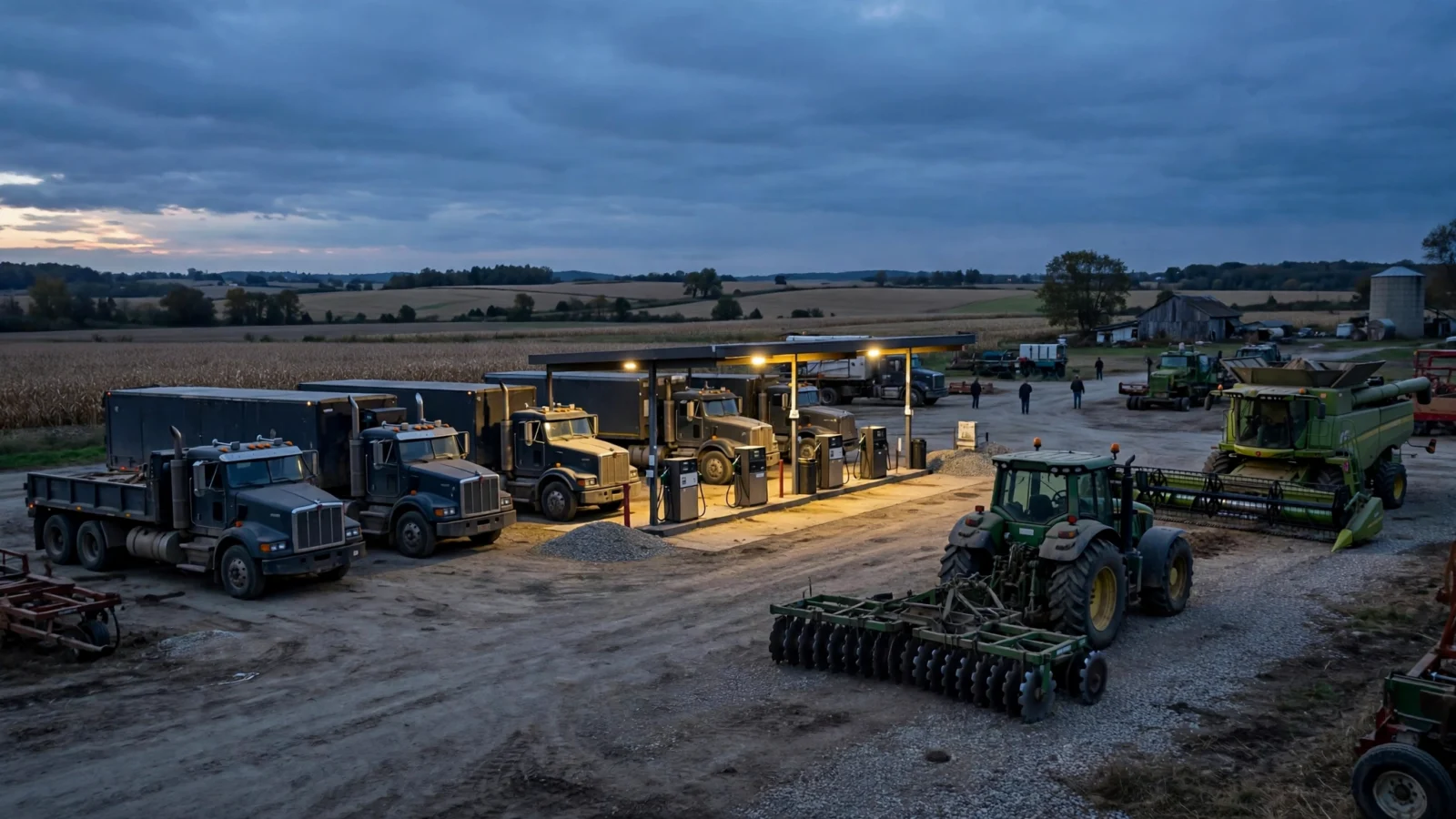
The order defers collection of the excise tax on so-called red-dyed diesel, a fuel normally reserved for off-road uses such as farming and exempt from federal highway taxes. Trump told the rally crowd the change would save truckers money at each fill-up and reduce costs for farmers, and said lower trucking costs could ripple through to grocery and goods prices.
Why diesel prices are in focus
Diesel averaged $6.32 a gallon on Oct. 5, after first rising above $6 on Sept. 11, according to AAA data cited by USA Today. The federal excise tax on diesel is 24.3 cents a gallon, with state taxes averaging another 35.5 cents, according to the U.S. Energy Information Administration. Federal diesel taxes fund the Highway Trust Fund for roads and transit.
USA Today reported that the order follows European governments agreeing on Oct. 2 to release 100 million barrels of diesel and crude from reserves. Trump had earlier floated a temporary ban on U.S. diesel exports, then said on Oct. 2 that the option was not under serious consideration.
Analysts urge caution on impact
Patrick De Haan, head of petroleum analysis at GasBuddy, said in comments cited by USA Today that action on dyed diesel could help truckers but would do little for farmers who already have access to it, arguing that supply, not taxes, is the core problem. CIBC Private Wealth senior equity trader Rebecca Babin, also cited by USA Today, said reserve releases could offer temporary relief, though released stocks would eventually need to be replenished.
The move comes ahead of the Nov. 3 midterm elections, with fuel costs weighing on household budgets nationwide.
Reporting based on coverage by USA Today.