IMF Chief Urges Global Cooperation on AI and War Risks at Bangkok Annual Meetings
IMF chief Kristalina Georgieva used the Fund's annual meetings in Bangkok to call for international cooperation on AI and conflict risks, as the IMF raised its 2026 global growth forecast to 3.1% and the U.S. countered that American economic momentum was driving global resilience.
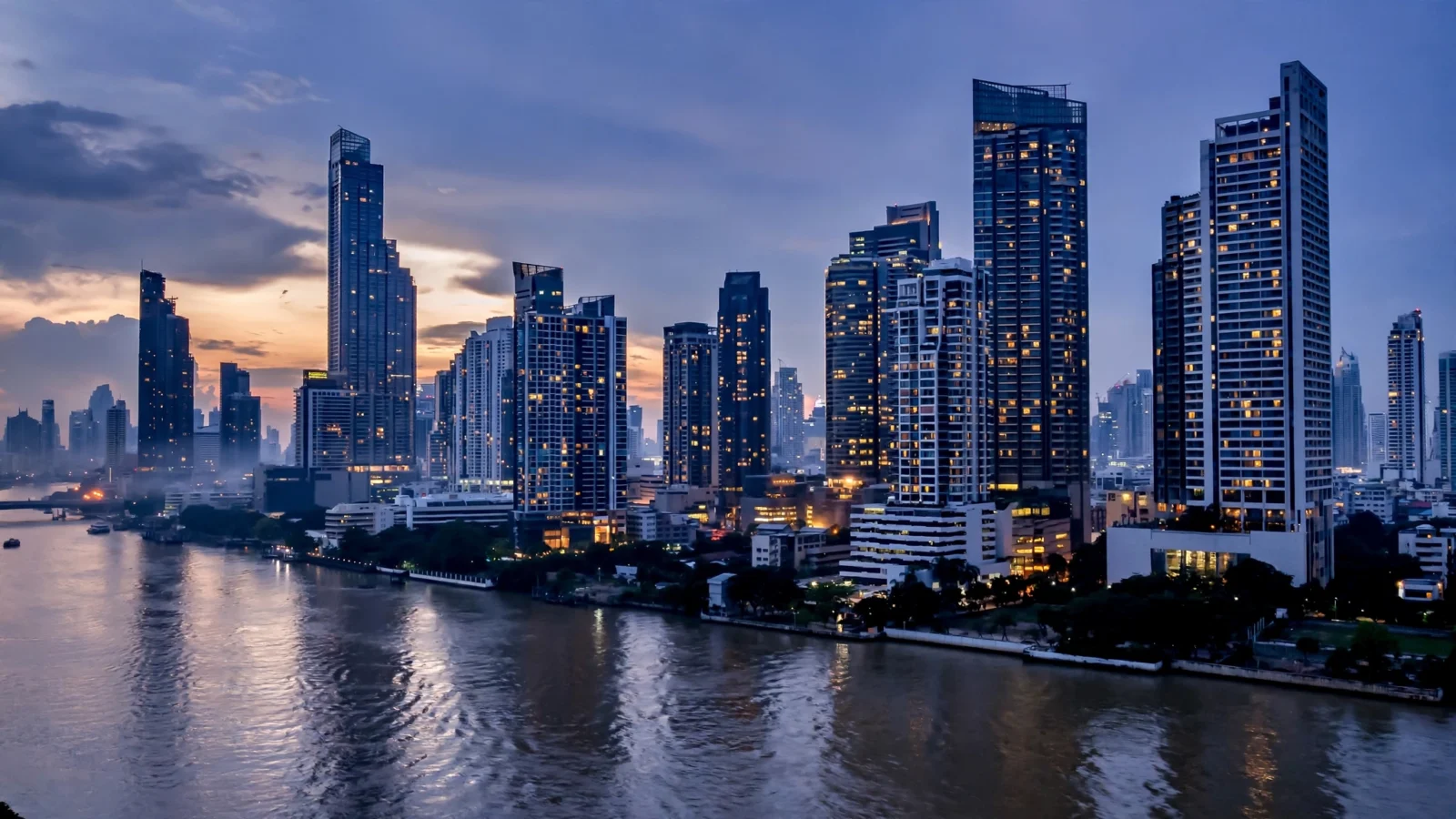
BANGKOK — The head of the International Monetary Fund on Friday appealed to global leaders to cooperate against mounting economic risks, including the fast advance of artificial intelligence and a prolonged war in the Middle East, as the IMF and World Bank wrapped up their annual meetings in Bangkok.
“The need of the hour is for urgent and practical international cooperation,” IMF chief Kristalina Georgieva said at a plenary session, where she said the speed of technological change was adding to challenges that include disruptions to the global trading system, high food and energy prices and lingering wars — all of which, she said, threatened to widen the gap between advanced economies and the world’s poor.
The IMF on Tuesday raised its global growth forecast slightly to 3.1% for 2026, still well below the historical average. It warned of risks to growth and financial stability if the AI investment boom ends, along with rising debt levels and the Middle East conflict. Without the U.S.-Israeli-led war against Iran and Tehran’s closure of the Strait of Hormuz, which set off a large energy shock, the Fund said it would have expected AI to fuel much stronger growth.
Washington pushes back
U.S. Treasury Under Secretary Erin Browne countered the warnings in a call with reporters, pointing to record highs on the U.S. stock market, strong U.S. economic output and improvements in Japan’s economy. “The global economy has demonstrated significant resilience with strong US growth helping to support broader economic and financial stability,” she said.
Browne said the IMF should give equal weight to “opportunities for positive economic shocks, particularly those driven by American innovation and super intelligence, energy abundance, and productivity-enhancing reforms,” and credited President Donald Trump’s tax, trade, energy and deregulation policies with paving the way for stronger investment and growth.
Markets flash warning signs
Georgieva pointed to bond markets as evidence the risks are real: U.S., German and Japanese 10-year sovereign yields have reached their highest levels in decades. She said she spent sleepless nights worrying about how to regulate AI and keep poorer countries from being left behind by its rapid development.
The meetings capped a rough week for markets. South Korean shares posted their biggest weekly fall in 18 years as investors questioned the AI boom, Japan’s market lost 5.4% over the week, and Indonesian stocks fell 11.6% on Friday — their steepest one-day drop in 28 years — after index provider MSCI stripped the market of emerging-market status.
Philippines central bank governor Eli Remolona told an IMF panel earlier in the week that he was concerned Asia had “not learned the lessons” of its destructive late-1990s financial crisis, warning against the kind of unchecked capital inflows that preceded it.
IMF strategy chief Christian Mummsen said demand for the Fund’s low-interest lending to low-income countries had quadrupled since the COVID pandemic and was expected to stay strong, with about 60% of IMF financing since COVID going to low-income countries. Barbados this week joined a group of countries calling for an international panel on inequality, citing geopolitical tensions, climate change and rapid technological advances.
Reporting based on coverage by Reuters.