Revita Procedure Cut Weight Regain After Stopping GLP-1 Drugs in Pivotal Trial
Fractyl Health's one-time endoscopic Revita procedure met its six-month goal in the REMAIN-1 trial, with patients retaining 80% of their weight loss after stopping tirzepatide. The company plans an FDA filing late this year.

Fractyl Health’s one-time endoscopic procedure cut weight regain after patients stopped GLP-1 drugs and met the first of two primary goals in a pivotal trial, the company reported Friday.
In the REMAIN-1 pivotal cohort, 308 adults with obesity first lost weight on tirzepatide, then stopped the drug and were randomized two-to-one to a single Revita procedure or a sham endoscopic procedure, according to the company. At six months, Revita patients had regained a least-squares mean of 5.1% of body weight, compared with 8.2% for sham, a highly statistically significant difference (p=0.0023), the company said.

Revita patients retained about 80% of the weight they had lost on the GLP-1 drug, versus 67% in the sham group. In a post hoc analysis, 32% of Revita patients were weight stable or continued losing weight, defined as less than 2% regain, compared with 18% of sham patients.
Longer ablation, less regain
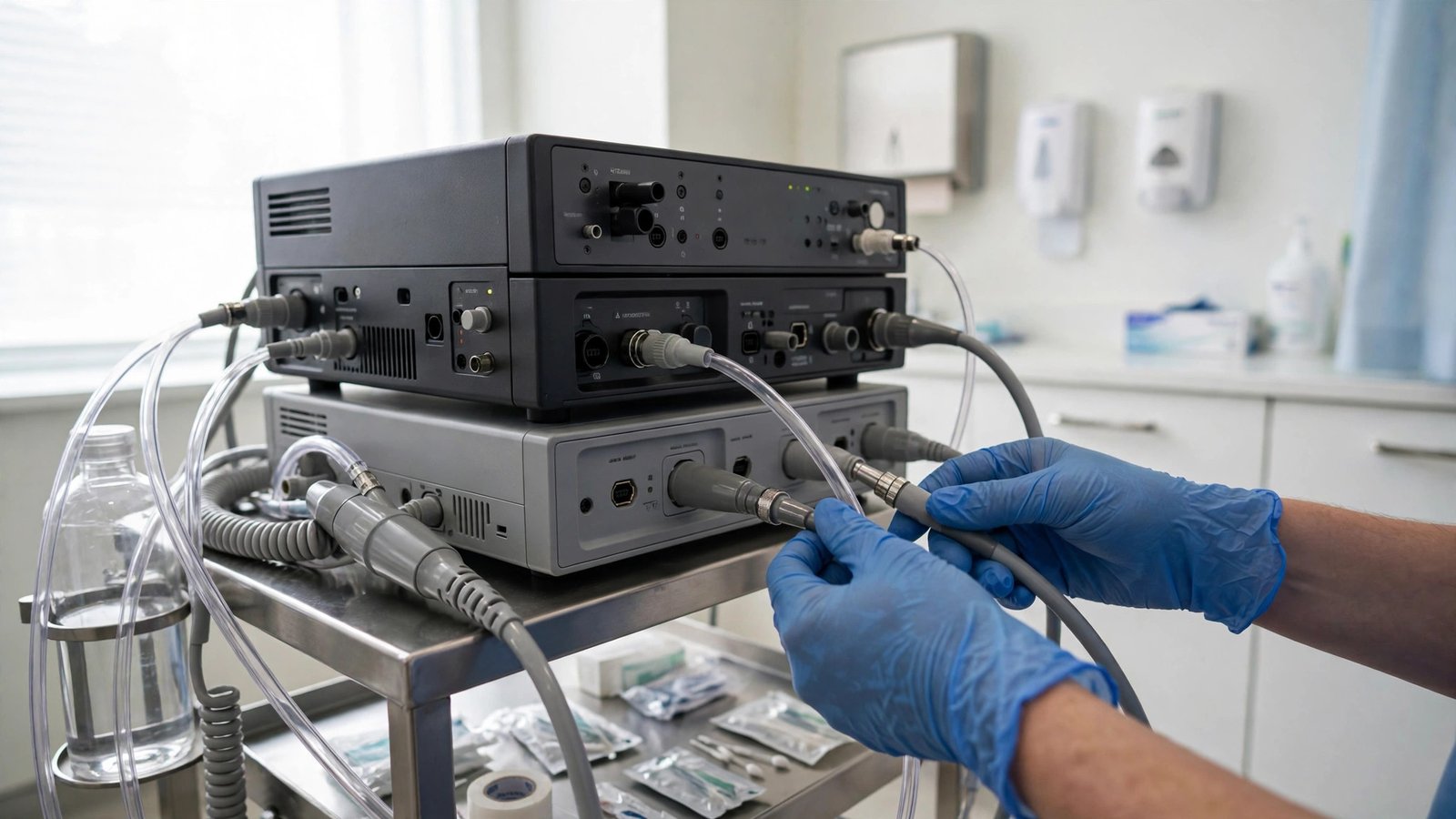
Revita, short for duodenal mucosal resurfacing, remodels the duodenal lining through an endoscope. According to Fractyl, the goal is to restore nutrient sensing and signaling disrupted by chronic metabolic disease.
A post hoc breakdown suggested the effect depends on how much of the duodenum is treated. Patients who received 20 centimeters or more of ablation regained 3.8% of body weight, a 53% reduction versus sham, the company said. Those with 12 to 18 centimeters regained 4.7%, a 43% reduction. The company said the gap between Revita and sham widened at each check and nearly doubled between months three and six.
The randomized, double-blind study was conducted at more than 30 U.S. sites and enrolled adults with a body-mass index of 30 to 45 who had no type 2 diabetes and no prior GLP-1 use, according to HCPLive. As of the Sept. 24 data cutoff, investigators saw no device- or procedure-related serious adverse events, no deaths, and no unanticipated device effects. Most related side effects were mild and tied to the procedure itself, with 94% occurring within seven days.
What comes next
The second primary goal is a 12-month measure: whether more than half of Revita patients keep at least 5% off their pre-tirzepatide weight, an FDA-mandated performance goal. Fractyl expects that readout in the first quarter of 2027.
The company said it plans to file a De Novo marketing application with the Food and Drug Administration late this year. A billing code for the procedure takes effect Jan. 1, 2027, and Fractyl is targeting a U.S. launch in early 2028. Revita remains investigational in the United States and holds FDA Breakthrough Device designation for post-GLP-1 weight maintenance.
The trial used tirzepatide during its run-in phase, the same drug class covered in our comparison of Mounjaro and Ozempic. “Every day, patients in our clinics who have done well on a GLP-1 ask the same question: ‘Do I have to stay on this forever?'” said Adrian Dan, MD, a REMAIN-1 investigator and medical director of the Weight Management Institute at Summa Health.

Reporting based on coverage by HCPLive and Fractyl Health.