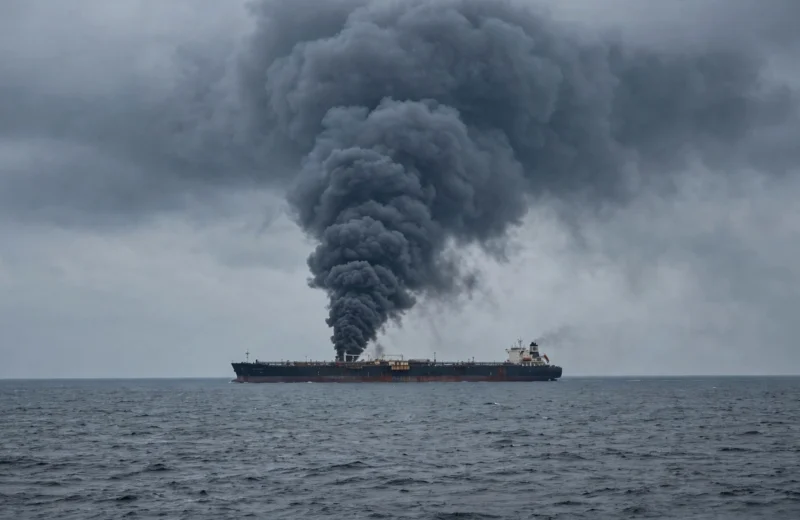
Trump Waives New Russia Sanctions and Tariffs Days Before They Were Due to Take Effect
President Donald Trump signed an executive order on Oct. 16 waiving most new Russia sanctions and tariffs under the Lindsey O. Graham Act, certifying to Congress that the waiver is in the national interest.
WASHINGTON – President Donald Trump on Friday waived the new Russia-related sanctions and tariffs that were about to take effect under a law he signed last month, including duties on the country’s goods and penalties for buying its oil and gas, Reuters reported.
In an executive order released by the White House on Friday, Trump said the waiver was in “the national interests of the United States.” The order says he sent Congress a written certification that the waiver is in the national interest, as the statute requires.

The law at the center of the decision is the Lindsey O. Graham Sanctioning Russia and Iran Act of 2026, which Trump signed in mid-September. It was designed to raise pressure on Russia over its invasion of Ukraine, which began in 2022. Its main backer in Congress was the late Sen. Lindsey Graham, a South Carolina Republican.
Among other provisions, the legislation called for tariffs of up to 100% within 30 days on all goods brought into the U.S. from the five largest importers of Russian crude oil or gas, as well as on any country that knowingly bought oil or gas 30 days after the law was enacted or ranked among the top five countries helping Russia evade sanctions.
Waiver stands until further action
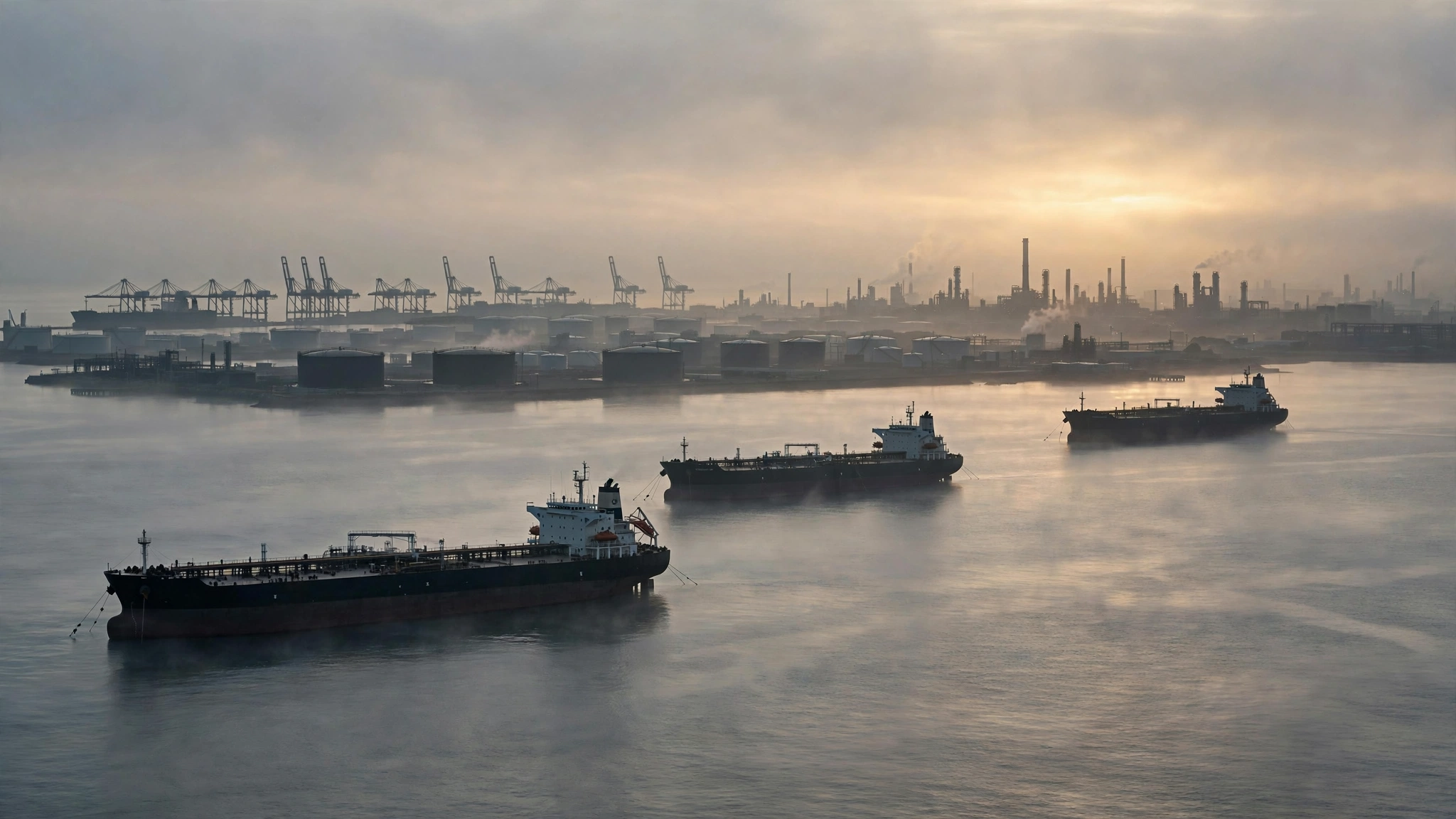
The order says the waiver will remain in effect until Trump or his top officials determine that “further action is appropriate.” Countries such as China and India, among the biggest buyers of Russian oil, had raised concerns about the bill. Beijing said it “consistently opposed long-arm jurisdiction that lacks a basis in international law,” while India warned Washington that new tariffs could affect bilateral ties, according to Reuters.
Reactions at home and abroad
Rep. Don Beyer, a Virginia Democrat, condemned the waiver. “Trump’s latest surrender to Putin again betrays our Ukrainian partners and defies clear congressional intent of legislation designed to punish Russia for its illegal war of aggression,” Beyer said in a statement.
Trump had also faced criticism from several U.S. senators, including some Republicans, over a recent diesel arrangement with Russia under which Trump agreed to lift sanctions on Russian exports while Russia agreed to supply diesel to world markets to lower fuel prices. Lawmakers who criticized the arrangement said it would help fund Russia’s war effort.
Russia welcomed the waiver. Investment envoy Kirill Dmitriev called it “a truly historic moment” in a post on X, saying the legislation could have effectively ended all economic cooperation between Russia and the United States.
The waiver comes as Trump has been warming toward Moscow while publicly criticizing Ukrainian President Volodymyr Zelenskiy, including suggesting that Kyiv needs a new leader, Reuters reported. Analysts have said the new measures could have risked raising oil prices further as Americans already face higher costs.
Reporting based on coverage by Reuters and the White House executive order.