CDC Sends ‘Disease Detective’ to Pennsylvania as U.S. Measles Cases Reach 4,410
Pennsylvania asked the CDC for federal help after its measles total passed 1,200 with five confirmed deaths. The agency is sending a field investigator from its Epidemic Intelligence Service as the national count grew by 330 cases in a week.
The Centers for Disease Control and Prevention is sending a “disease detective” to Pennsylvania as the country’s measles outbreak keeps growing, answering a formal state request for federal help in a state that now accounts for more than a quarter of the national caseload.
In a Friday update, the CDC said the national count for 2026 had reached 4,410 confirmed cases, up 330 in a week, with infections reported in 45 states and Washington, D.C., according to ABC News. Pennsylvania’s health department put the state’s total at 1,260 infections, an increase of 38 since its Wednesday report, along with 238 hospitalizations and five confirmed measles-associated deaths, according to 28/22 News in northeastern Pennsylvania.
Epi-Aid investigator to join state teams
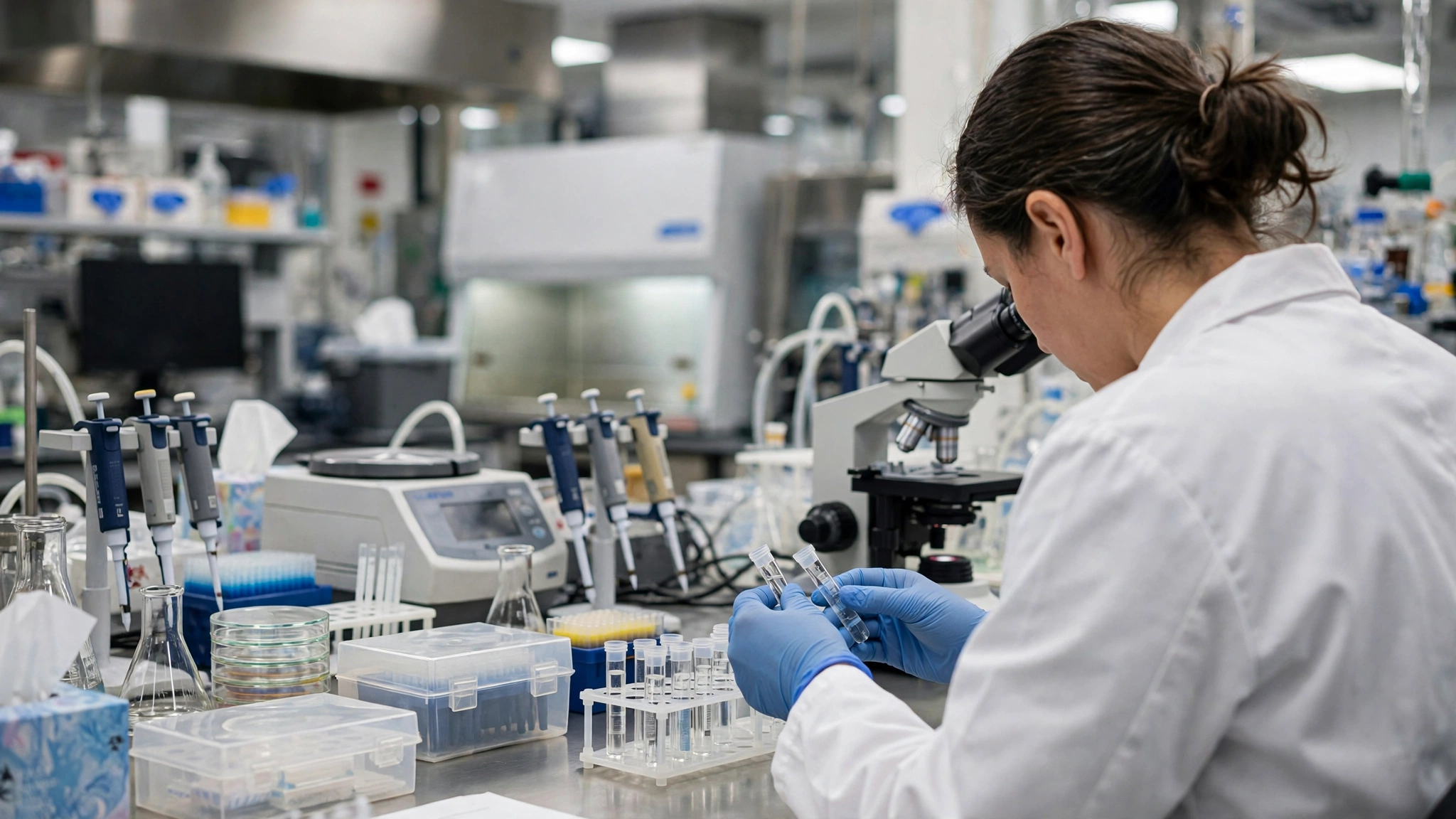
Pennsylvania formally asked the CDC for help through the agency’s Epi-Aid program, and the CDC said it would “support the state’s identified needs and strengthen its response efforts on the ground,” a spokesperson told ABC News. The federal deployment is a scientist from the Epidemic Intelligence Service, the CDC’s corps of field investigators. An Epi-Aid is a rapid, short-term federal investigation of an urgent public health problem, supplying extra manpower and epidemiologic capacity.
Health Secretary Robert F. Kennedy Jr., speaking Thursday at an unrelated event in Virginia, said Pennsylvania officials had earlier told the department they “didn’t want help from the Trump administration” but have since asked for it. “I’m confident I will bring that outbreak to a quick close,” he said, according to ABC News. Kennedy attributed the spread to people who went unvaccinated during the COVID-19 pandemic. The Pennsylvania health department did not immediately respond to ABC News’ request for comment on his remarks.
Vaccination gaps behind the spread
About 96 percent of this year’s cases were among people who were unvaccinated or whose vaccination status is unknown, according to the CDC. Two percent had received one dose of the measles, mumps and rubella (MMR) vaccine and two percent had received both recommended doses. The agency says one dose is 93 percent effective and two doses are 97 percent effective. The recommended schedule calls for the first dose at 12 to 15 months and the second between ages 4 and 6.
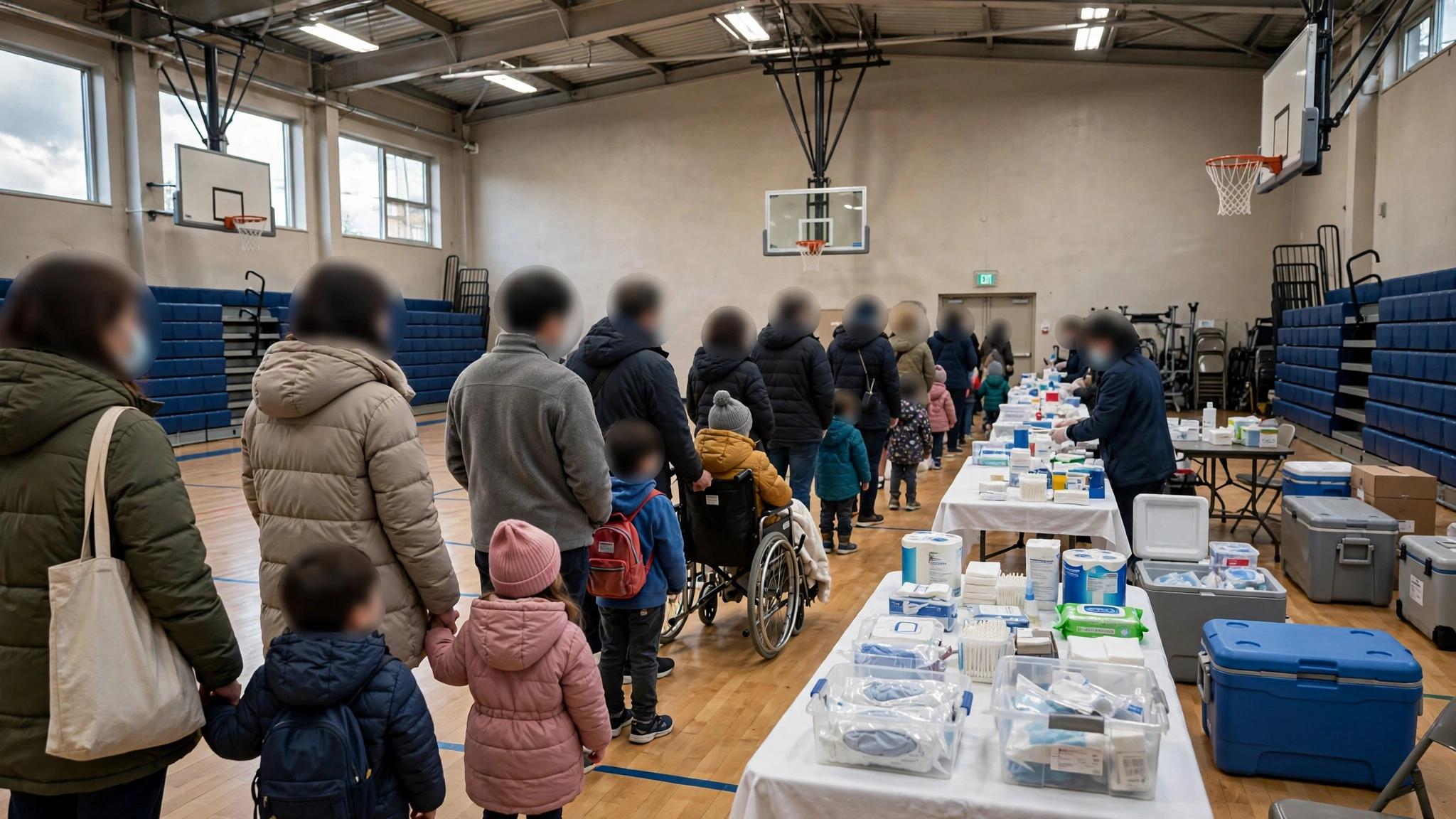
Vaccination coverage among U.S. kindergartners fell to 92.4 percent in the 2025-26 school year, down from 95.2 percent in 2019-20 before the pandemic. In response to the Pennsylvania outbreak, New York Gov. Kathy Hochul declared a statewide disaster emergency on Oct. 5, effective through Nov. 4, which lets more health care workers administer vaccines and gives nurses greater flexibility to order measles testing.
Reporting based on coverage by ABC News and 28/22 News (WBRE/WYOU).