China’s Economy Grows 4.5% in Third Quarter as Exports Offset Weak Consumers
China's economy grew 4.5% in the third quarter, beating forecasts as booming exports offset weak consumer spending, though analysts say the export-heavy model is widening structural imbalances.
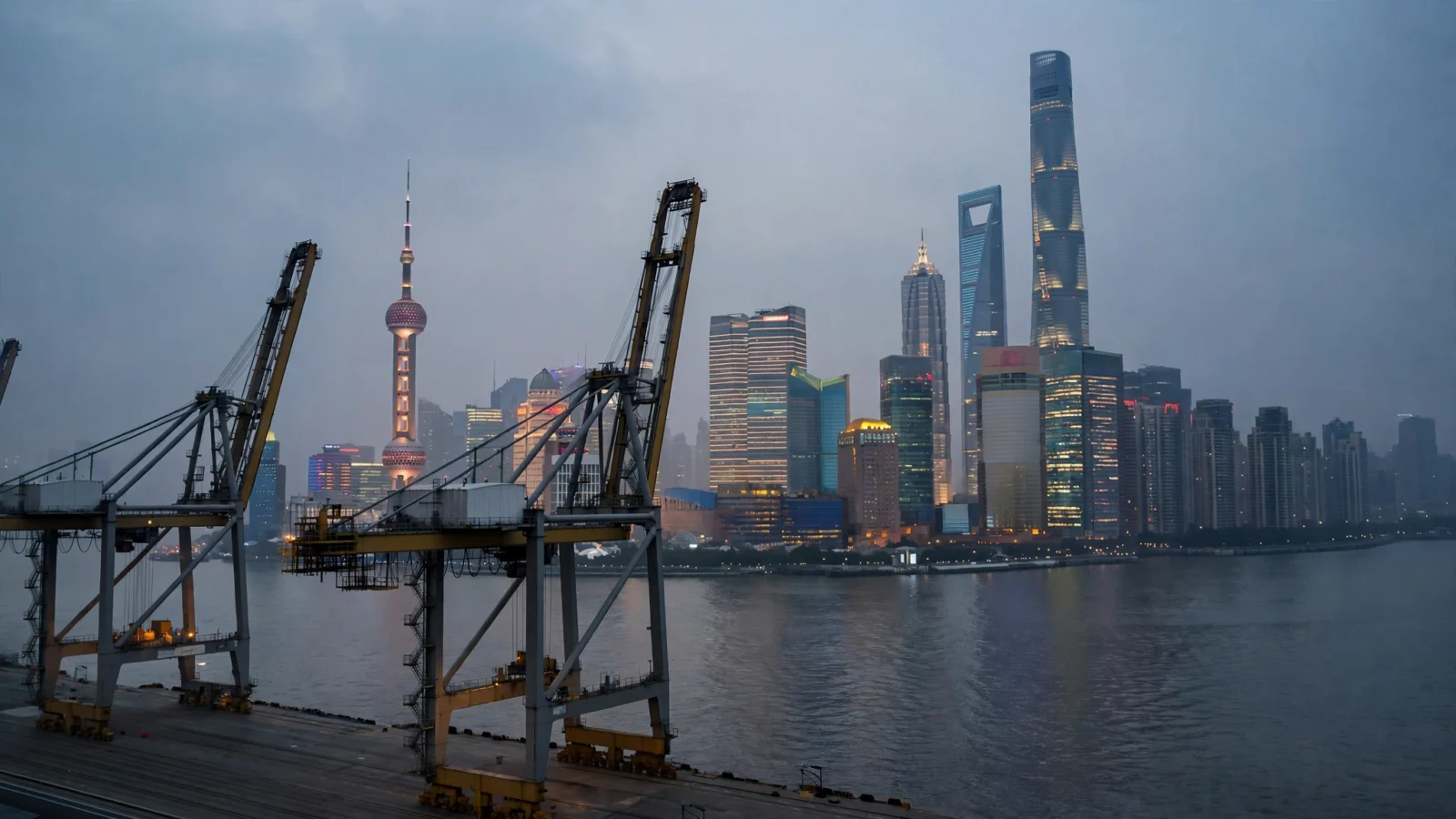
BEIJING — China’s economy grew 4.5% in the third quarter from a year earlier, official data showed Monday, topping economists’ forecasts as surging exports made up for consumers who kept their wallets shut.
The pace beat a consensus forecast of 4.4% and picked up from 4.3% in the second quarter, lifting growth off three-year lows. Analysts now expect Beijing to hit its 2026 target of 4.5% to 5.0% growth without additional stimulus, helped by a strong start to the year and modest fiscal and monetary support in recent months.
Exports carry the quarter

Exports have surged by more than a third, and China is on track to top last year’s $1.2 trillion trade surplus despite rising trade tensions. Goods shipped abroad range from chicken meat and beauty products to electric cars and prefabricated homes. September’s trade surpluses with Germany and France each jumped more than 200% from a year earlier.
Some manufacturers that had moved production abroad are coming back, as U.S. tariffs on Chinese goods are now closer to those on rivals such as Vietnam.
The European Union and China have agreed to limit hybrid car exports to the bloc, but Brussels is planning further curbs as the surplus figures land.
“High-tech manufacturing, chip output, new energy vehicles, and export delivery values reflect a competitive industrial upgrading that is real and accelerating,” ITC Markets analyst Andy Ji said.
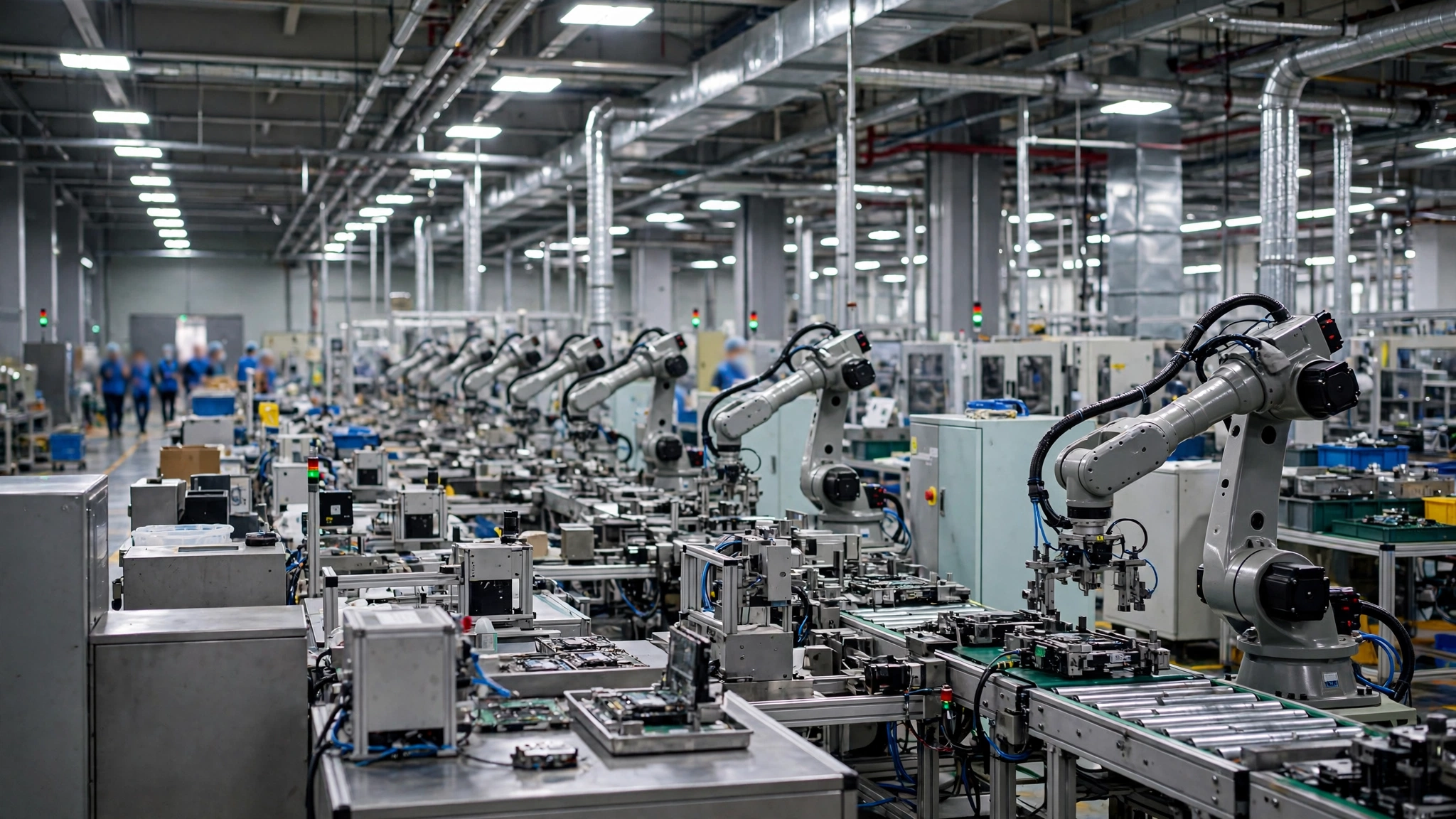
Industrial output rose 5.5% in September. Statistics bureau official Mao Shengyong said growth of 4.6% over the first nine months was “hard won,” and acknowledged “unbalanced and inadequate development.” High-end manufacturing, the digital economy and modern services contributed more than 40% of the growth in that period, he said.
Consumers hold back
Retail sales rose 1.1% in September, the fastest in six months, but off a low base — and far behind factory output. The property market remained in a downturn, five years into a slide that has eaten away at household wealth. Fixed-asset investment fell 7.2% in January through September, a drop the government blamed in part on tight local government finances.
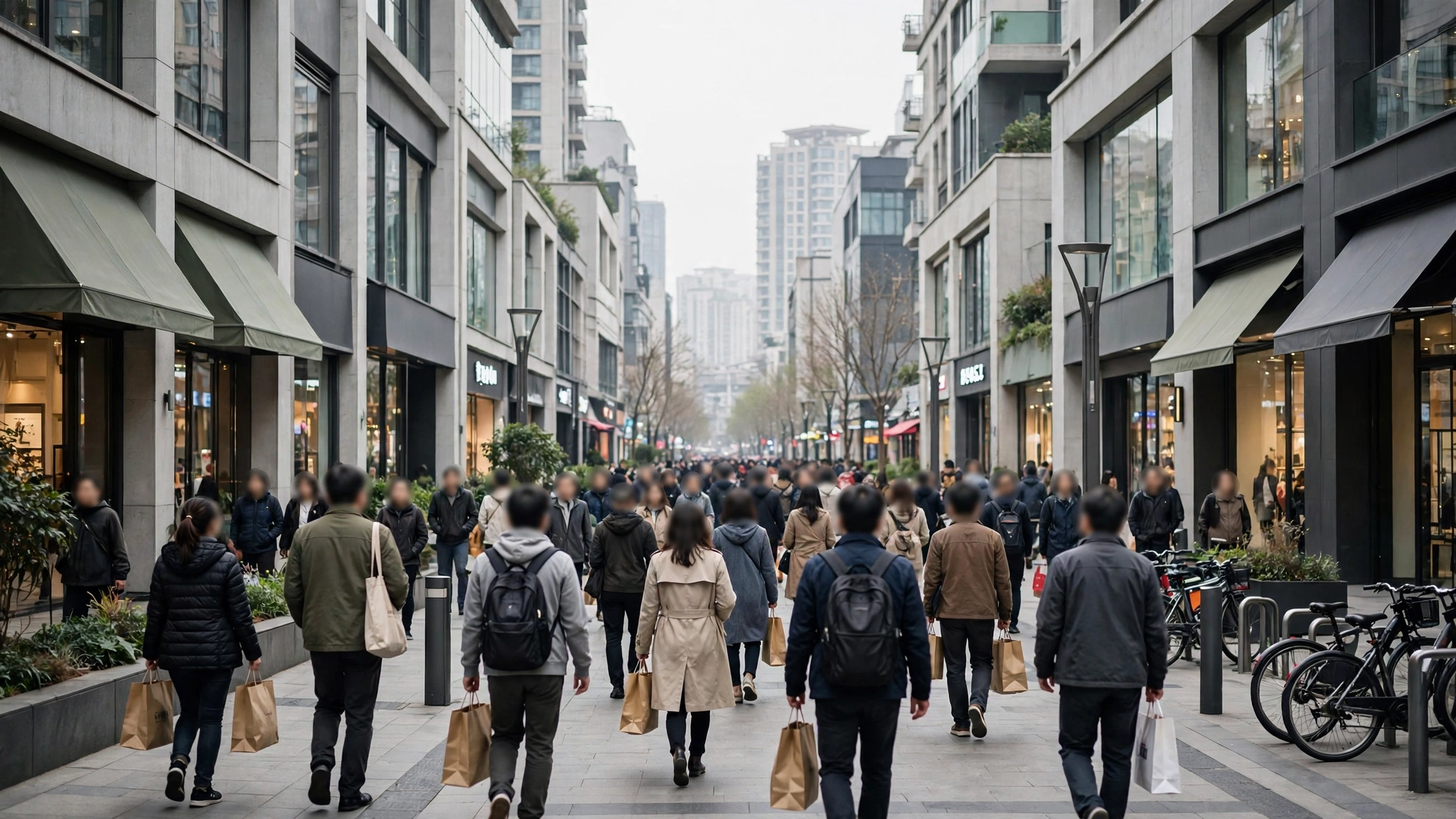
Unemployment edged down to 5.2% in September, though economists say the number is flattered by gig work: anyone working even one hour a week counts as employed. Spending per trip during October’s week-long national holiday fell to four-year lows.
The strain shows in daily life. Zhang Chao, who manages Southeast Asia operations for a motorbike headlight maker, said his company had nearly stopped selling in China. “It’s too competitive and there’s no profit,” he said. In Ningbo, a restaurant owner surnamed Dai said diners now bring their own wine to save money. “Everyone is cutting jobs these days,” Dai said.
Analysts say the imbalance is the real story. “This year’s growth figures highlight a deeper rebalancing challenge for the medium term,” ANZ analysts wrote in a note. Societe Generale economist Michelle Lam said that “without a decisive policy shift toward supporting household incomes and consumption, China is likely to remain trapped in a prolonged period of low inflation and sub-par growth.”
The yuan firmed to its strongest level against the dollar since July 2022 on Monday. Beijing has rolled out fresh support measures since late September, including cheaper credit for infrastructure and technology, modest mortgage subsidies and more funds for local governments. Economists say the measures should be enough to remove fears of missing the growth target, but that they remain tilted toward the supply side.
Reporting based on coverage by Reuters.