MSCI Warns It May Cut Indonesia From Its Indexes After Record Jakarta Selloff
Jakarta's benchmark stock index fell 11.6% on Friday, its worst one-day drop in nearly three decades, after MSCI warned it may remove Indonesia from its emerging markets indexes. Goldman Sachs estimates the move could trigger $5.6 billion in passive outflows.

Indonesia’s markets face a rough week after index provider MSCI warned it may expel the country from some of its indexes next year, sparking a selloff that has made Jakarta’s benchmark the worst-performing stock market in the world this year.
The Jakarta Composite Index fell 11.6% on Friday, its largest one-day drop in nearly three decades, according to Reuters. The index is now down 40% for the year. MSCI said it is considering shifting Indonesia from emerging-market status to “standalone” status, a category that would group it with Lebanon and Zimbabwe and risk cutting Southeast Asia’s largest economy off from international capital.

Years of warnings, little progress
MSCI had already threatened in January to downgrade Indonesia to “frontier” status, citing opacity in ownership and trading behavior. On Friday it said the lack of progress in fixing those problems meant even a downgrade would not reflect the severity of the issues, Reuters reported.
An Indonesian regulator responded Friday by unveiling sanctions against people linked to alleged trading manipulation in the shares of three companies, but investors were unmoved. Foreign investors have sold a net $4.88 billion in Indonesian stocks this year, on pace for the largest annual outflow in at least 16 years.
The stakes beyond stocks
Goldman Sachs strategists estimated a full MSCI removal could trigger $5.6 billion in passive outflows, with active funds holding more than $8 billion in benchmarked positions that could also sell. “The burden of proof has shifted: avoiding reclassification will require clear evidence that the announced reforms have been consistently implemented and materially improved market functioning,” the bank’s strategists wrote in a note.

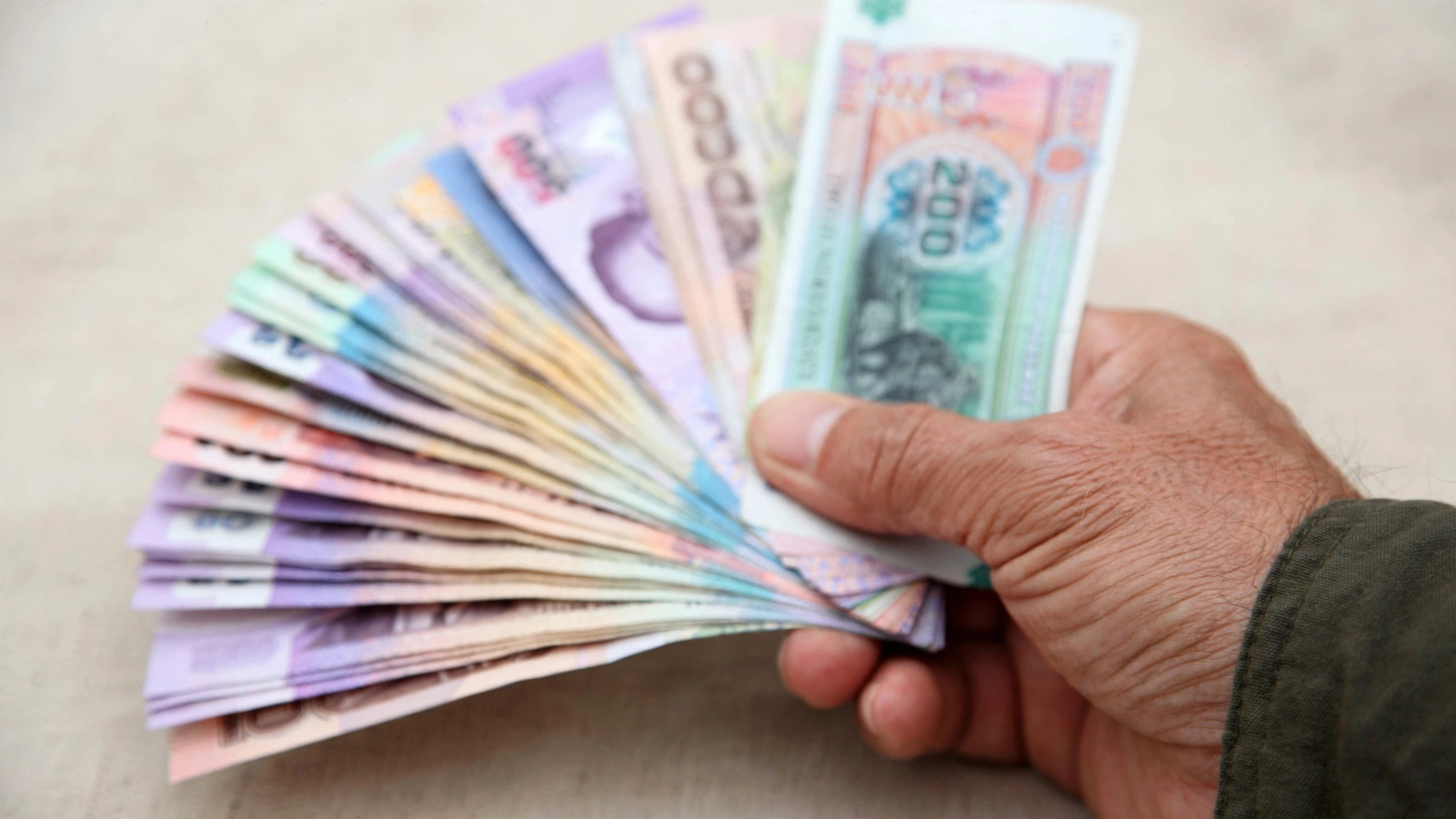
Worries are spreading beyond the roughly $500 billion stock market. The rupiah has weakened to about 18,000 per U.S. dollar, not far from the record low of 18,190 reached in June. “Our bigger concern is not index-related selling itself,” said Gary Tan, a portfolio manager at Allspring Global Investments in Singapore, “but the potential near-term spillover into the rupiah and domestic bond yields, where market dislocation could translate into tighter financial conditions and a more meaningful impact on the real economy.”
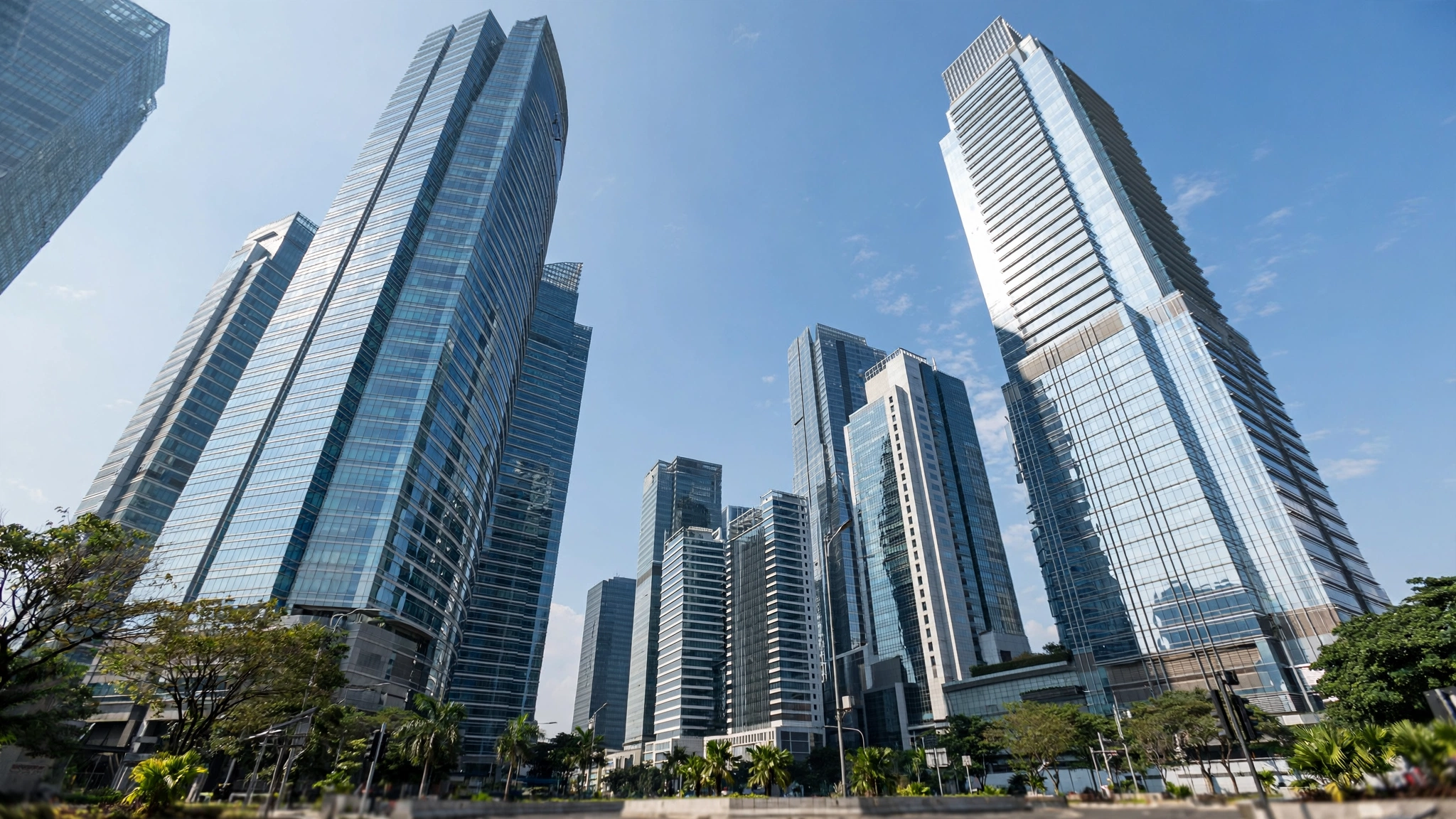
The MSCI warning is the latest setback for President Prabowo Subianto’s government. Moody’s and Fitch cut their outlooks on Indonesia’s sovereign credit rating to negative earlier this year. Aninda Mitra, head of Asia macro and investment strategy at BNY Investments, said foreign exposure to Indonesian stocks has fallen so far that “there may not be much more downside from here,” but added that attracting new capital “will be tougher in this environment.”
Reporting based on coverage by Reuters.