Supreme Court Agrees to Decide Whether Americans Can Legally Distill Liquor at Home
The justices took up Department of Justice v. McNutt on Monday, a dispute over an 1868 federal ban on making distilled spirits in private homes that split two federal appeals courts. A ruling is expected by the end of June.
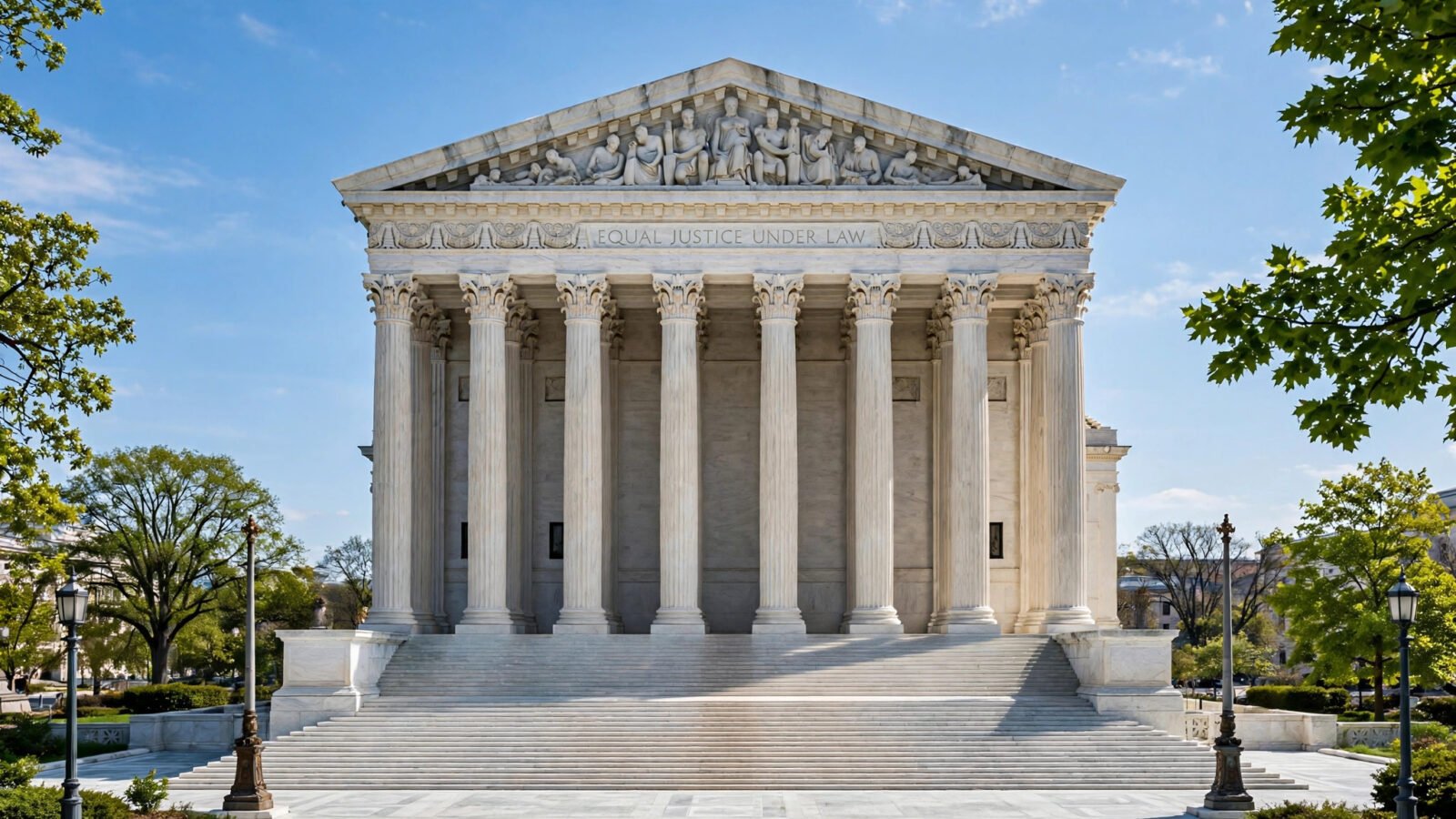
The Supreme Court agreed on Monday to decide whether the federal government can bar Americans from distilling liquor at home, setting up a decision on an 1868 law Congress passed after the Civil War to crack down on tax evasion.
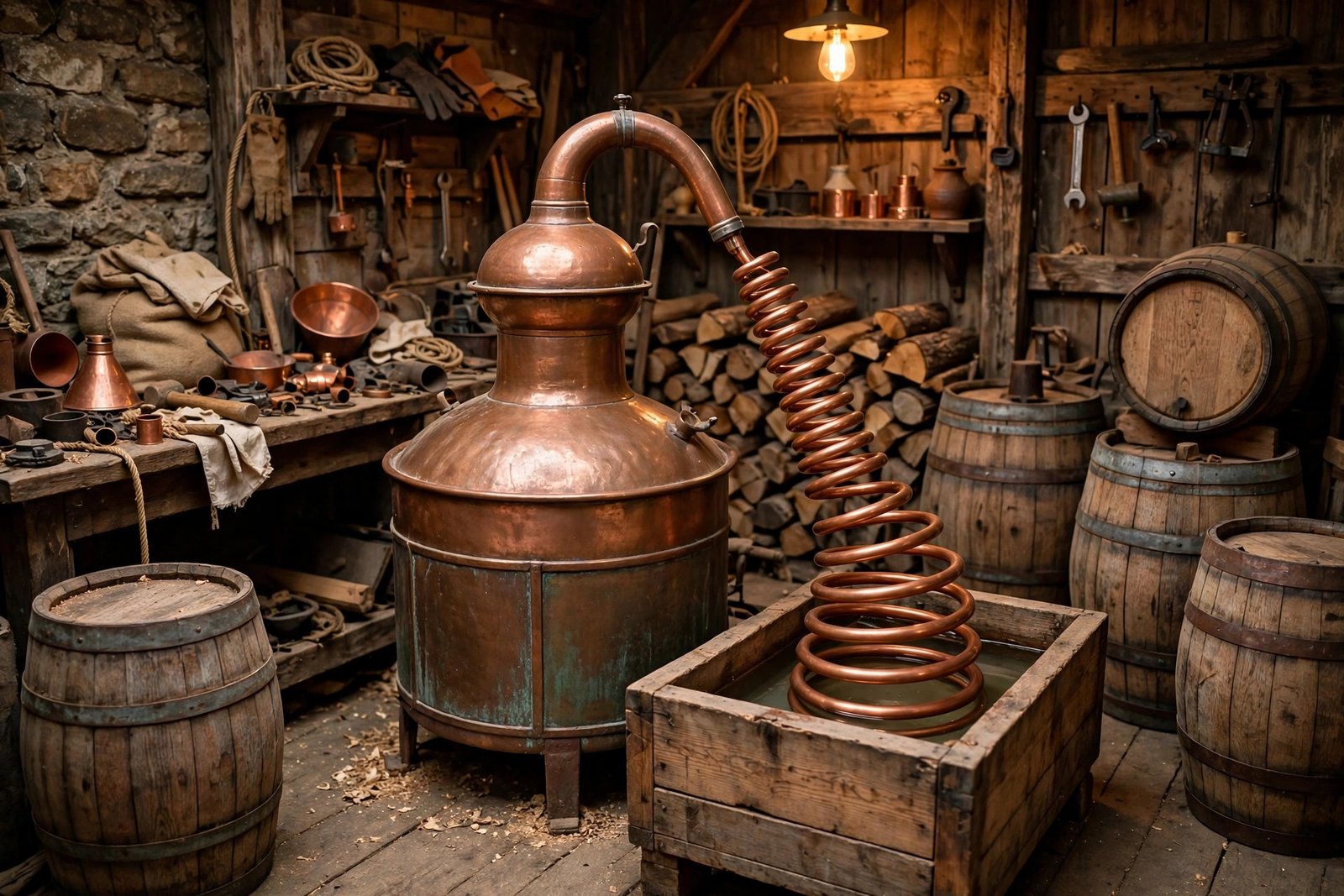
The justices took up the Trump administration’s appeal in Department of Justice v. McNutt. Arguments are expected in the coming months, and the court is expected to issue a ruling by the end of June, according to Reuters.
The law dates to 1868, when Congress moved to protect federal revenue by banning home distilling. The current version of the ban subjects violators to up to five years in prison and a $10,000 fine, Reuters reported.
The dispute pits the administration, which is defending the ban, against challengers who say it reaches beyond what the Constitution allows Congress to do. Attorneys general from 15 Republican-led states, including Ohio, Florida and Idaho, filed a brief backing the challengers and urging the court to resolve the split. “Unlike a good whiskey,” they wrote, “this split will not age well.”
Two appeals courts reached opposite answers
In April, the New Orleans-based 5th U.S. Circuit Court of Appeals struck the ban down, calling it an unnecessary and improper way for Congress to exercise its power to tax. Days later, the Cincinnati-based 6th Circuit upheld the law as a “necessary and proper means” of collecting the federal excise tax on distilled spirits.
The 5th Circuit ruling was a win for the nonprofit Hobby Distillers Association and four of its 1,300 members, who want to distill spirits at home as a hobby or for personal use. It upheld a 2024 ruling by U.S. District Judge Mark Pittman in Fort Worth that bars federal officials from enforcing the ban against the plaintiffs in that case.
The Justice Department told the court the restriction protects revenue. “Congress restricted home distilling 160 years ago in response to an extensive history of evasion of the distilled-spirits tax,” its lawyers wrote, arguing the government has a “substantial interest” in guarding a revenue source that brings in billions of dollars a year. The excise tax on distilled spirits brought in $6 billion in 2024, according to CNN.
A home brewer’s case
Ohio engineer John Ream took up brewing beer at home nearly two decades ago with a kit his wife gave him as a gift. When he tried to move from beer to whiskey, he hit a wall: the 160-year-old federal law made homemade distilled spirits a crime that could cost him jail time and his house, CNN reported. Rather than risk it, he sued.
“Brewing is a nice blend of science and art, and being able to combine different flavors together,” Ream told CNN. He said he had no plans to sell anything he made: “I would like to take the same skills that I’ve learned and try my hand at distilling.”
The justices technically put Ream’s separate appeal on hold. His case followed the 6th Circuit decision that upheld the ban, and it is likely to be sent back to the lower courts after the Justice Department case is decided next year, according to CNN. One of the challengers in Ream’s group received a letter from the Alcohol and Tobacco Tax and Trade Bureau threatening a $500,000 fine.
Ream’s lawyers, who are also involved in the McNutt case, say the tax-evasion rationale does not hold up. “There’s not much in the record that supports their theory that the home distilling prohibition had anything to do with tax evasion,” said Robert Alt, president of the Buckeye Institute, which represents Ream and the other challengers. He described the ban as a “political logroll” from the 1868 legislative fight. Ream’s side also warns that if the government’s reasoning stands, Congress could ban other home activities simply by taxing them and citing evasion.
An industry group urged caution instead. The Distilled Spirits Council said it “appreciates the enthusiasm” of home distillers but warned of the risks. “The distillation process can be quite dangerous, including risk of explosion, burns, fires, and more,” said Courtney Armour, the group’s chief legal officer. She said an improperly made product can cause blindness or death.
Reporting based on coverage by Reuters and CNN.