France to Deploy Soldiers for Saturday Protests After Government Admits Failures in Weekend Riot Response
France will put soldiers on the streets and mount what the prime minister called a "massive" security operation for protests planned Saturday, after the government admitted intelligence failures and tactical errors in its response to rioting that swept several cities on October 17.
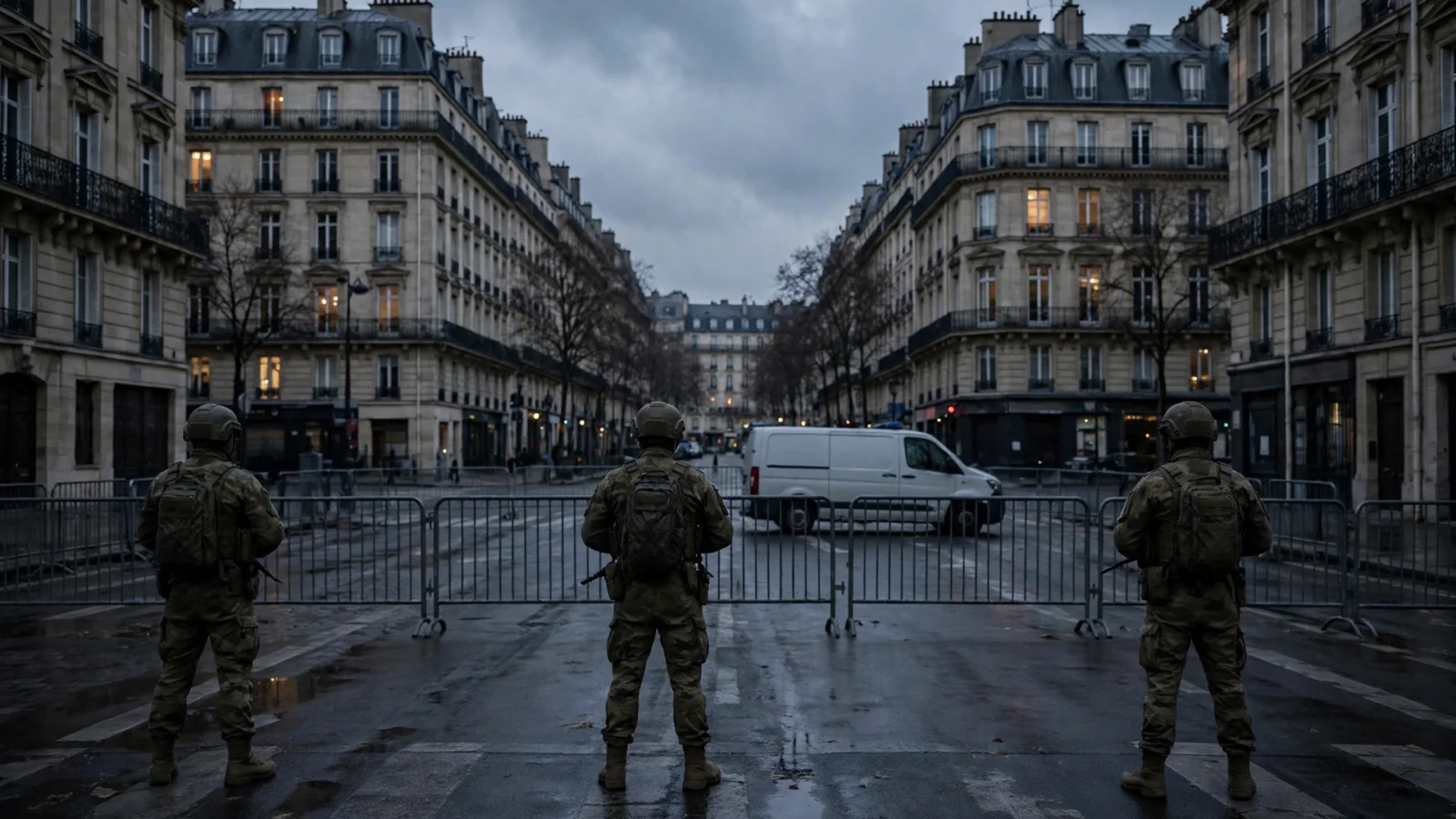
France will deploy soldiers alongside police and mount a “massive” security operation for protests planned Saturday, Prime Minister Sébastien Lecornu said Tuesday, as his government admitted failures in its response to the rioting and looting that swept Paris, Marseille, Lyon and other cities on October 17.
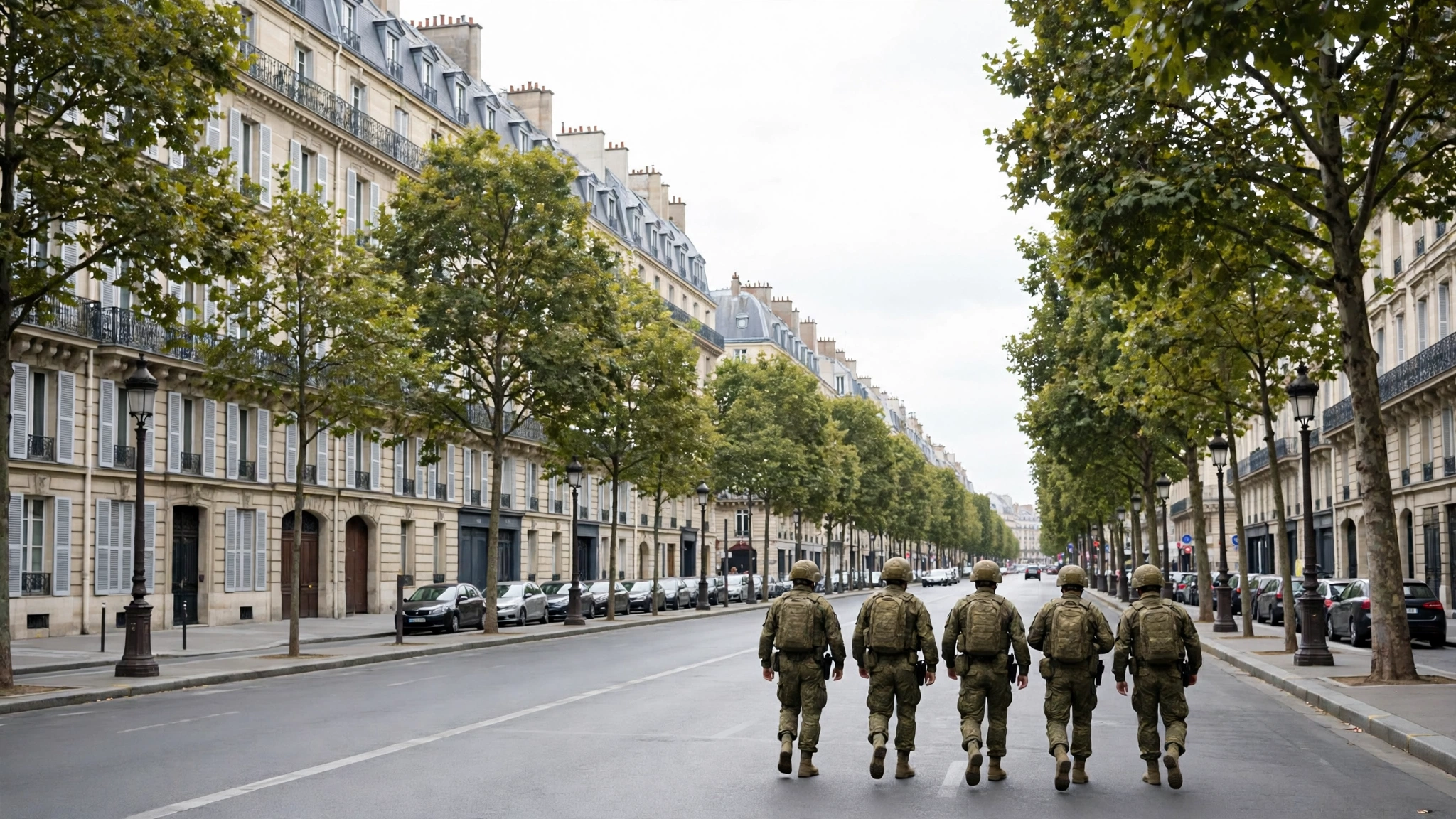
“The deployment next Saturday will be massive,” Lecornu told lawmakers, adding that the immediate priority was to restore order. Interior Minister Laurent Nuñez said the military would be deployed alongside police and promised to overhaul tactics after widespread criticism that city centers had been left vulnerable. Nuñez said soldiers and elite police units would take on “static security” duties, which would free police officers for mobile enforcement.
Lecornu framed the crisis as a choice “between violence and the Republic” and blamed far-left groups for the unrest. Those groups, in turn, have accused the government of underestimating public anger over high living costs and declining public services.
The prime minister acknowledged that the state’s response had fallen short: intelligence failures, police deployments that were too static, and an error in not cancelling planned police leave. A night of relative calm followed the localized curfews imposed in several areas hit by the chaos, and the restrictions were extended into Tuesday night, with some aimed at minors.
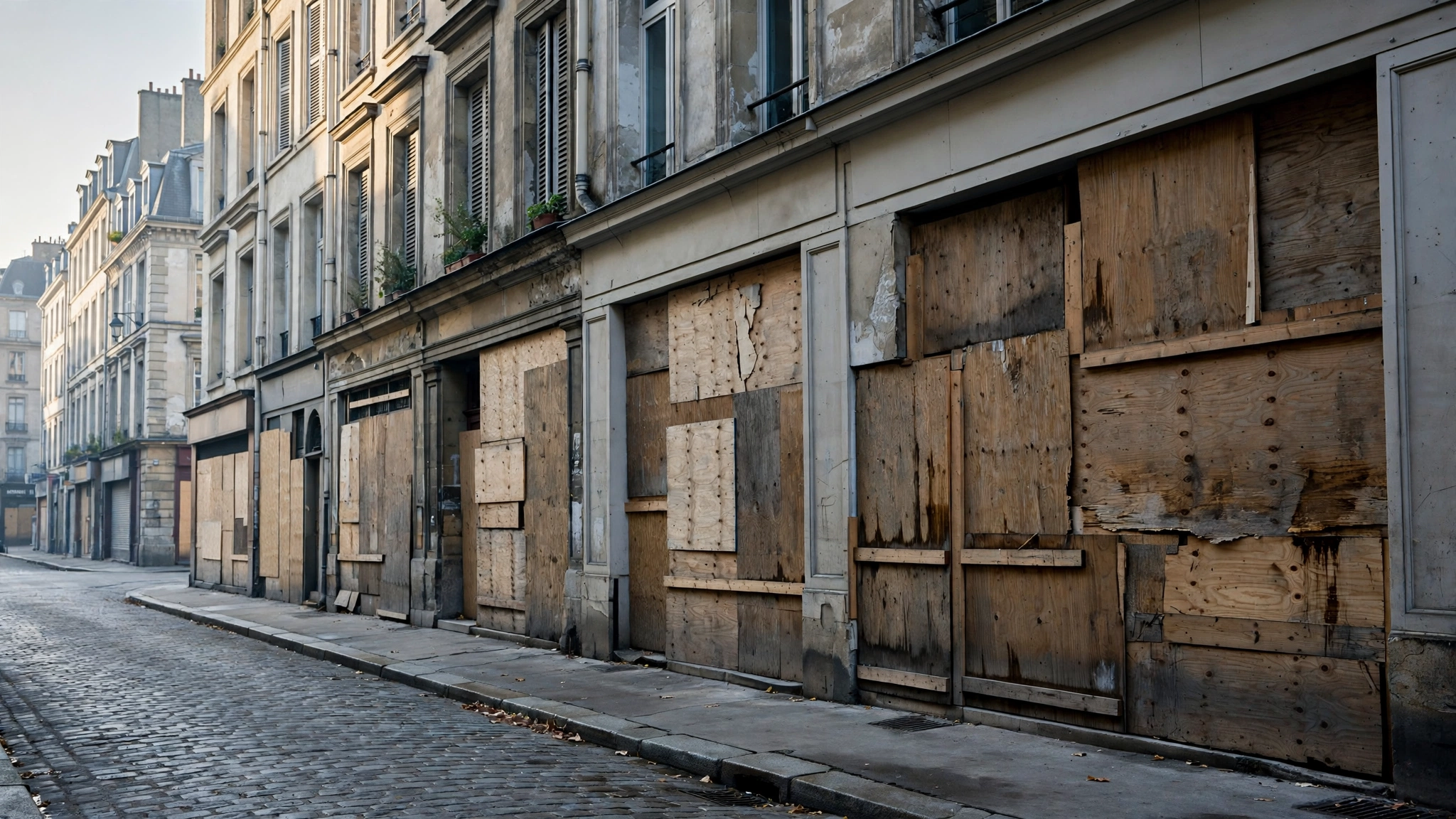
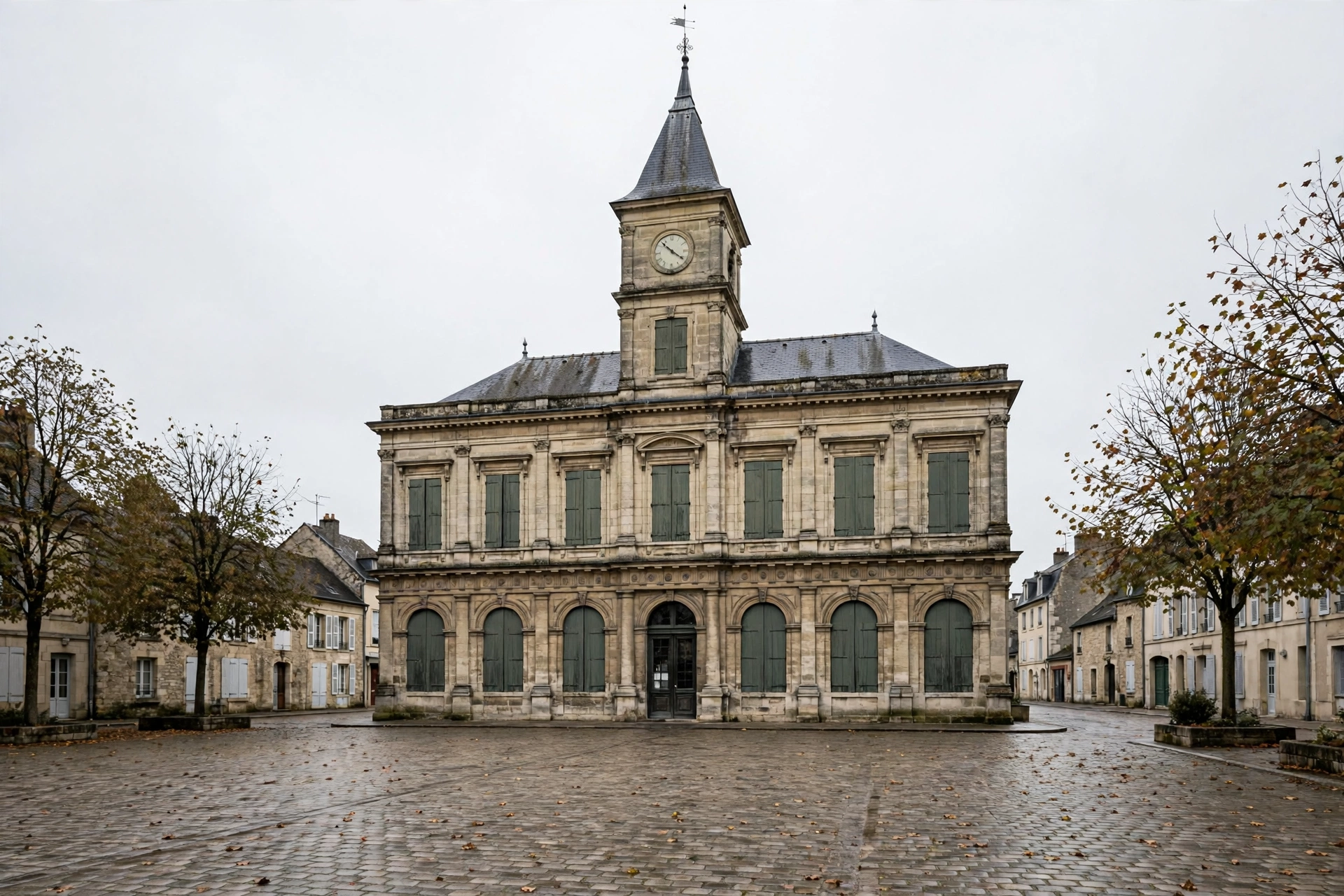
Parliament is setting up a commission of inquiry into the causes of the unrest, and authorities have assigned 200 investigators to identify and track down those involved in the street violence. On Tuesday, police arrested a man suspected of starting the blaze that destroyed a historic town hall in the central city of Limoges during the rioting. Officials said he had been on a security watch list and belonged to an ultra-left group. The Times, citing French media, identified the suspect as 34-year-old Hodei Ciarra Docampo, who lived with his parents in a village about 50 kilometers from Limoges and was on an intelligence service watchlist of terrorist suspects over his radical leftist activism.
Unrest spreads across Europe
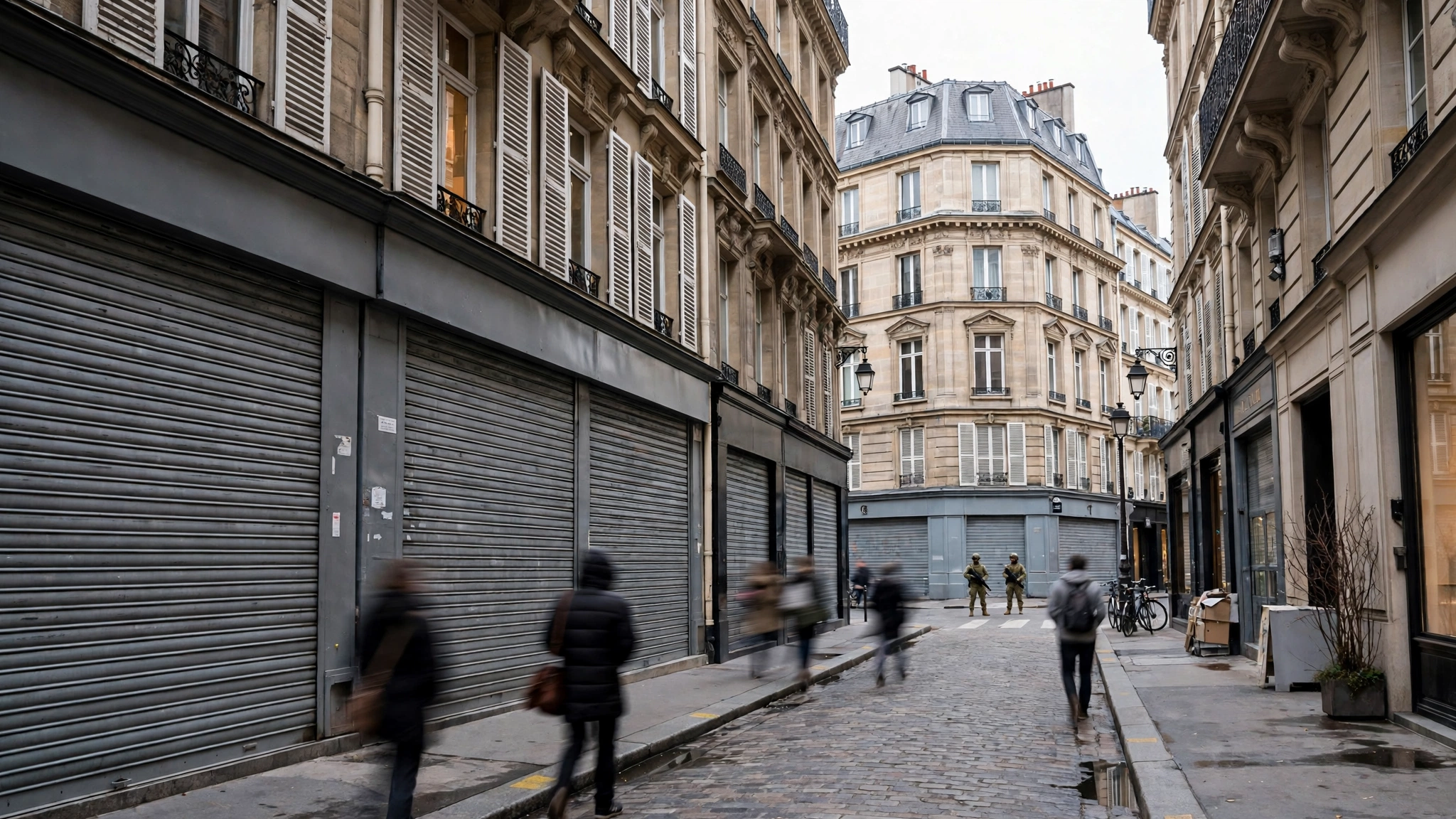
The turmoil is not confined to France. In Italy, Prime Minister Giorgia Meloni announced that 500 soldiers would patrol the streets of Milan until the end of the year after youths rampaged through the city at the weekend, looting shops and causing about a million euros in damage. Her cabinet approved fines for parents of rioting minors and created a new offense of “violent participation in a demonstration,” and magistrates will have greater powers to detain minors, The Times reported. In Albania, protesters were expected to take to the streets of Tirana for a seventh consecutive day against the government of Prime Minister Edi Rama.
Claims of foreign meddling
Iran and Russia are among the states seeking to exacerbate and exploit the French riots to weaken Western democracies, researchers told The Times. David Colon, a history professor at the Sciences Po institute in Paris, said Russia, Iran and Algeria were involved in the “amplification and the exacerbation of the tensions,” adding that Iran had been particularly successful, partly through infiltration of ultra-left groups.
France’s foreign minister, Jean-Noël Barrot, has denounced the interference, saying the high-school demonstrations were “exploited by hostile narratives coming from Russia, China, Iran and the Maga community.” According to the website La Lettre, Barrot received a report from the General Secretariat of Defence and National Security on Iran’s “disinformation actions and cyberattacks” and wanted to make it public, but President Emmanuel Macron refused as the Élysée sought to keep equal distance between Tehran and Washington during the war in Iran. Officials and state-aligned media in Iran, Russia, China and Algeria have refuted the allegations, The Times reported.
France’s main student union, UNEF, has called for further protests on Saturday, pledging on social media to keep pressure on the government over what it calls a deteriorating and underfunded education system. “We carry on,” it said.
Reporting based on coverage by AnewZ and The Times.