Trump waives most new Russia sanctions, drawing criticism from Republican allies
The Trump administration waived most of the new Russia sanctions and tariffs Congress passed last month, saying the move keeps Moscow at the negotiating table. Republican allies who helped pass the law say pressure should be rising, not easing.
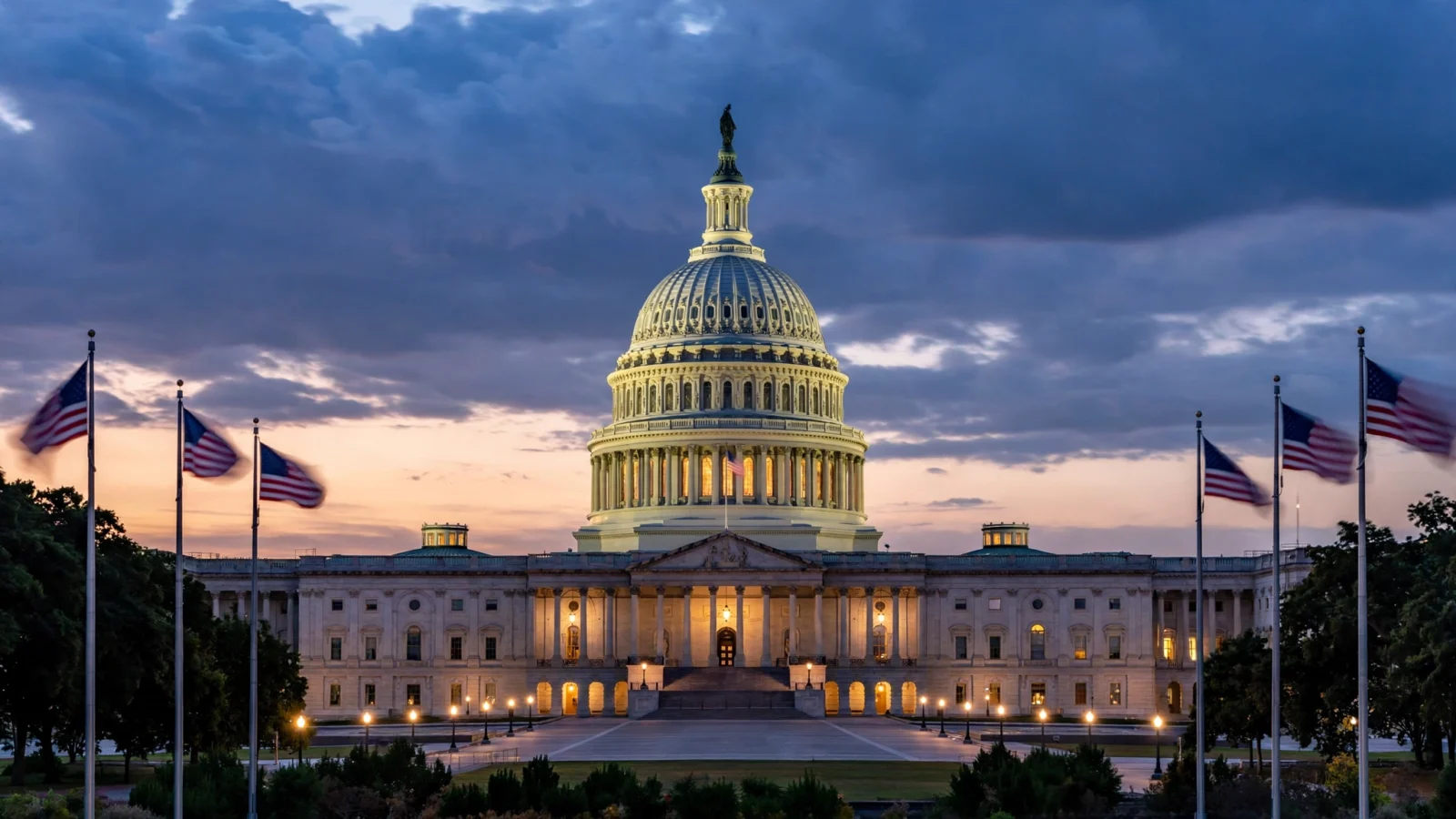
The Trump administration has waived most of the new Russia sanctions and tariffs that Congress enacted last month, while separately easing restrictions on Russian diesel exports, a move one foreign policy analyst called the administration’s biggest effort yet to unwind economic pressure on Moscow.
President Donald Trump is holding back the penalties in hopes that keeping them in reserve will bring Russian President Vladimir Putin to the negotiating table. The decision has drawn criticism from Republican lawmakers who helped pass the measure, the Lindsey O. Graham Sanctioning Russia and Iran Act, which Trump signed into law in September.
“It’s probably the biggest effort that the Trump administration has made to start unwinding the U.S. sanctions architecture that’s been in place against Russia since 2022 or even earlier in some cases,” Hal Brands, a senior fellow at the American Enterprise Institute and a professor at Johns Hopkins, told Fox News Digital.
Republicans push back
Sen. Katie Britt, R-Ala., who played a leading role in passing the legislation and joined Trump in the Oval Office when he signed it last month, said Tuesday that the administration should be increasing pressure on Moscow. “It is my belief that we need to use economic firepower to help drive Putin to the table,” Britt told Semafor. “I believe that Russia is at the darkest point that they’ve been at in this entire war, and now is the time for us to turn up the pressure.”
Sen. Shelley Moore Capito, R-W.Va., said Congress had coordinated the bill’s timing with the White House, which made the waiver particularly surprising. “This was an act of Congress that we had worked with the White House on,” Capito said. “We had timed this to when the president and the White House felt it was a good time to move forward with this, where it could be effective.”
Others were more direct. Sen. Thom Tillis, R-N.C., wrote on X that the move was “beyond irresponsible,” adding: “What part of enforcing a law passed 86-11 by the Senate does the President and his advisors not understand?” Sen. Darline Graham, R-S.C., the lead sponsor of the legislation, said she would “choose to keep the pressure on Russia” because “I don’t trust Putin and I don’t trust Russia.”
The administration’s case
Trump has defended the waiver as a negotiating move. “My decision on Russia is a very simple one. I am in the process of negotiating Peace in the war between Russia and Ukraine, and don’t want to do anything that will drive, foolishly, Russia away from the bargaining table,” he wrote Sunday. In his formal certification to Congress, Trump said imposing the penalties now “would impede ongoing U.S. efforts to negotiate a durable and comprehensive peace,” while leaving open the option of imposing them later to “incentivize resolution” of the war.
The Graham Act provided for steep tariffs targeting Russia and major buyers of Russian energy, plus sanctions on Russian financial institutions and foreign entities doing significant business with them. Congress included presidential waiver authority, which Trump invoked to put most of the new Russia penalties on hold. His waiver does not remove sanctions that predated the act, and the administration can revisit the new penalties.
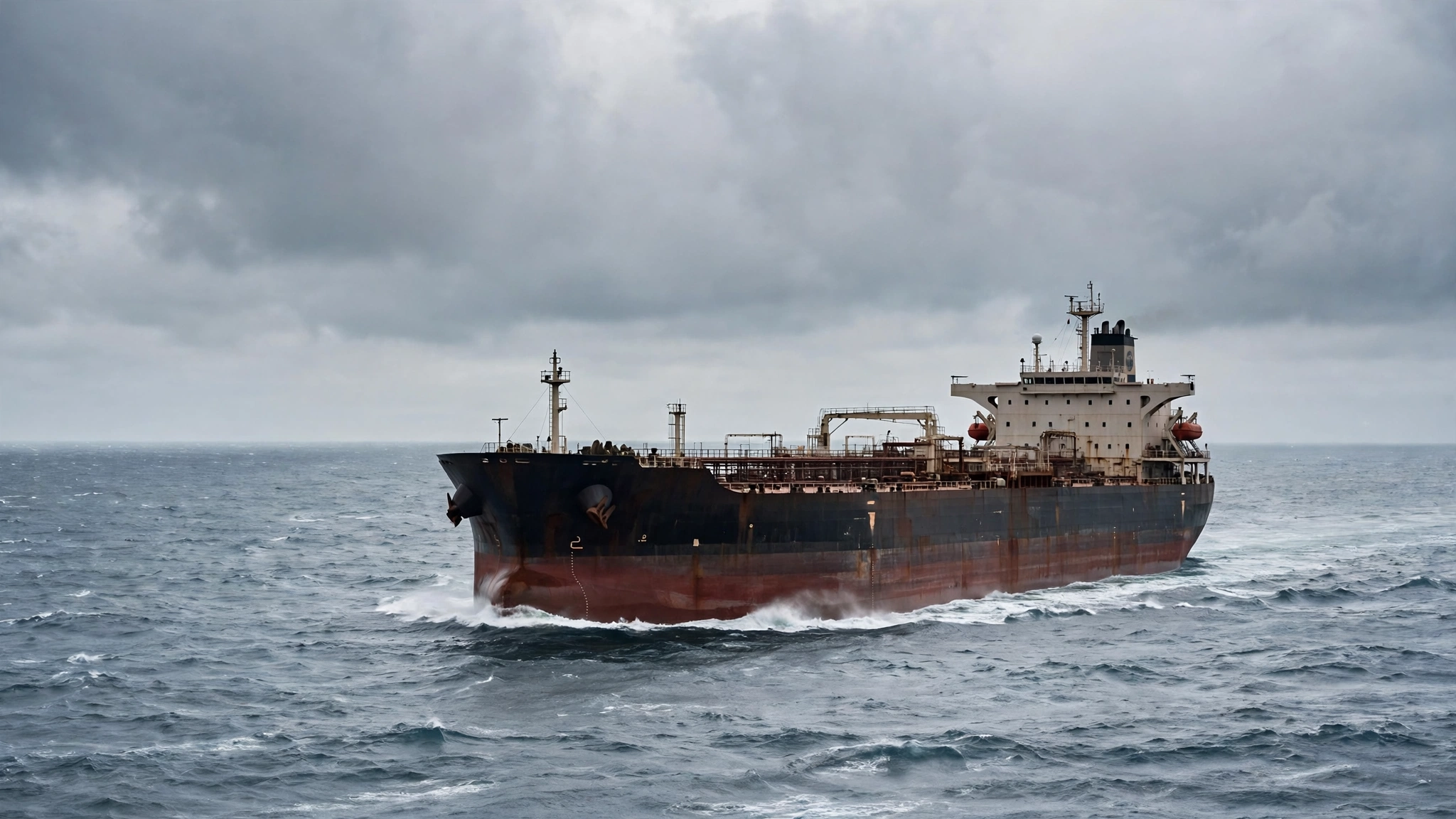
The administration has separately allowed more Russian diesel onto the market, a step intended to relieve global fuel prices. Trump has criticized Ukrainian strikes on Russian refineries as a strain on diesel markets, and Energy Secretary Chris Wright has described sanctions relief as a “carrot” for Russian de-escalation.
Brands said the financial gain to Moscow from extra diesel exports is probably “fairly marginal,” and that the larger question is what Putin concludes about Washington’s willingness to keep up the pressure. “The threat of imposition may lose some credibility if over a period of time you’ve demonstrated that you would prefer not to impose those penalties in the first place,” he said.
The dispute is unfolding as envoys from Ukraine, Russia and the U.S. prepare to meet in Abu Dhabi in early November, a meeting Ukraine’s president announced this week.
Reporting based on coverage by Fox News Digital.