Israel Heads to First Post-October 7 Election With No Bloc Near a Majority
Israelis vote Tuesday in their first national election since the October 7, 2023 Hamas attacks. Polls show neither Benjamin Netanyahu's bloc nor the opposition close to the 61 seats needed to govern, leaving Arab parties as possible kingmakers.
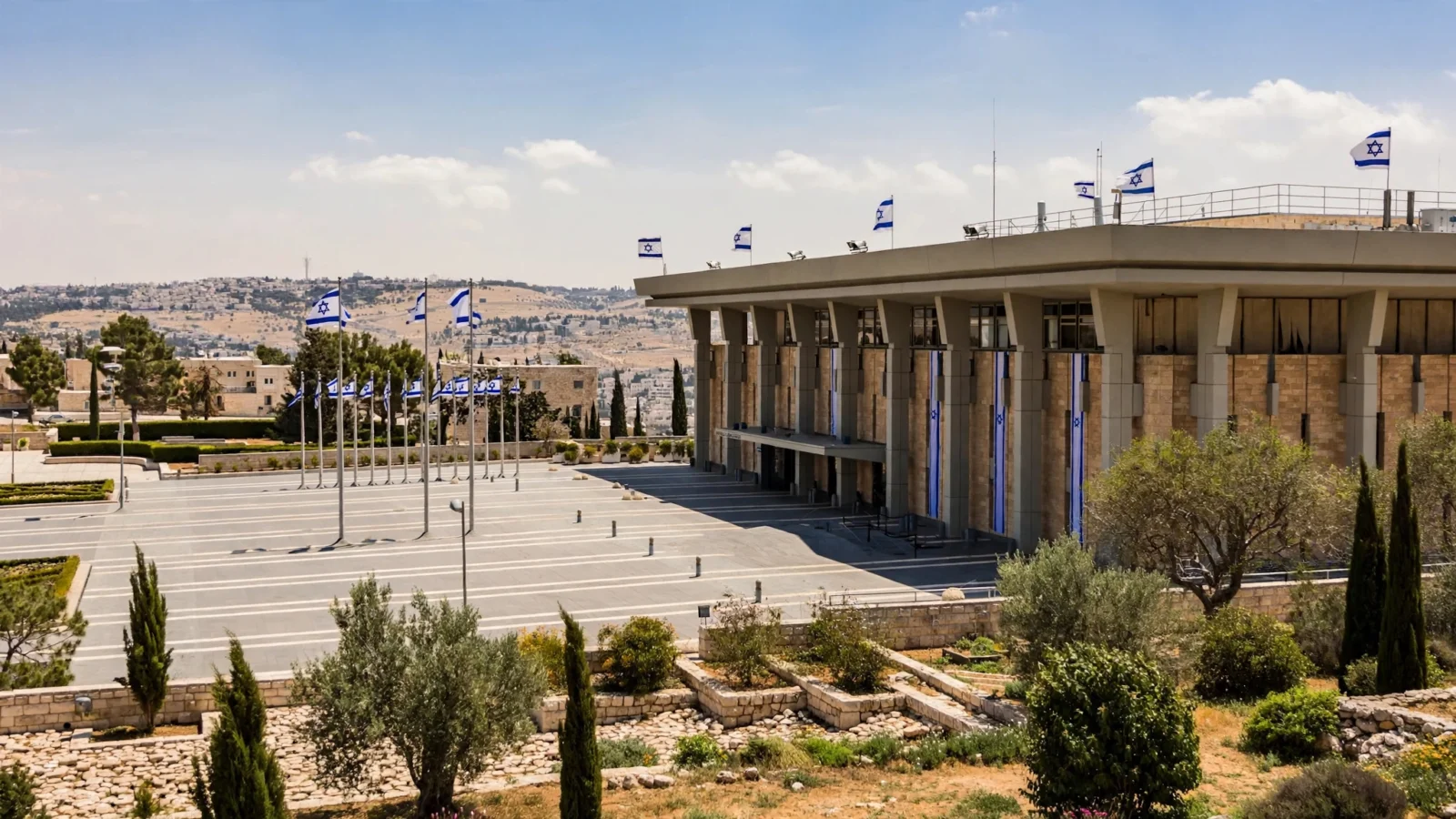
Israelis go to the polls on Tuesday in the country’s first national election since the October 7, 2023 Hamas attacks, with the main blocs supporting and opposing Prime Minister Benjamin Netanyahu running very close in recent polls, according to Reuters.
The polling points to a stalemate. A combined estimate of polls published by The Jerusalem Post and reported by The Global Journal projects 54 seats each for Netanyahu’s bloc and the opposition bloc led by Gadi Eisenkot, Yair Lapid and Naftali Bennett, with Arab parties taking eight. A separate Channel 12 poll puts the opposition at 54 seats, Netanyahu’s coalition at 49, and Arab parties at eight. Sixty-one of the 120 Knesset seats are required for a majority, which neither camp is projected to reach on its own.
Arab parties could decide the outcome
Yousef Jabareen, a leader associated with the Arab political camp, said his party would use all available political means to remove Netanyahu from the premiership but ruled out formally joining the opposition alliance, according to The Times of Israel, cited by The Global Journal. A precedent exists: in 2021, the United Arab List under Mansour Abbas joined the government formed under Naftali Bennett and Yair Lapid, ending Netanyahu’s tenure as prime minister. That coalition collapsed in 2022.
The October 27 vote is Israel’s first national parliamentary election since the 2023 attack and the military campaign in Gaza that followed, with security and foreign policy at the center of the campaign, The Global Journal reported.
Reporting based on coverage by Reuters and The Global Journal.