Polls Close in Brazil Presidential Runoff After Late Voting Extension Causes Confusion
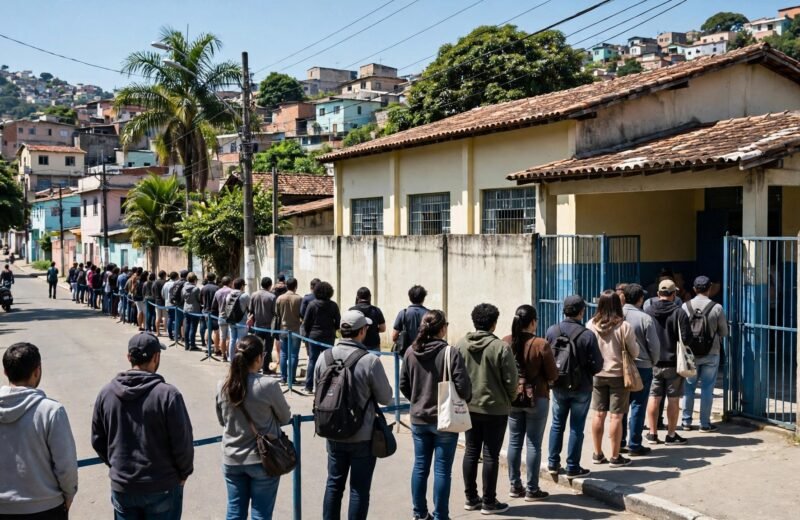
Polls closed in Brazil's presidential runoff on Sunday after a court ordered voting extended by two hours, a late decision that left some polling stations open while others had already shut.
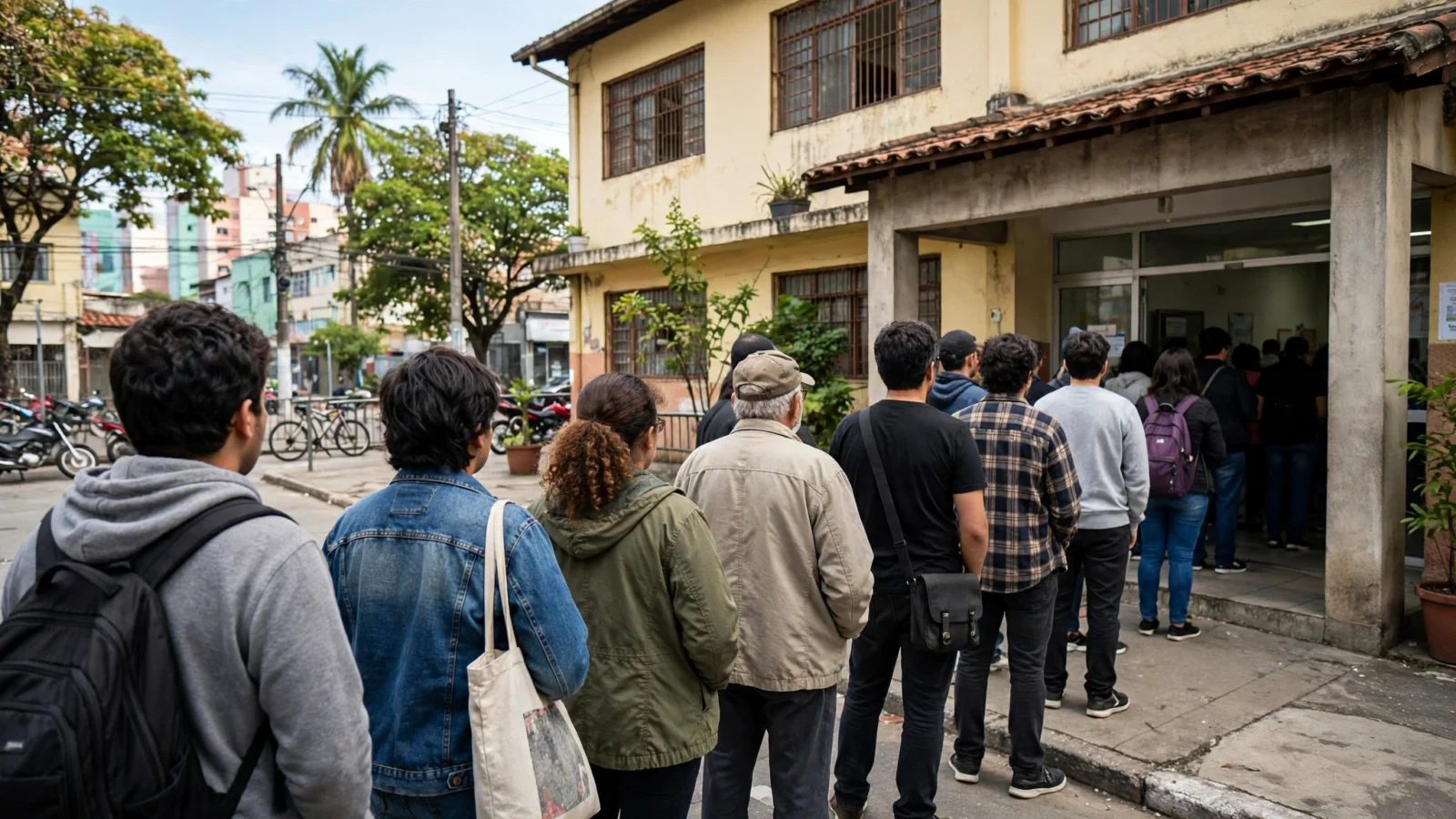
Polls in Brazil’s presidential runoff closed on Sunday after voting was extended by two hours, following last-minute requests from both campaigns to electoral authorities.
Brazilian Supreme Court Justice Cristiano Zanin granted a request from President Luiz Inacio Lula da Silva’s campaign, which cited “incidents” affecting buses in several states. Senator Flavio Bolsonaro’s campaign had also asked for an extension in some areas, citing heavy rain that made it hard for voters to reach polling stations.
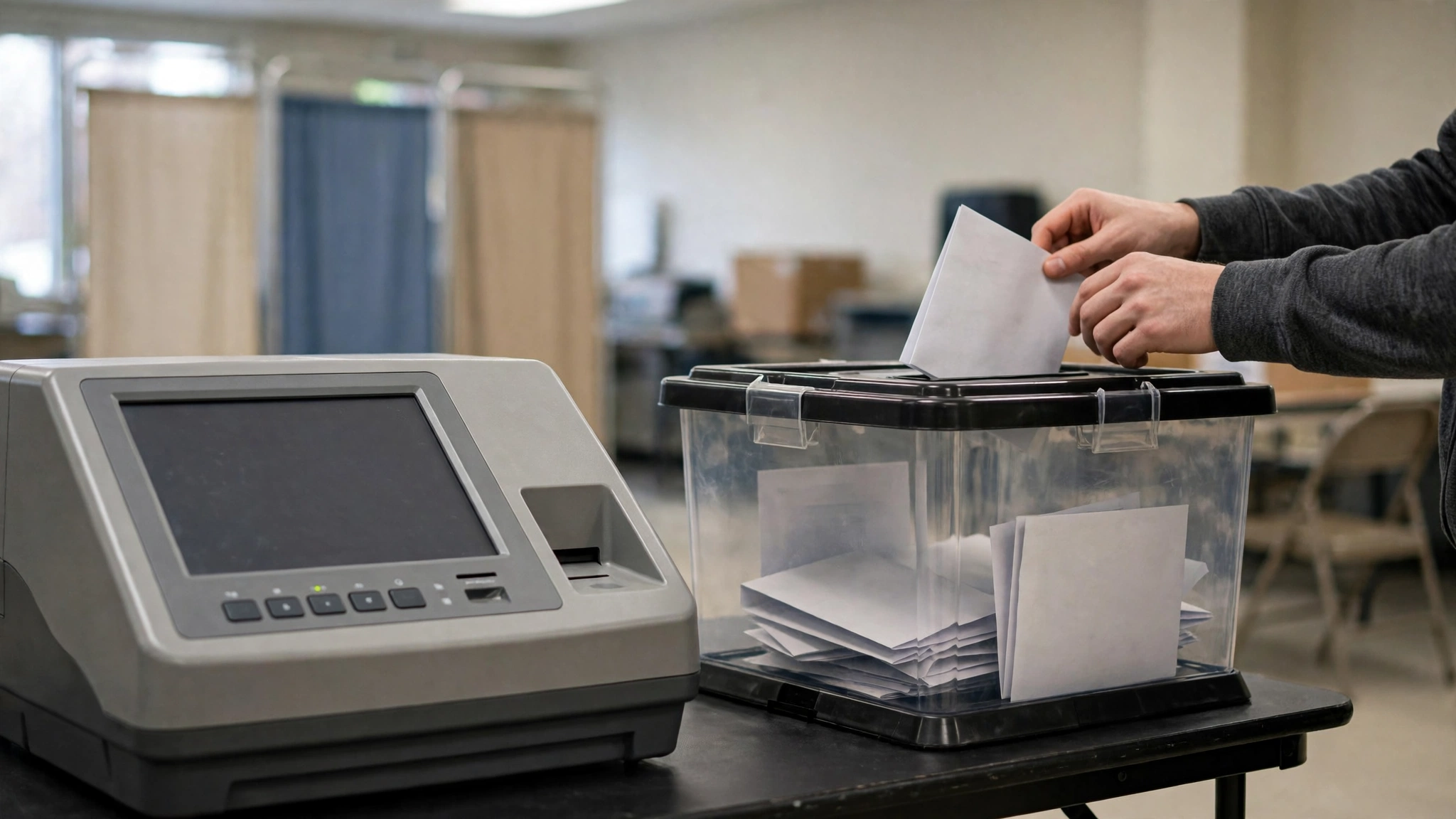
The order came around 5 p.m. in Brasilia, just as polls were scheduled to close, and many stations had already shut down. Zanin and the Superior Electoral Court later clarified that only polling stations that had not been closed should stay open until 7 p.m. local time. Many voting locations remained closed, and the late order caused confusion at polling stations across the country.
The ruling drew backlash from Bolsonaro allies, who accused the Supreme Court of overriding the electoral court’s authority. Zanin had been Lula’s personal lawyer before the president appointed him to the court in 2023, but the court randomly assigned him to the case, according to CNN. After Lula’s request, the Brazilian Federal Police opened an investigation into whether interference with public transport supplies kept people from reaching polling places in five states.
How the runoff reached this point
Voters returned to the ballot box on Sunday to choose between two candidates with sharply different plans for the country, amid concern over crime, corruption and a rightward trend among Latin American voters. Lula, 80, entered the election hoping to secure a fourth term. Bolsonaro, 45, is the eldest son of former President Jair Bolsonaro.
According to Brazil’s Superior Electoral Court, Bolsonaro finished 2.2 million votes ahead of Lula in the first round on October 4. Neither candidate won the majority needed to win outright, which forced a runoff. The first-round result turned Lula, who defeated Jair Bolsonaro in 2022, into the runoff underdog, after polls had pointed to a Lula win.
President Donald Trump said on Sunday that he was “monitoring” Brazil’s runoff. He declined to endorse either candidate, though he had previously praised Flavio Bolsonaro’s first-round performance and described the election as “very important.”
Crime, prices and women voters
Public safety was one of the defining issues of the campaign. A September Quaest/Pax survey found that 28% of Brazilians saw violence as the country’s biggest problem, followed by corruption at 22% and the economy at 19%. Flavio Bolsonaro promised to designate major criminal factions as terrorist groups, expand prisons and lower the age of criminal responsibility, while Lula signaled support for lowering that age from 18 to 16 for certain serious crimes.
Women, who account for nearly 53% of registered voters, were a central target for both campaigns. An October 15 Datafolha survey put Lula ahead among women by 49% to 40%, while Flavio Bolsonaro led among men by 52% to 40%. Evangelical voters leaned toward Bolsonaro by 62% to 29% in Datafolha polling, while Lula led among Catholics by 52% to 42%.
Sunday’s vote decides whether Lula serves another four-year term or Flavio Bolsonaro carries his first-round lead into a win that would return his family to the presidency.
Reporting based on coverage by CNN.