Federal Deficit Rose to $2 Trillion in Fiscal 2026, CBO Estimates Show
The Congressional Budget Office estimated Thursday that the federal deficit reached $2 trillion in fiscal 2026, up $218 billion from a year earlier, as spending grew faster than revenues and interest costs climbed.
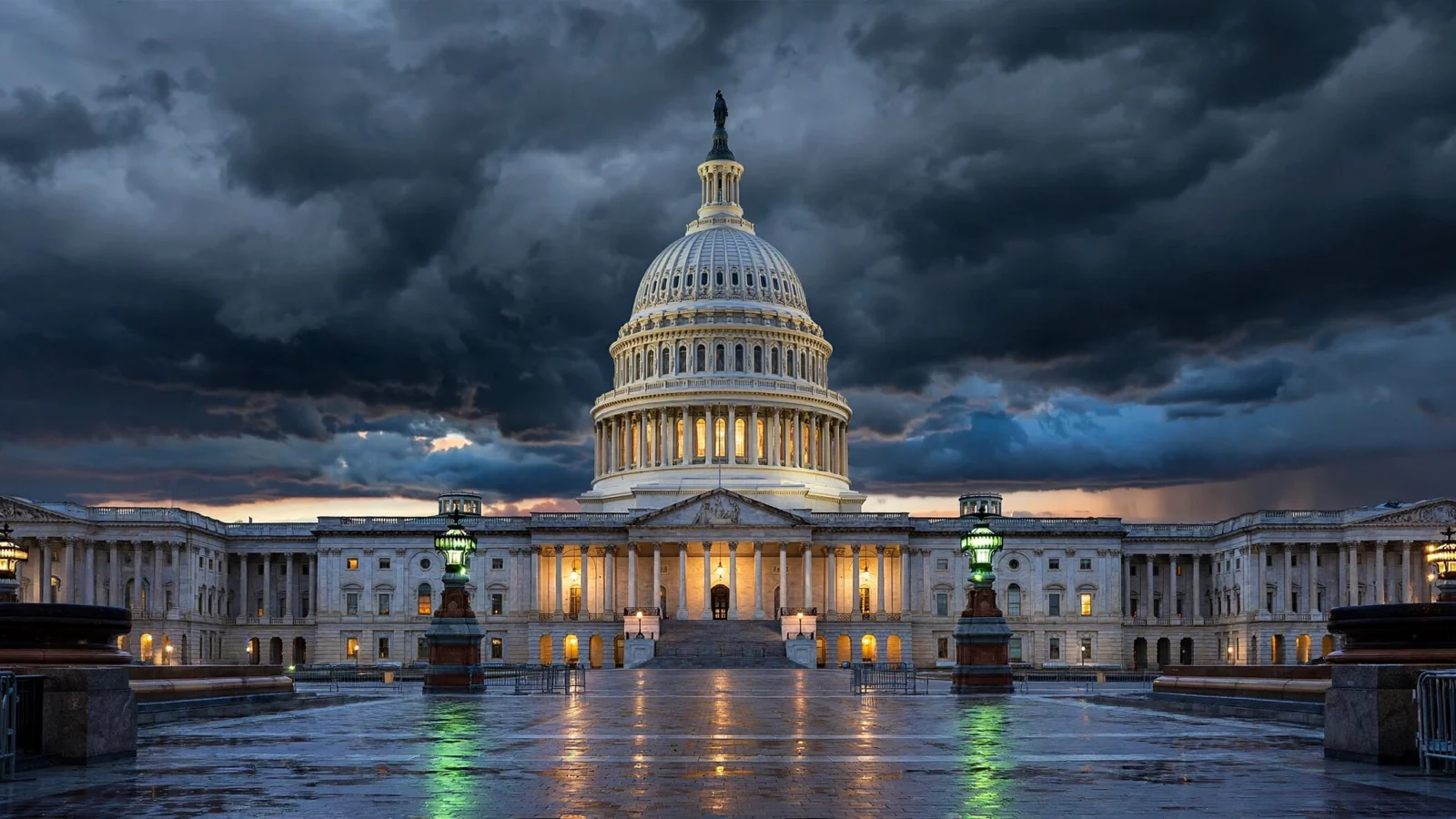
The federal budget deficit reached $2 trillion in fiscal 2026, the Congressional Budget Office estimated on Thursday, as government spending grew faster than tax revenues.
According to the CBO estimate reported by the Washington Examiner, the shortfall was $218 billion larger than the deficit recorded in fiscal 2025. Revenues rose about 3% from the year before, but spending increased by an estimated $386 billion, or 6%, with higher outlays for net interest on the debt, major benefit programs, defense and education.
Interest costs now rank near the top of the budget
The estimate landed as the national debt recently crossed $40 trillion and Treasury yields remained elevated. The Washington Examiner reported the yield on the benchmark 10-year Treasury at 5.299% on Thursday, with the 20-year at 5.706% and the 30-year at 5.655%. Last month, the 10-year yield moved above 5% for the first time since the summer of 2007.
Net interest payments now account for about 15% of federal spending, making interest the second-largest category in the budget, ahead of defense and Medicare and behind only Social Security, according to the report. The Treasury Department announced a buyback operation last month in an effort to calm markets.
A wider gap despite calls for spending restraint
The larger deficit came during a fiscal year in which the administration pursued spending cuts through the Department of Government Efficiency. Corporate income tax revenue fell notably, by 16%, in fiscal 2026, according to the CBO, in part because the One Big Beautiful Bill Act allowed corporations larger deductions for certain investments. Supporters of that law have argued it will spur growth and generate additional revenue over time; critics say it added to the deficit.
Maya MacGuineas, president of the Committee for a Responsible Federal Budget, said in a statement that the fiscal 2026 deficit “ranks among the highest deficits in our history,” and urged policymakers to address what she called an unsustainable fiscal path.
Separately on Thursday, Republicans on the Joint Economic Committee said in a monthly debt update that gross national debt was $2.39 trillion higher than one year ago. The committee calculated that the increase averaged about $6.55 billion per day over the past year.
The CBO figures also arrive against a longer-term backdrop for benefit programs: Social Security trustees projected in June that the retirement trust fund will be exhausted in 2032, after which scheduled benefits could be paid only in part unless Congress acts.
Reporting based on coverage by the Washington Examiner.