Pentagon Treats Freezer Failures at U.S. Military Bases as Suspected Cyberattack, Officials Say
The Pentagon is treating mysterious August freezer malfunctions that spoiled food at military bases as a suspected hack, according to officials, and investigators are comparing the cases with a similar attack on commercial freezers in France.
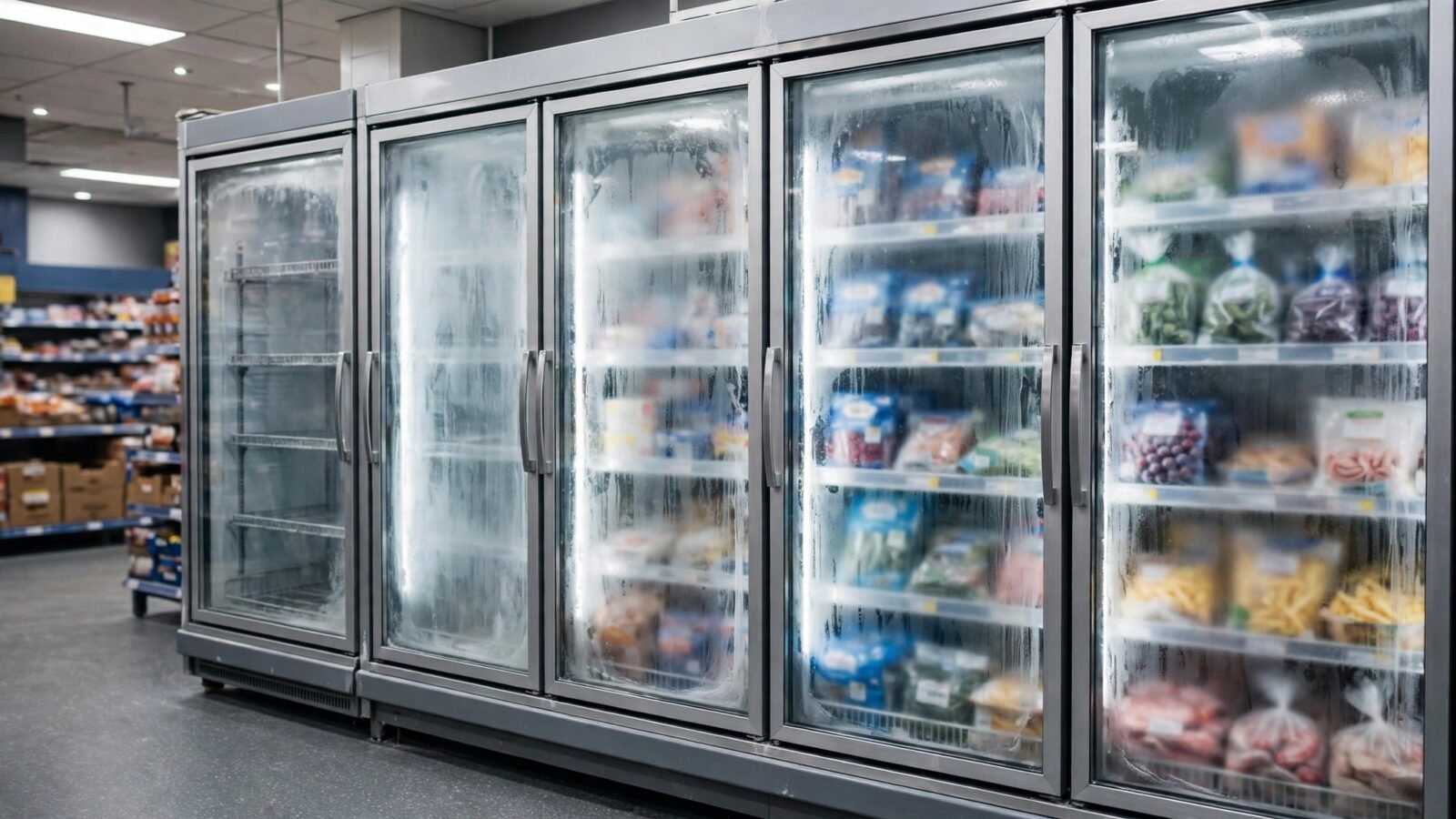
The Pentagon is treating a series of mysterious freezer malfunctions that spoiled food at military bases across the United States in August as a suspected hack, according to four officials familiar with the matter, Reuters reported.
Reuters said it could not establish how far the investigation had advanced or whether investigators had reached conclusions about what happened or who was responsible. The Pentagon said a unit of Cyber Command, the military’s cyber force, was “working in close coordination with interagency and law enforcement partners,” without giving more detail.
The malfunctions in late August affected at least six commissaries, the on-base stores where military personnel buy their food, according to a Reuters review of the bases’ Facebook posts and website updates. In at least one case, the cooling units’ temperatures were raised overnight, leaving wilted or melted food by morning.
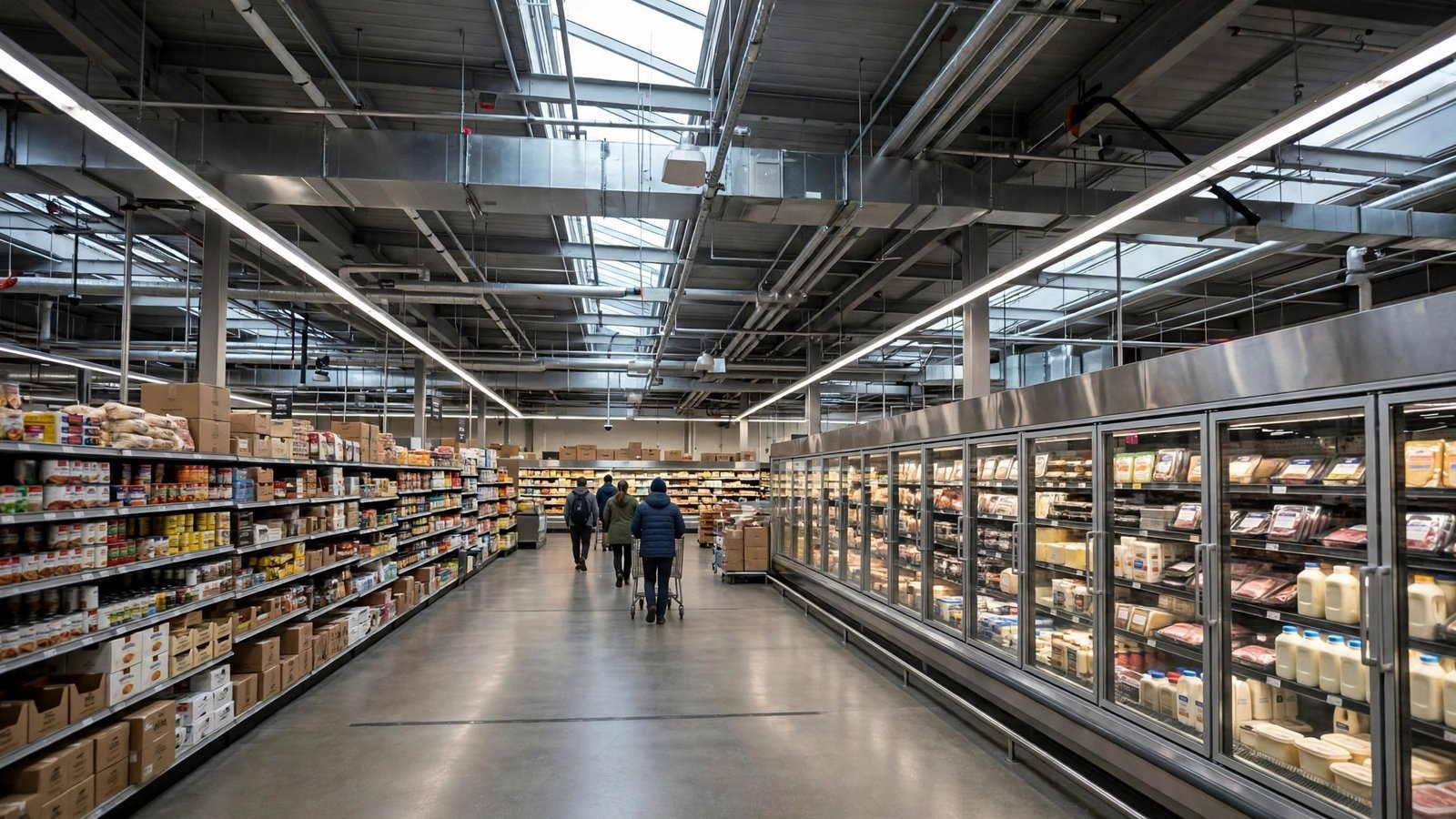
The Fort Huachuca, Arizona, Facebook account explained on August 26 that its freezer “went into defrost mode where it heated up all the food. Trust us when we say it was ‘spoiled.'”
The U.S. Army Criminal Investigation Division said its Cyber Field Office was involved in the investigation and that it was working with French law enforcement to better understand “the refrigeration outages in Europe.” One official said U.S. investigators were in touch with their French counterparts about a similar cyberattack on commercial freezers that disrupted supermarkets in France earlier this month.
A similar attack in France
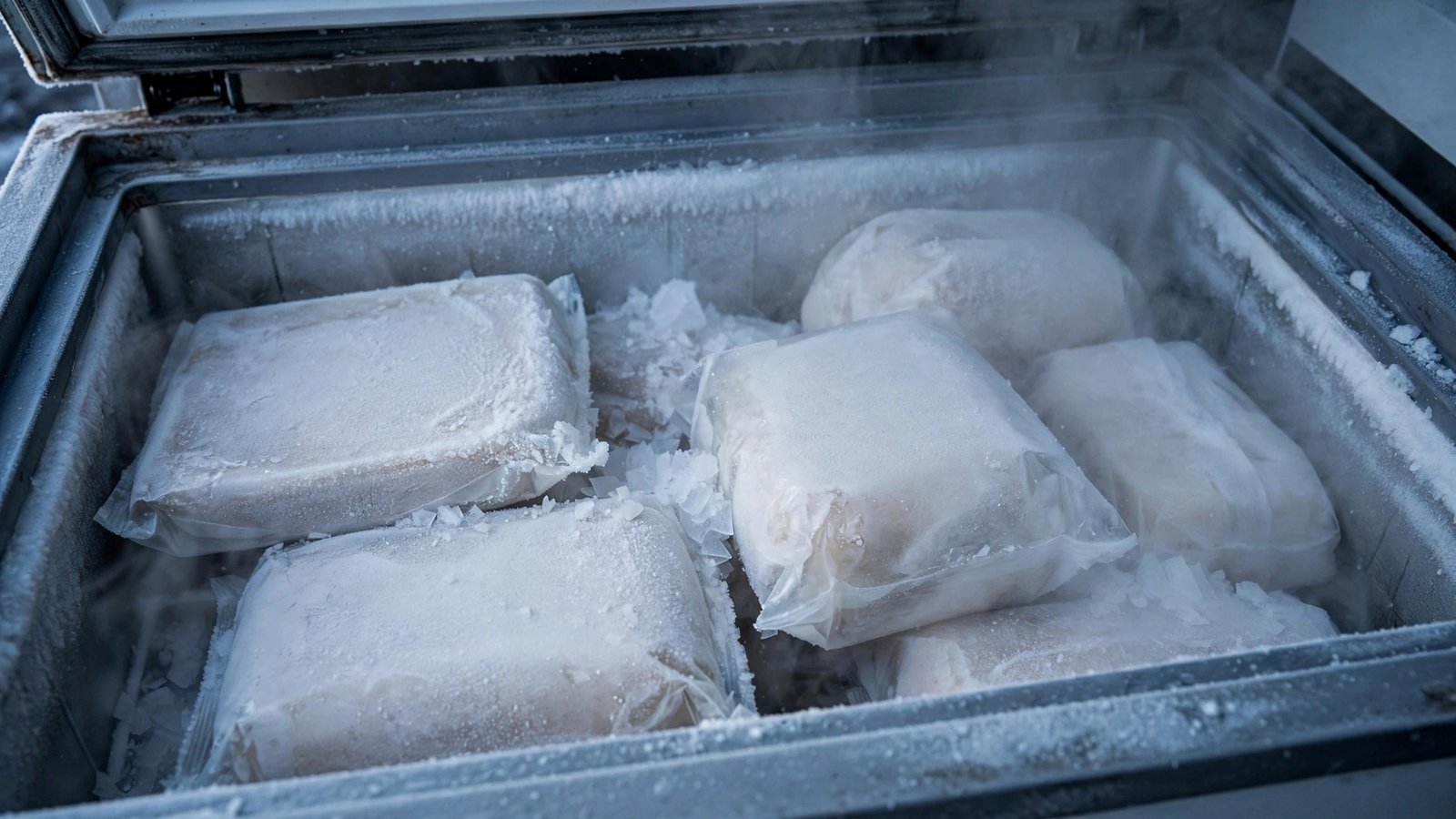
In France, attackers overrode the temperature controls on commercial cooling units in more than 350 establishments, and supermarkets cleared spoiled frozen food from their aisles. Some French refrigeration units had the temperature turned up so high they caught fire, Reuters reported. One supermarket owner estimated the total costs in France could reach tens of millions of euros.
The French attack appeared to have been easy to carry out, according to experts who previously spoke to Reuters. The Danish firm Danfoss, whose controllers ran many of the stricken French units, said many of the controllers were obsolete or were running outdated firmware, which could have made it easier for hackers to break in. Reuters could not establish whether Danfoss or any other brand of freezer controller was in use at the affected U.S. bases, and Danfoss did not return messages seeking comment.
Why cold storage is a target
Refrigeration plays a central part in the distribution of fresh food, and sabotage of cold storage facilities over the internet has long been viewed as a nightmare scenario, alongside the loss of electricity or water plants.
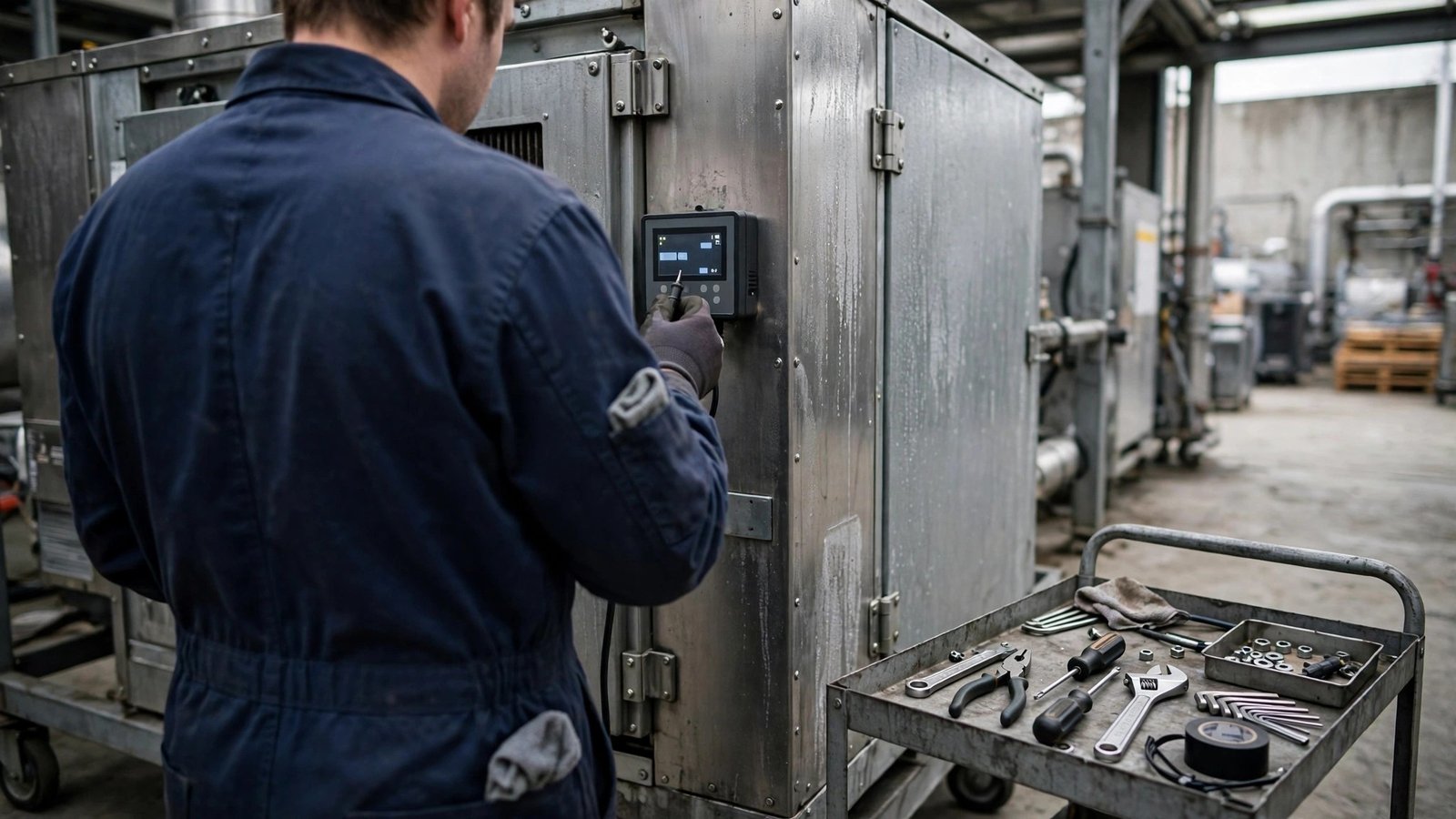
Earlier this year, the Global Food Safety Initiative, an industry body, called on food safety professionals and IT leaders to work together on cybersecurity for refrigeration technology, noting that “a hacked cooling system is just as dangerous as a broken one.”
Hackers have previously sabotaged fridges and freezers in the United States and elsewhere. Danfoss has said that, in 2022, hackers either targeted or broke into supermarkets in Russia and Israel that were using obsolete versions of its cold storage controllers. In December of last year, federal prosecutors in Los Angeles accused a Ukrainian woman of being part of a hacker group that knocked out the refrigeration at a meatpacking facility in 2024, ruining more than 2,000 pounds of meat.
The root problem, according to Bill Moore, the chief executive of industrial cybersecurity firm Xona Systems, is that controllers first designed as isolated interfaces serviced by a technician in person are increasingly connected to the internet. “It can definitely disrupt the supply chain for food,” he said.
Reporting based on coverage by Reuters.