Trump Administration Asks Supreme Court to Set Aside California Mail Ballots From 20,000 Voters It Alleges May Not Be Citizens
The emergency request filed November 2, one day before the midterms, follows refusals from a federal district judge and the 9th Circuit, and asks the court to hold the disputed ballots uncounted until each voter's citizenship can be verified.
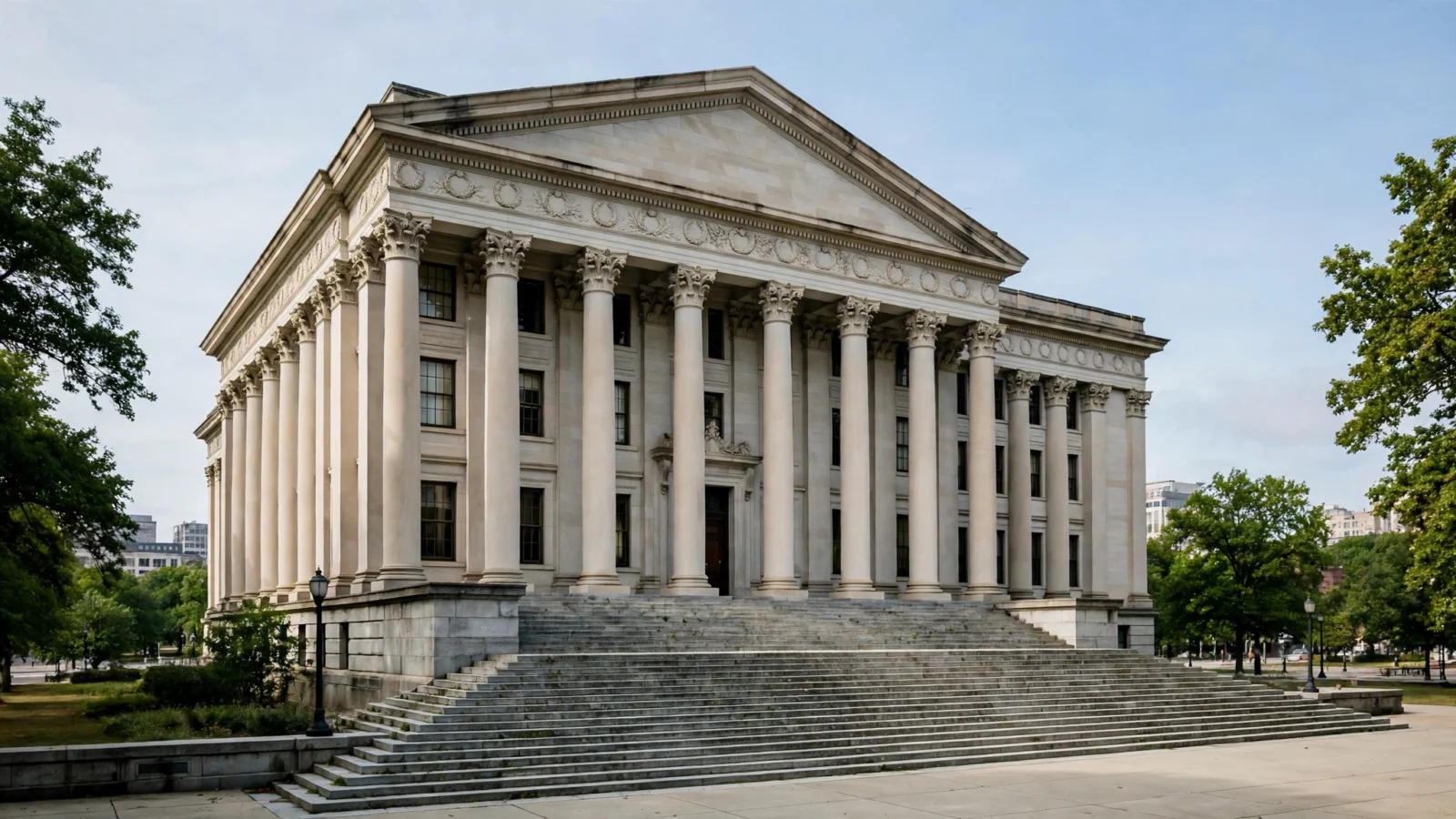
The Trump administration asked the Supreme Court on Monday to direct California to set aside mailed ballots cast by anyone on a list of 20,000 registered voters the administration alleges may not be citizens, one day before the November 3 midterm elections.
The Justice Department filed an emergency request asking the court to order California to separate any ballots tied to people on the list from other ballots and to hold them uncounted until each voter’s citizenship can be verified. “Once California commingles the challenged ballots with lawful ones, there is no way to get the challenged ballots back,” the Justice Department wrote in its appeal, according to USA TODAY.
The request follows two lower-court refusals. U.S. District Judge David Carter rejected the Justice Department’s request for a temporary restraining order on October 28, writing, “Never before in American history has the federal government, on the eve of an election, sought to coerce a state and local government to abandon their own Constitutional election procedures and bend to the will of the Executive Branch.” Carter also said the administration had not shown that it used a credible process to build the list.
On October 30, the San Francisco-based 9th U.S. Circuit Court of Appeals refused the request in a 2-1 decision, after the 9th Circuit kept the disputed California ballots in the count. The court said there was no feasible way to identify and separate the ballots of specific people without potentially catastrophic effects on the entire system. In dissent, Circuit Judge Patrick Bumatay called the government’s request reasonable and wrote that it would not cancel any vote but would allow time to verify the eligibility of suspected noncitizens.
How the list was built
Reuters reported that the list was put together by the Department of Homeland Security and sent to California and Los Angeles County officials. The Justice Department sued California on October 15, citing a 1996 federal law that makes it a criminal offense for noncitizens to vote in federal elections.
California said its safeguards already guard against noncitizen voting and that the process the administration used to create its list is highly suspect. California Attorney General Rob Bonta said on social media, “There is no widespread voter fraud,” and, “The federal government has no right to interfere in California’s elections.”
Reuters also reported that Carter raised doubts about the reliability of the administration’s data, noting that people flagged by the federal government as noncitizens on voter rolls in other states had repeatedly turned out to be naturalized U.S. citizens. A Reuters investigation published in July found just 129 cases in which noncitizens had been charged with voting illegally since the 1996 law passed, with many appearing to stem from voter confusion or administrative errors rather than intentional fraud.
What happens next
The emergency filing puts the dispute before the Supreme Court with Election Day hours away. The administration urged the court to act quickly by ordering the ballots set aside on an interim basis while the justices formally decide the request.
Rick Hasen, an elections law expert at the University of California, Los Angeles, called the appeal a “Hail Mary petition” and wrote that the Justice Department is asking for an extraordinary remedy it is unlikely to get because the request goes beyond the federal government’s powers under election law and comes too close to the election. Reuters noted that the Supreme Court in September turned back an earlier administration effort to restrict voting by mail.
Reporting based on coverage by USA TODAY and Reuters.