Delhi Air Quality Stays in ‘Very Poor’ Range at 377 Ahead of Diwali as Firework Limits Take Effect
Delhi's air quality index stood at 377 on Wednesday morning, the third straight day in the 'very poor' range, as emergency measures took hold and India's Supreme Court limited Diwali fireworks to set hours on November 7 and 8.
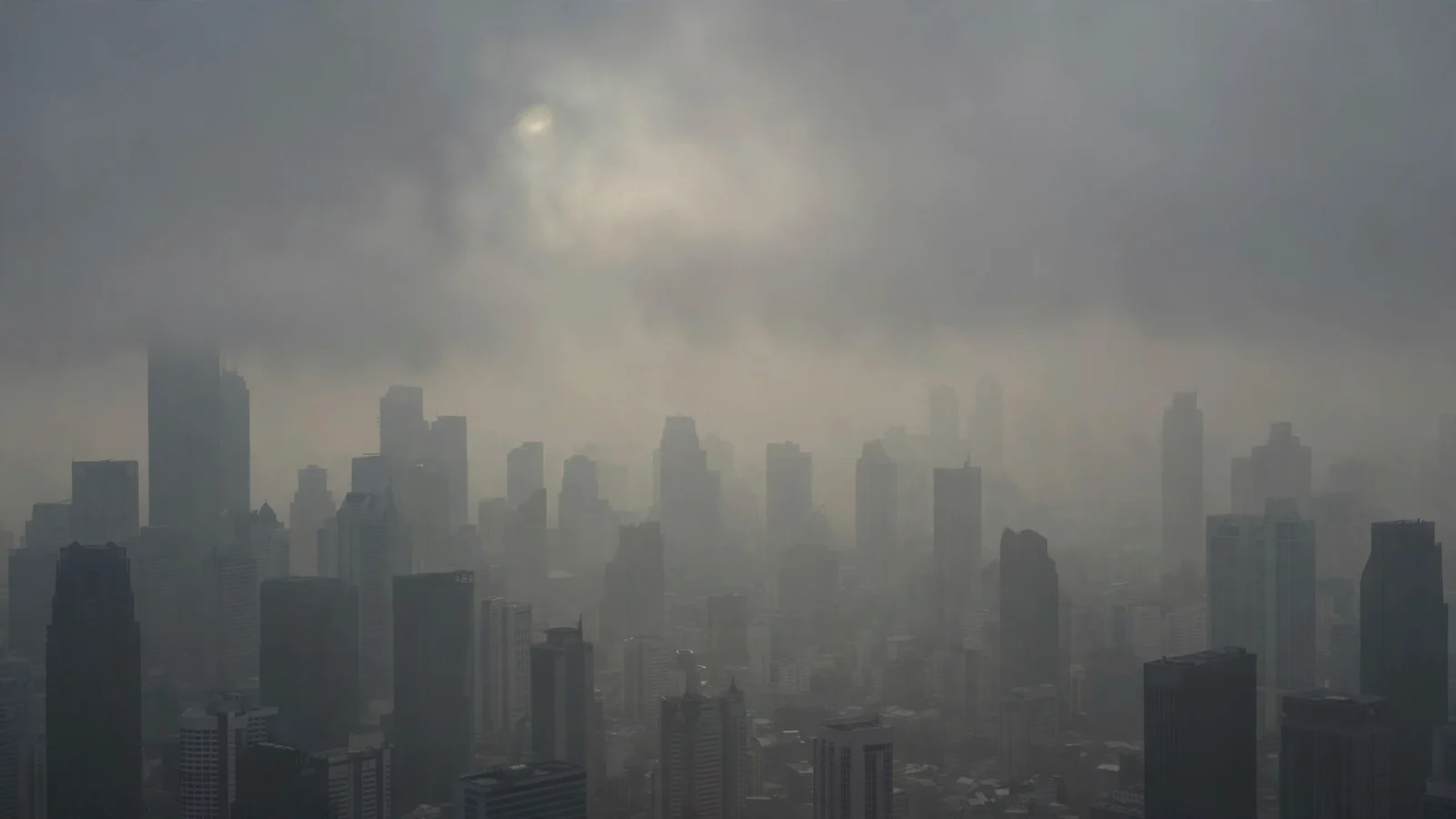
Delhi’s air quality index stood at 377 at 8 a.m. on Wednesday, the third consecutive day in the “very poor” range, as a thick layer of smog hung over the capital days before Diwali.
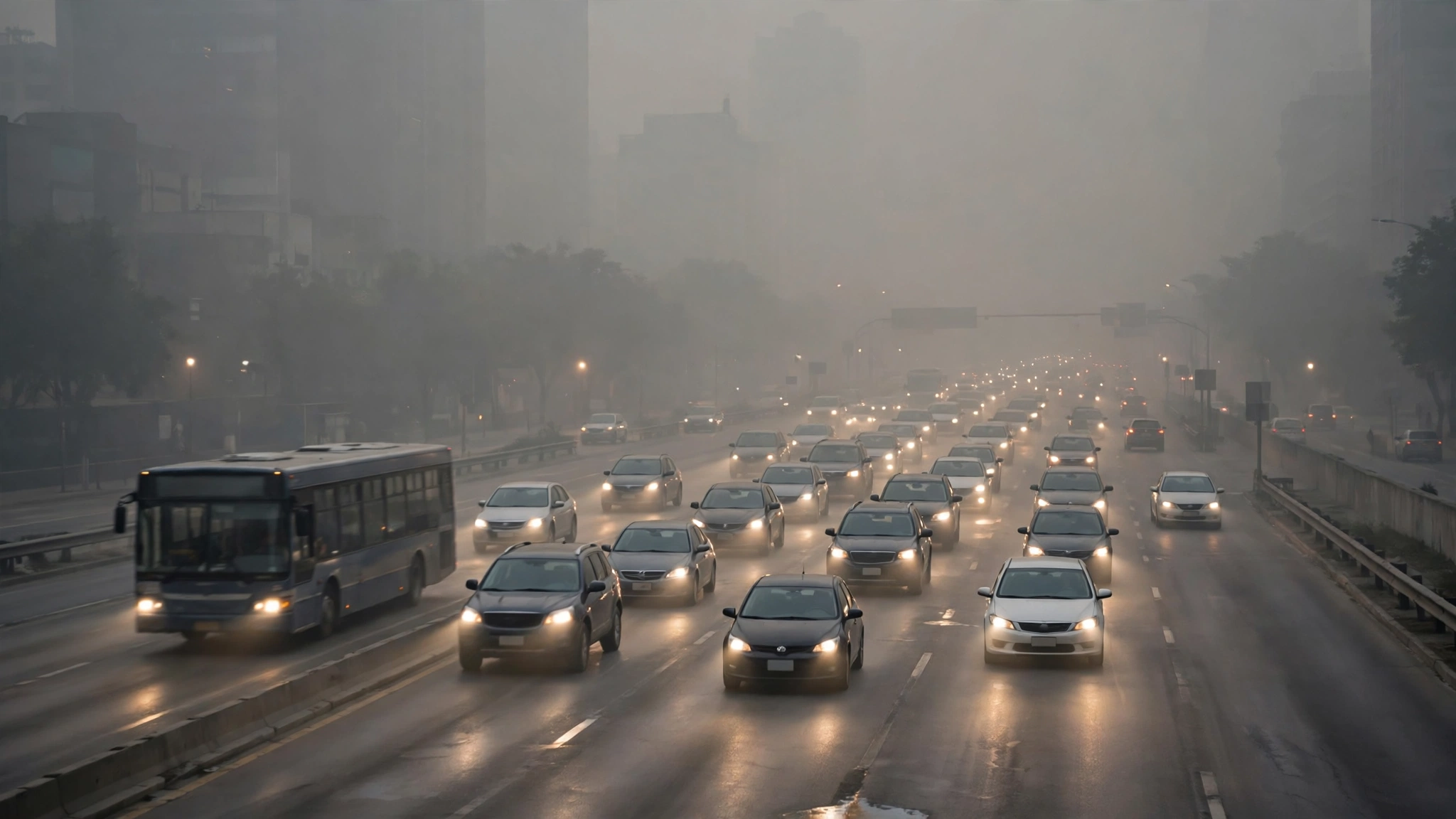
Of the city’s 59 monitoring stations, 20 reported “severe” air and 33 reported “very poor” air, according to Bilkul Online. Punjabi Bagh recorded 456 and Jahangirpuri 450, both in the severe range. PM2.5, fine particles about 30 times smaller than the width of a human hair, remained the main pollutant.
Emergency measures in force
Authorities put Stage II of the Graded Response Action Plan in place on Monday, November 2, when the 24-hour average stood at 324. The steps include more intensive road cleaning, higher parking charges to discourage private car use, extra public transport, and staggered government office hours. Delhi Metro added 20 weekday train trips.
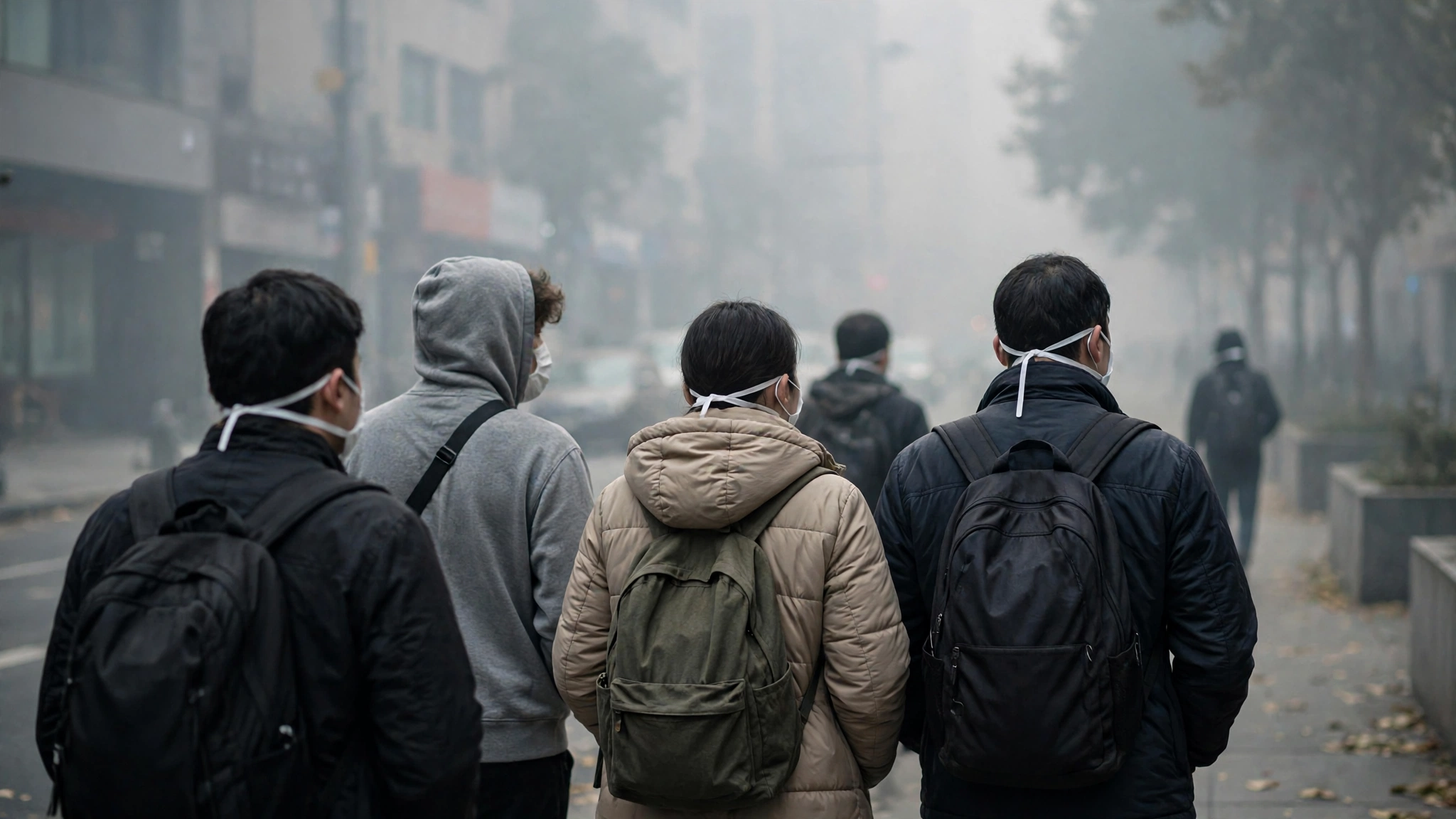
The Air Quality Early Warning System for Delhi forecast air in the “very poor” range until at least Friday, November 6. India’s pollution watchdog classes readings from 301 to 400 as “very poor” and readings above 400 as “severe”.
Fireworks limited to set hours
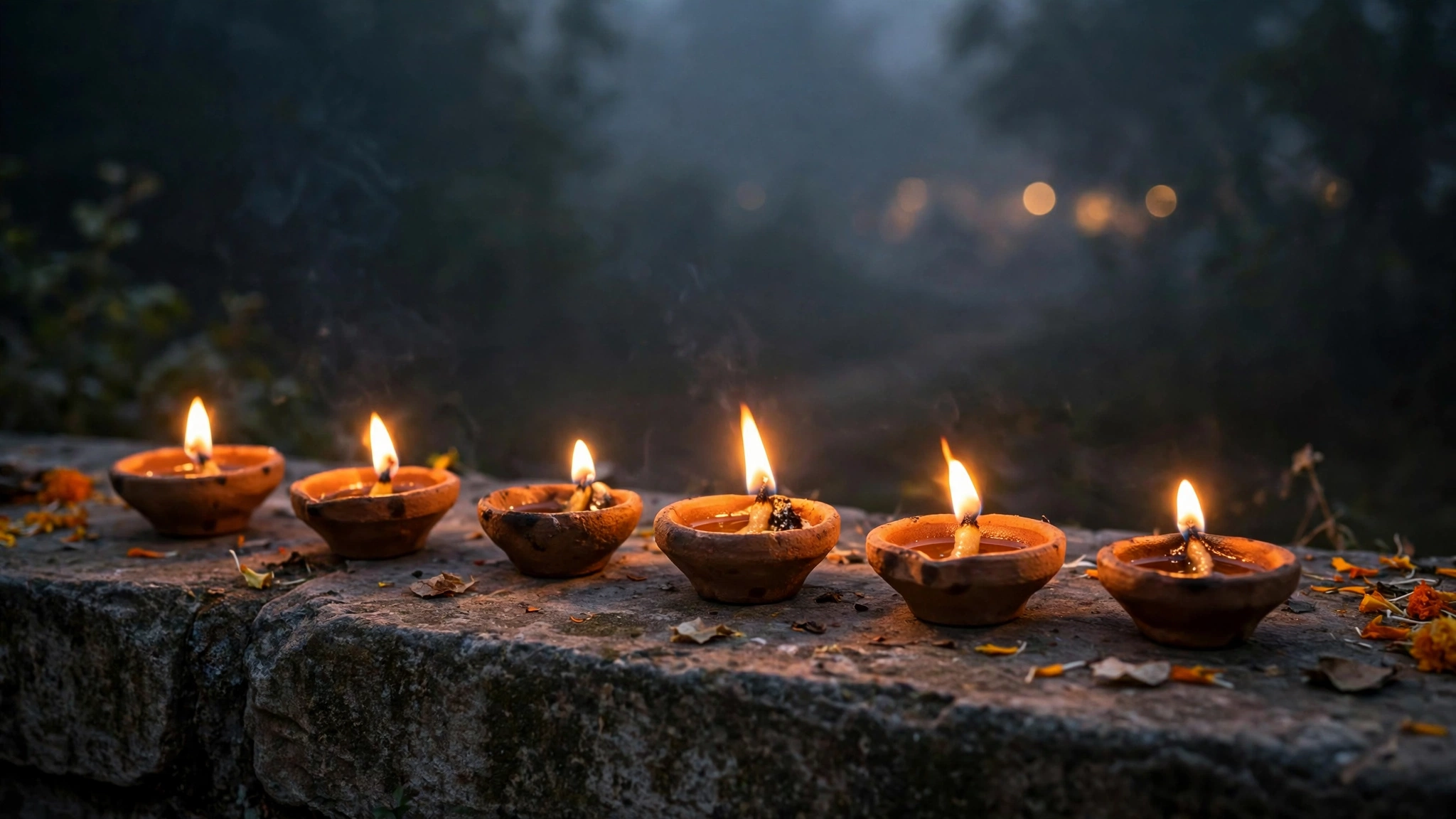
Diwali falls on Sunday, November 8. On Monday, India’s Supreme Court allowed certified green firecrackers in Delhi and nearby areas for a limited period. They may be set off only from 6 a.m. to 7 a.m. and from 8 p.m. to 10 p.m. on November 7 and 8, and they are banned within 300 metres of hospitals, care homes, schools and other silence zones.
The rise followed Delhi’s lowest average October air quality index in eight years. According to BBC News, the sudden decline followed falling temperatures, slow winds and more crop-residue burning in Punjab and Haryana, with northwesterly winds carrying smoke toward the capital. Breathing polluted air over long periods can cause breathing problems and worsen existing illnesses, and children and older people face higher risk.
Reporting based on coverage by BBC News and Bilkul Online.