Father Says Rhabdomyolysis Caused Death of 24-Year-Old Runner at New York City Marathon
Rachel Apa, 24, collapsed about two miles from the finish of the New York City Marathon on November 1 and later died at a hospital. Her father told the New York Times the cause was rhabdomyolysis, while the city medical examiner's office said Tuesday it was still investigating her death.

Rachel Apa, a 24-year-old from Lewisberry, Pennsylvania, collapsed about two miles from the finish of the New York City Marathon on Sunday and later died at a hospital, New York police said. Her father, Steve Apa, told the New York Times that the cause was rhabdomyolysis, a rare condition in which skeletal muscle breaks down quickly and poisons the body.
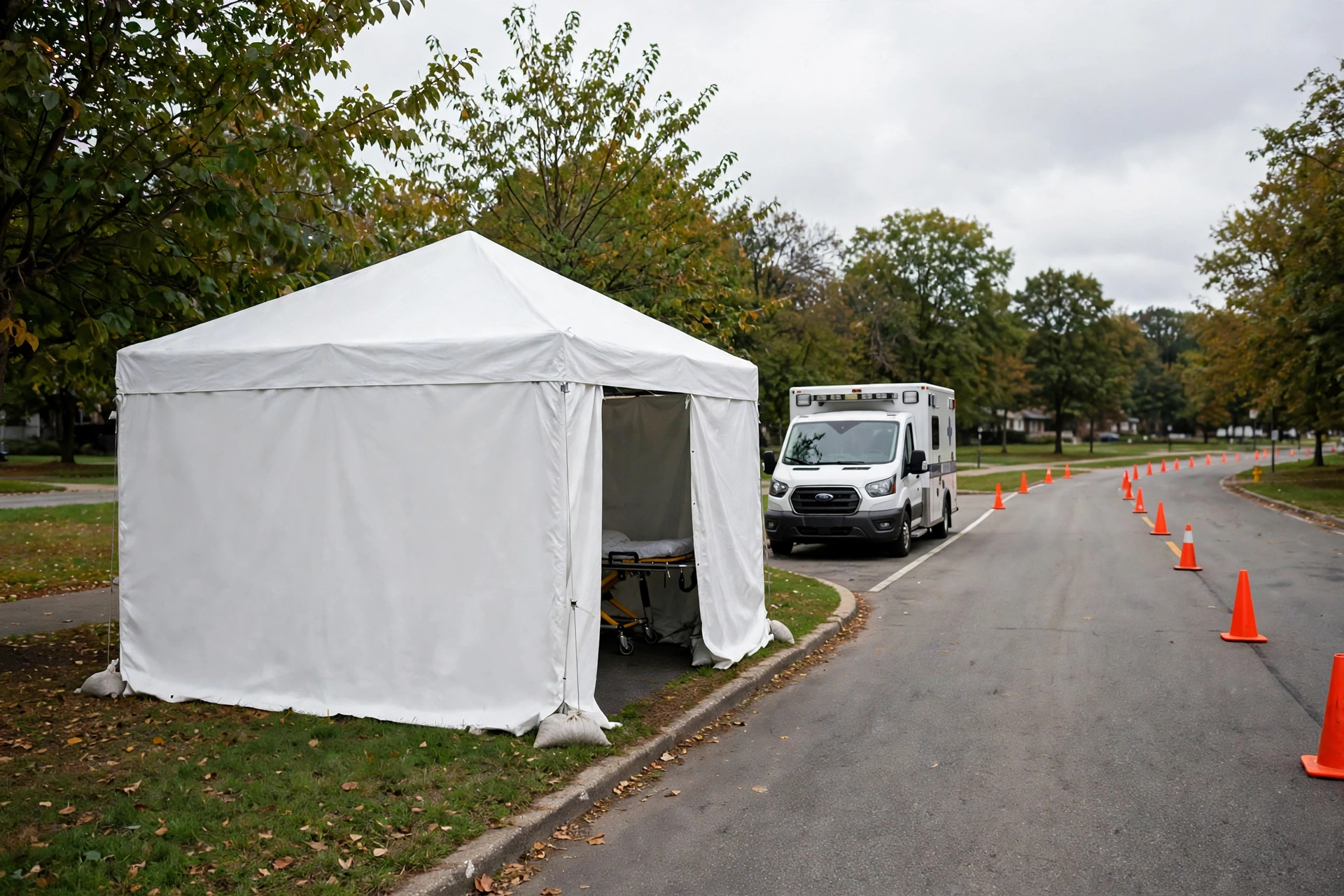
The city medical examiner’s office said Tuesday that it was still investigating her death, according to CNN. When Apa collapsed, a bystander performed CPR and race staff used a defibrillator. Paramedics took her to the hospital but were unable to save her.
Sunday’s race was Apa’s first marathon. She played Division I field hockey for Bucknell University, where she graduated in 2024. She ran the marathon to raise money for Parkinson’s disease in honor of her grandfather, who died from it in 2022. On her fundraising page, she wrote that he taught her to stay active, push her limits and embrace challenges.
What rhabdomyolysis does
Rhabdomyolysis can damage the kidneys, cause life-threatening heart problems or trigger total organ failure, CNN reported. Early symptoms can include exhaustion, weakness, nausea, vomiting and muscle aches. Dr. Doug Farrell, a nephrologist at Mount Sinai who was not involved in Apa’s case, said those symptoms can blend in with the normal discomfort of a long race, and that runners he has treated for the condition often sought care after passing out or becoming delirious during a race.

Farrell said heat and humidity raise the risk, because sweat evaporates less well and the body breaks down muscle faster. In 2022, doctors treated 24 marathoners for rhabdomyolysis at the New York City Marathon, compared with the three or four they usually see, after a hot and humid race day. Temperatures on Sunday were milder, hovering in the mid-60s.
Deaths in marathons are rare
Dr. Jonathan Kim, founding director of Emory Sports Cardiology, said deaths during marathons are extremely rare, and deaths from rhabdomyolysis would be rarer still. Kim, who did not work on Apa’s case, said the most common cause of sudden cardiac arrest in a marathon is a heart attack, and that rhabdomyolysis is not among the common causes in young athletes.

Sunday’s race broke the world record for the largest marathon in history, with 61,146 finishers, CNN reported. Kim said that across nearly 30 million people who ran in races from 2010 to 2023, the chance of dying from sudden cardiac arrest fell by half, and the survival rate for runners who go into cardiac arrest while running is close to 70 percent. He urged anyone training for a marathon to talk with a doctor first, especially with a family history of heart attack, a history of smoking or high cholesterol, and to watch for chest tightness, lightheadedness, shortness of breath and a racing heart.
Reporting based on coverage by CNN.