Paraguay’s Ousted President Santiago Peña Placed Under House Arrest in Ueno Bank Case
Hours after Paraguay's Senate voted to remove Santiago Peña from office, prosecutors ordered the former president held at his home in Asunción while they investigate the collapse of Ueno Bank, which left millions of savers unable to reach their money.
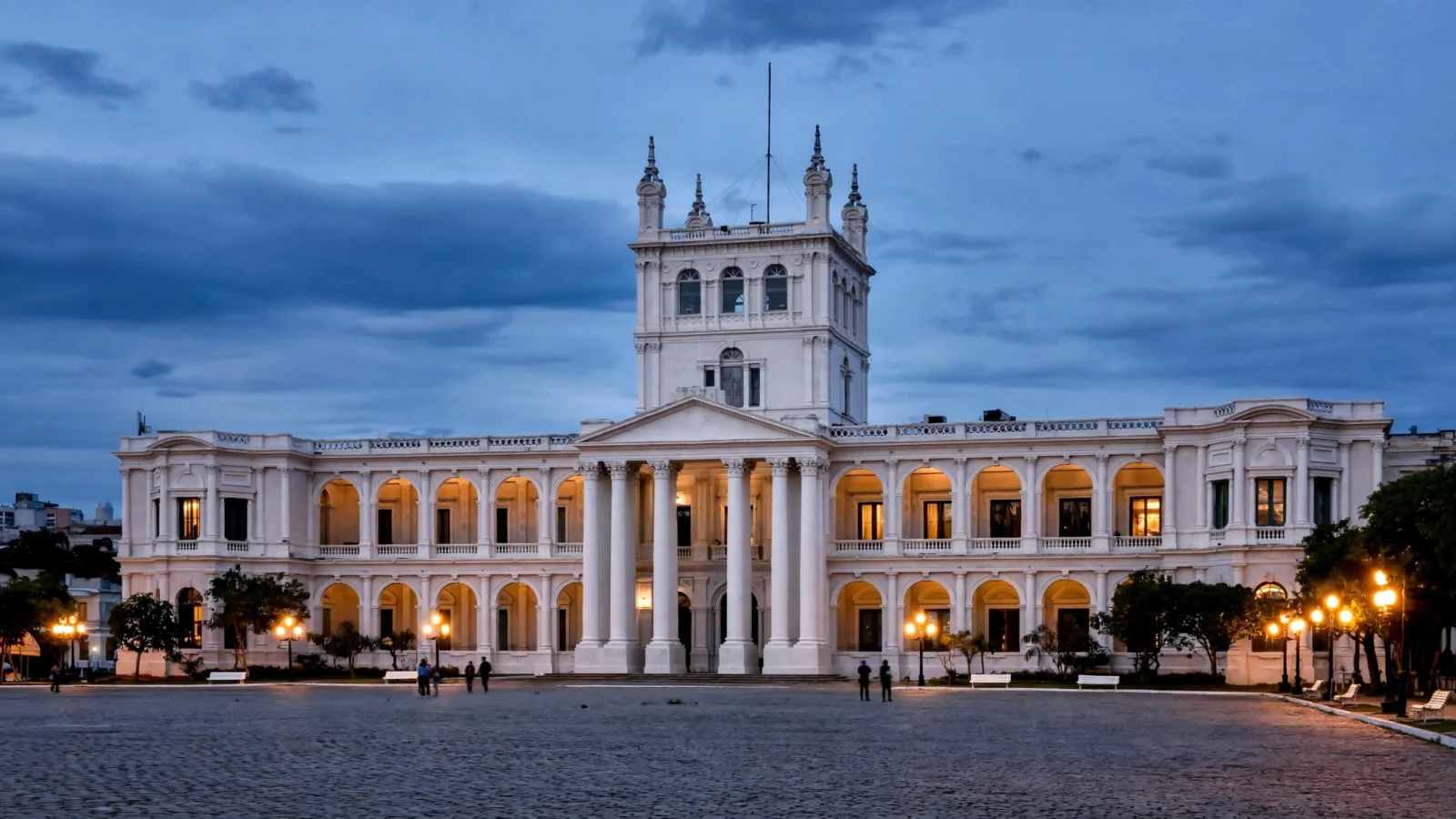
Paraguay’s former president Santiago Peña spent Friday night under house arrest at his home in Asunción, hours after the Senate voted to remove him from office over the collapse of Ueno Bank.
Prosecutors say Peña must appear before the Economic Crimes and Anti-Corruption Prosecutor’s Office at 11 a.m. on Saturday, Nov. 7. After taking his statement, they must file formal charges and ask a judge to decide whether he stays at home or is held somewhere else while the case moves forward.
The Senate voted to remove him on Friday, with 44 senators in favor and one absent. Vice President Pedro Alliana was sworn in as his successor soon after the vote and will serve out the term, which runs until 2028. The vote also stripped Peña of the immunity that came with the office. He is only the second Paraguayan president removed through impeachment, after Fernando Lugo in 2012.
Charges still to be filed
Prosecutors are weighing charges of breach of trust, influence peddling and self-interested administration, according to the Public Ministry. No formal charges had been filed as of Saturday morning. Former central bank president Carlos Carvallo Spalding was also detained on suspicion of the same offenses.
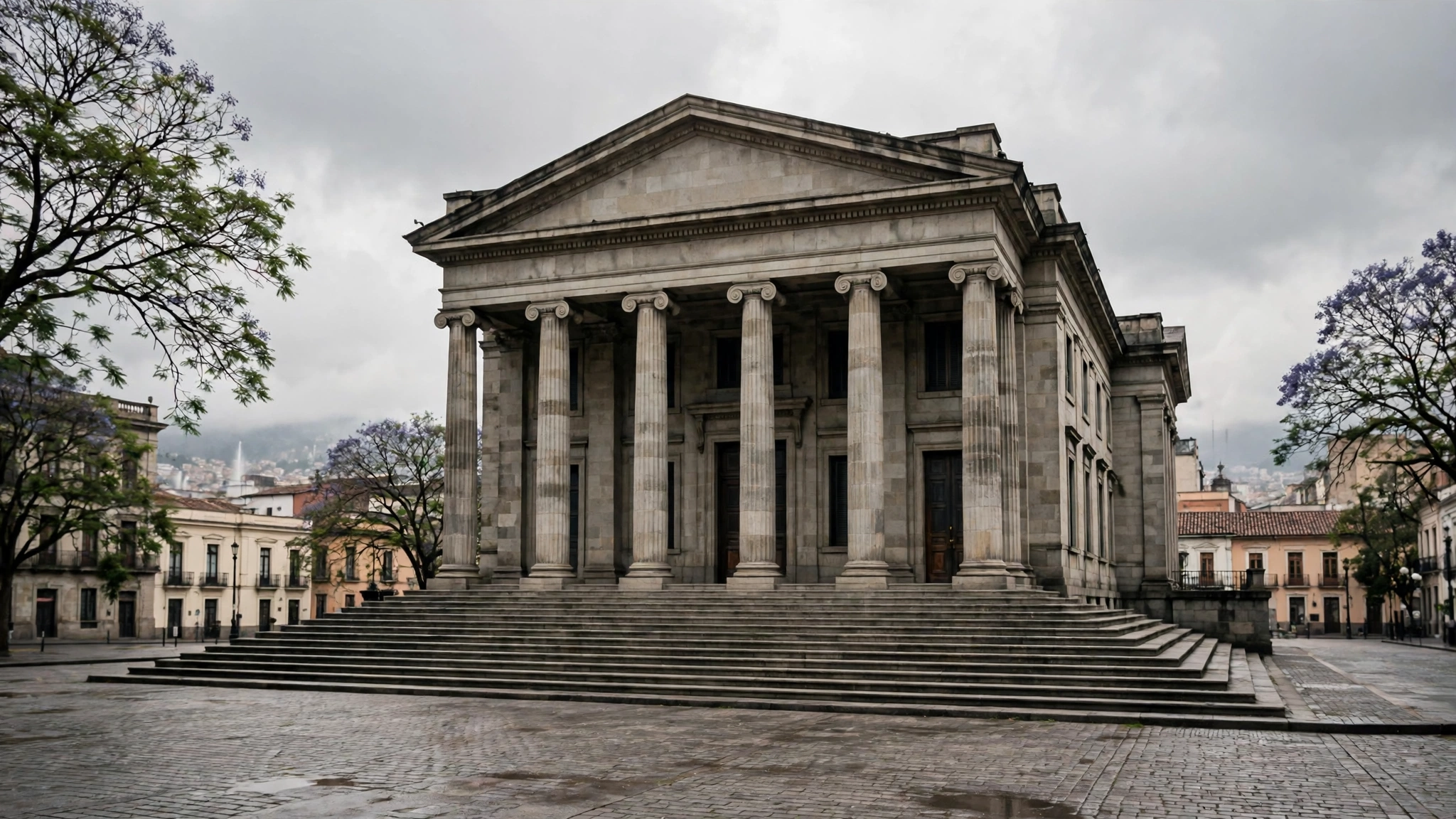
Attorney General Emiliano Rolón Fernández has opened three criminal cases tied to the bank crisis, covering the supervision and resolution of Ueno Bank, the placement of public funds in the bank and the actions of officials at several state institutions.
Peña’s lawyer, Ricardo Preda, said the impeachment involved “basic violations of due process.” Peña said he submitted his resignation “to avoid more harm to the country.” Congress did not accept the resignation and moved ahead with the removal vote.
How the bank failed
Ueno Bank had about 2.9 million customers in a country of 6.1 million people. Paraguay’s Central Bank intervened on Tuesday after finding the bank’s solvency ratio had fallen below half of the required minimum, a finding tied to adjustments in the bank’s financial statements. Customers found their savings frozen and their cards unusable.
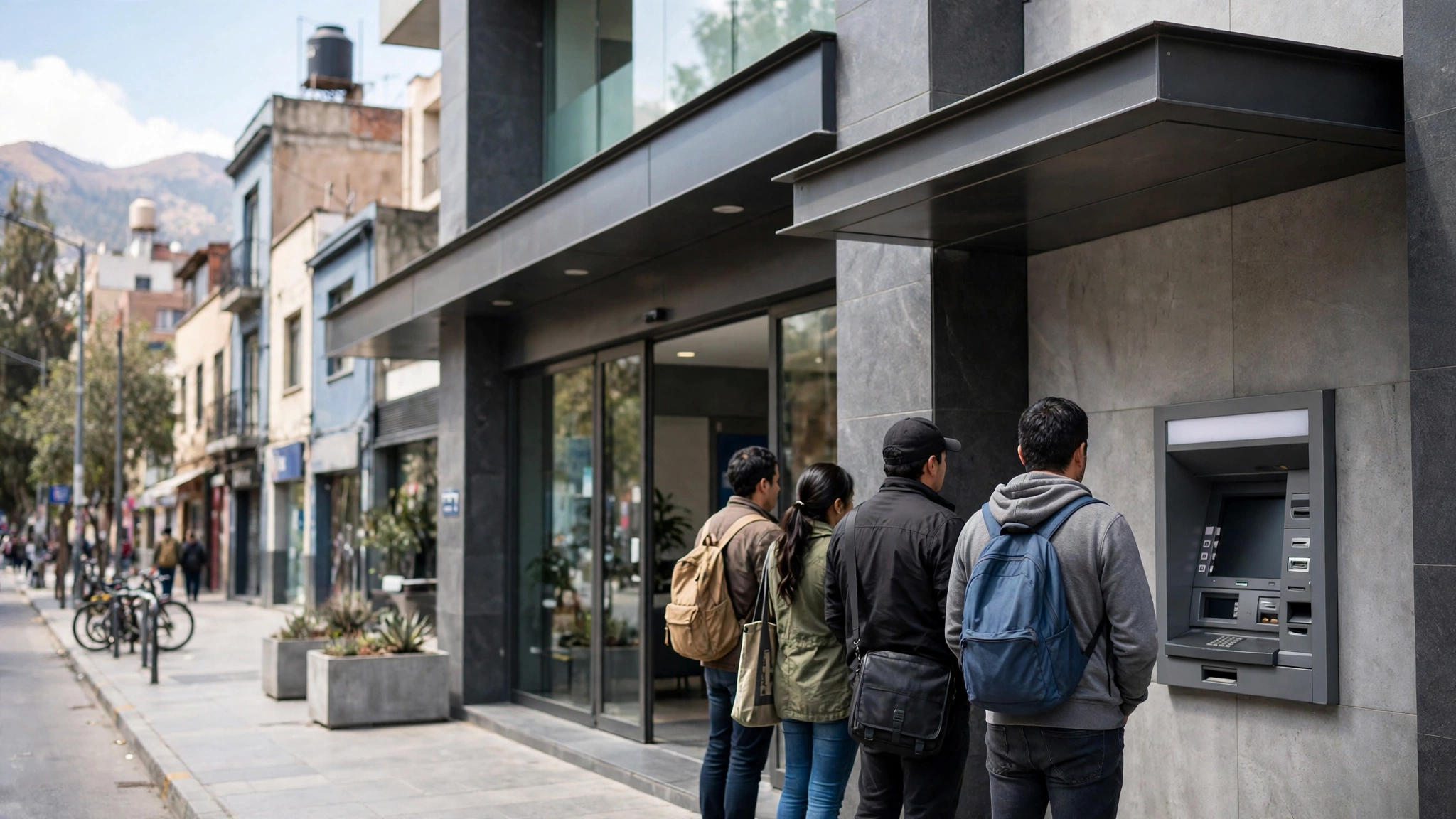
The bank held roughly $800 million to $850 million in public money, according to the Associated Press, including funds from the state pension and health fund IPS and the Caja Fiscal. Paraguay’s deposit guarantee covers up to about $38,000 per depositor, and preliminary central bank estimates put about 97 percent of account holders within that ceiling.
Peña was a business partner of Grupo Vázquez, the conglomerate that owns Ueno, until March 2025. The bank says he was never a shareholder or investor, according to the AP, while the complaint against him cites his 2023 asset declaration of an equity stake in Ueno Holding and a bond.
Alliana has pledged to compensate people hurt by the collapse. The Central Bank said Thursday night it would start processing guarantee payments to some Ueno customers in stages.
Reporting based on coverage by CNN and Sociedad Media.