New Zealand Election Ends in Deadlock as Coalition Holds a Two-Seat Lead
New Zealand's general election ended without a clear winner, with preliminary results giving Prime Minister Christopher Luxon's National-led coalition 67 seats in a 131-seat parliament and the official result not due until November 27.

New Zealand woke on Sunday without knowing who will govern the country, after a general election on Saturday failed to give either of the two main blocs a clear win. With almost all votes counted, Prime Minister Christopher Luxon’s centre-right National Party finished as the largest party in parliament, but well short of the seats it needs to govern on its own.
On the preliminary results, National won 42 seats. Together with its coalition partners, the libertarian ACT Party with 13 seats and the populist New Zealand First with 12, the governing bloc would hold 67 seats in a 131-seat parliament, a lead of two seats that could still change when the final count is done.
The left bloc, made up of Labour with 36 seats, the Greens and the Indigenous party Te Pati Maori, is projected to hold 57 seats. National and Labour finished neck and neck in the party vote, each under 30 percent, with the two big parties’ combined vote share at around 60 percent, historically low support.
A narrow lead for the coalition
National took 29.2 percent of the party vote, down from 38.1 percent in 2023, according to the preliminary count. Luxon told supporters in Auckland that his party had a pathway to forming the next government, but that the race remained “too close to call.”
He said the country would need to wait until the Electoral Commission delivers the official results on November 27 for certainty. Until then, he said, caretaker rules would apply and the daily business of government would continue.
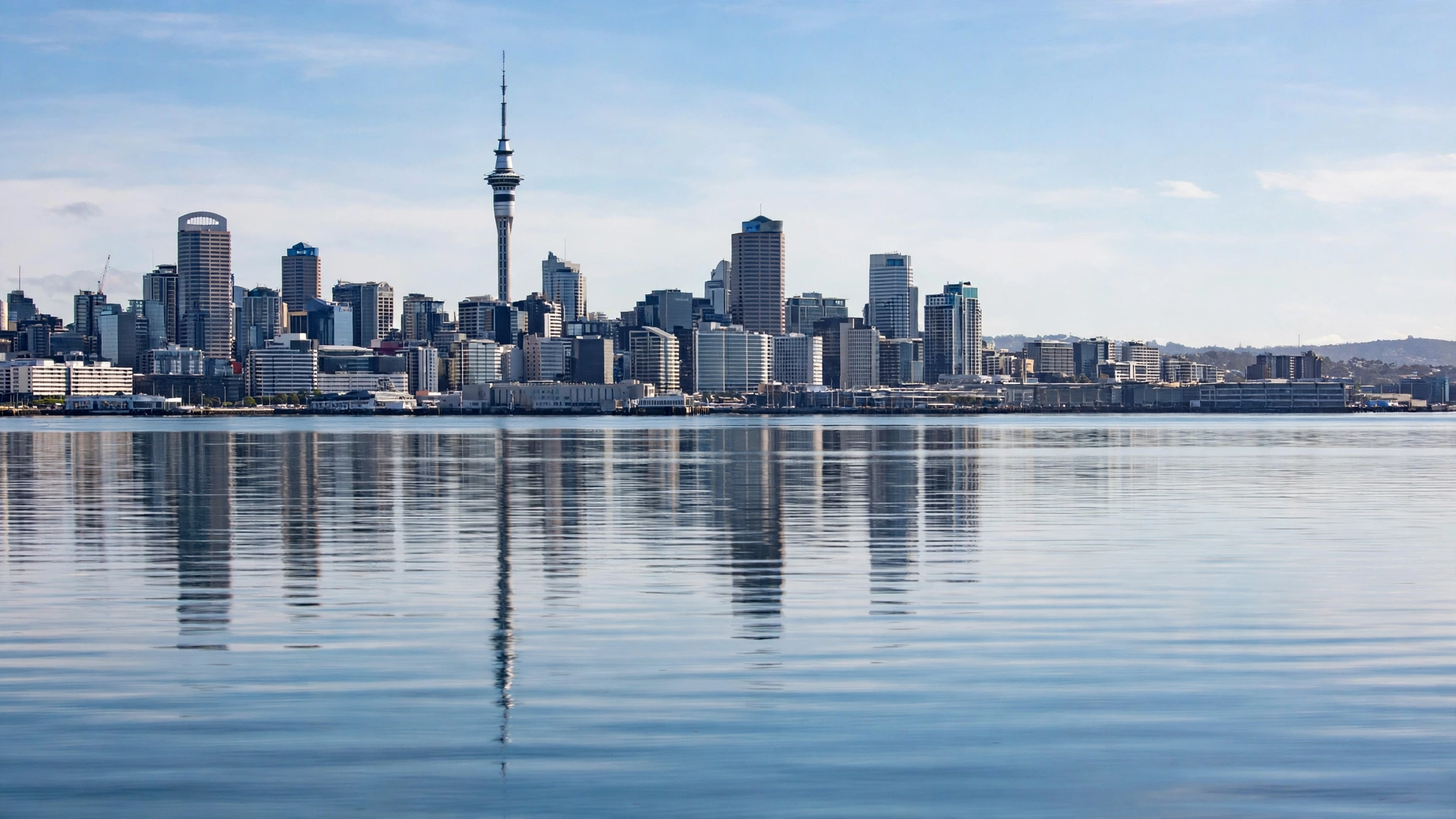
Labour leader Chris Hipkins did not concede. Addressing supporters in Wellington, he said “every vote matters. And every vote must be counted.” He said the results made clear the next parliament would require all sides to compromise, work together and find common ground.
The tight result followed a campaign fought over the cost of living and unemployment. Four of National’s most senior ministers, Nicola Willis, Paul Goldsmith, Chris Bishop and Gerry Brownlee, will not return to parliament, because they did not win a seat or the party did not win enough votes to bring in list-only members.
A new party holds the balance
The story of the night was Opportunity, a centrist party that crossed the five percent threshold to enter parliament for the first time, taking 5.9 percent of the vote and seven seats. Its leader, Qiulae Wong, 38, said the party was open to working with either of the major blocs, though it would negotiate first with the party that won the most seats.
Depending on the final tally, Opportunity could find itself in the position of deciding which bloc is able to govern, with both the right and the left groupings seeking its support.
Special votes, ballots cast outside a voter’s home electorate and votes cast overseas, are not counted until the official result is declared. In 2023, about 600,000 special votes were cast, around 21 percent of the total, and they have tended to favour parties on the left. The Electoral Commission is not due to announce the official result until November 27, and coalition talks could then take weeks.
Reporting based on coverage by CNN and BBC News.