Zelensky Offers to Halt Ukrainian Strikes on Russian Refineries If Moscow Stops Hitting Energy Grid
Ukrainian President Volodymyr Zelensky said on Sunday that Kyiv would stop attacking Russian oil refineries if Moscow halted its strikes on Ukrainian energy infrastructure — rejecting President Donald Trump's demand for a unilateral stop while offering mutual de-escalation with "real guarantees."
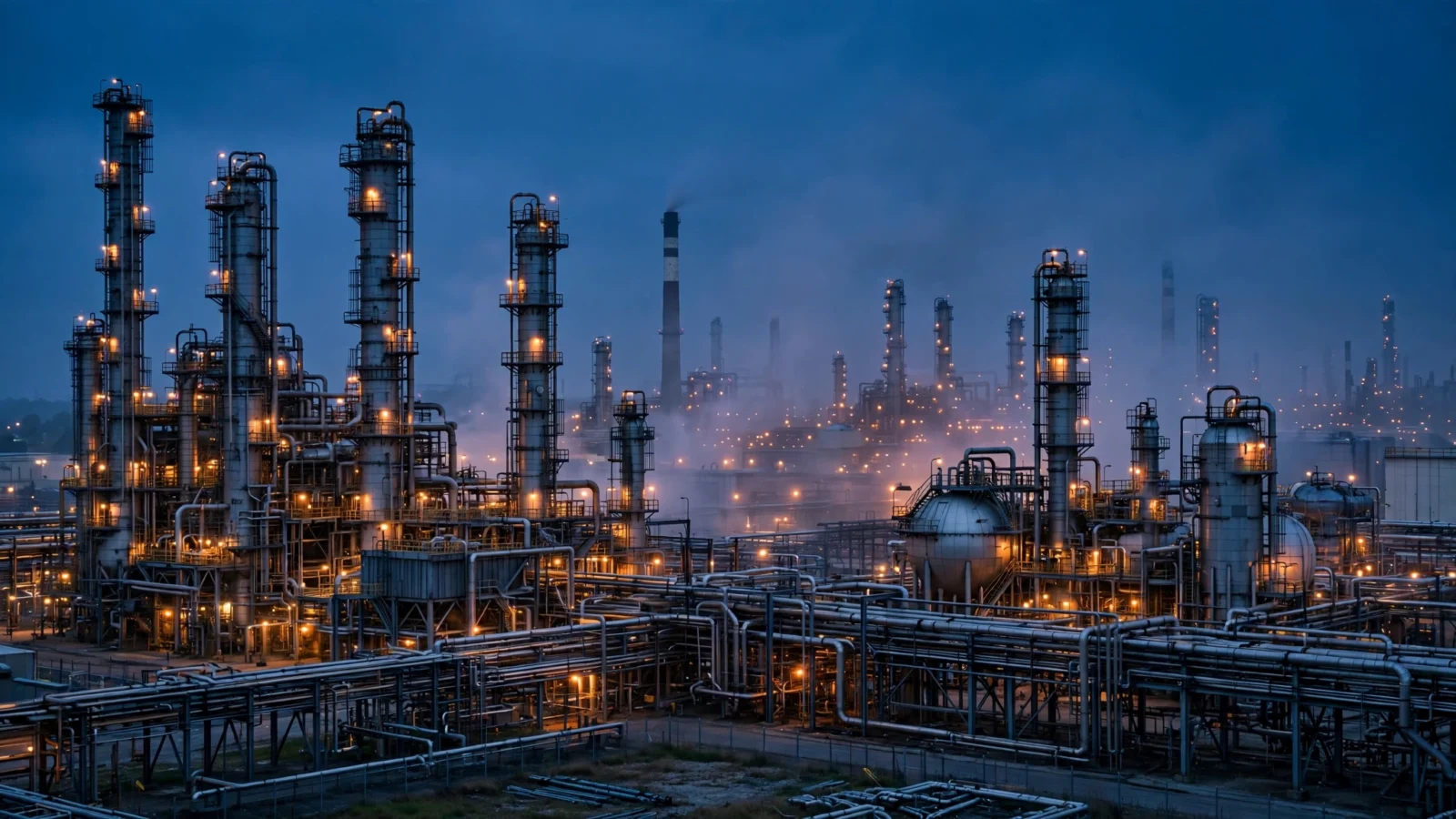
KYIV — Ukrainian President Volodymyr Zelensky said on Sunday that Ukraine is ready to halt its attacks on Russian oil refineries, but only if Moscow stops its own strikes on Ukrainian energy infrastructure — a conditional offer that answers President Donald Trump’s demand for a unilateral Ukrainian halt.
Speaking on Telegram, Zelensky said any de-escalation of the energy war must be mutual and come with “real guarantees,” according to Reuters. The offer came a day after Trump, speaking to reporters at the White House on Saturday, blamed Ukrainian strikes on Russian refineries for high American diesel prices and said Zelensky had “better damn well stop” hitting them, while repeating his call for Ukraine to replace its leader.
“The real cause of the war in Europe is Russia and Russia alone,” Zelensky said, without directly addressing Trump’s remarks. “It’s possible to stop strikes on energy infrastructure as early as today, but Putin does not want to do so.”
Diesel deal and the rising toll
The exchange follows Trump’s announcement on Friday that he had struck a deal with Russian President Vladimir Putin to supply diesel to the United States and global markets. Zelensky has sharply criticized the arrangement, saying it emboldens Moscow: after Saturday’s deadly glide-bomb attack on Zaporizhzhia, he said Russia had responded to the lifting of sanctions on diesel exports by “dropping five glide bombs on residential buildings.” Reuters reported on Sunday that the Zaporizhzhia death toll had risen to 23 people, including four children.
Rising global diesel prices — driven in part by the outbreak of the Iran war in February — have become a political liability for Trump’s Republican Party ahead of next month’s midterm elections. But analysts say the diesel deal with Moscow is unlikely to produce sustained lower fuel prices, since the volumes involved remain well below what Russia typically exports when its refineries are not under attack. The agreement has also drawn criticism in Washington, including from Representative Donald Bacon, a fellow Republican, who said it was time to apply more sanctions on Russia, not lift them.
What comes next
Zelensky said he would continue discussions with European leaders on Sunday and that daily conversations were underway about additional air defense packages. On Monday, Ukrainian Foreign Minister Andrii Sybiha is due to attend a European Union Foreign Affairs Council meeting expected to discuss tougher sanctions pressure on Russia and Ukraine’s EU accession bid. Russian state media reported that U.S. negotiators Steve Witkoff and Jared Kushner could visit Moscow within the next two weeks.
Reporting based on coverage by Reuters, via BusinessWorld and Northland News Radio.