Supreme Court Opens New Term With Big Oil’s Bid to Kill Boulder’s Climate Lawsuit
The justices return to the bench on Monday to hear ExxonMobil and Suncor argue that federal law blocks Boulder, Colorado's climate-damages lawsuit - the first test of a nine-month term that will also reach immigration policy and state bans on assault-style rifles.
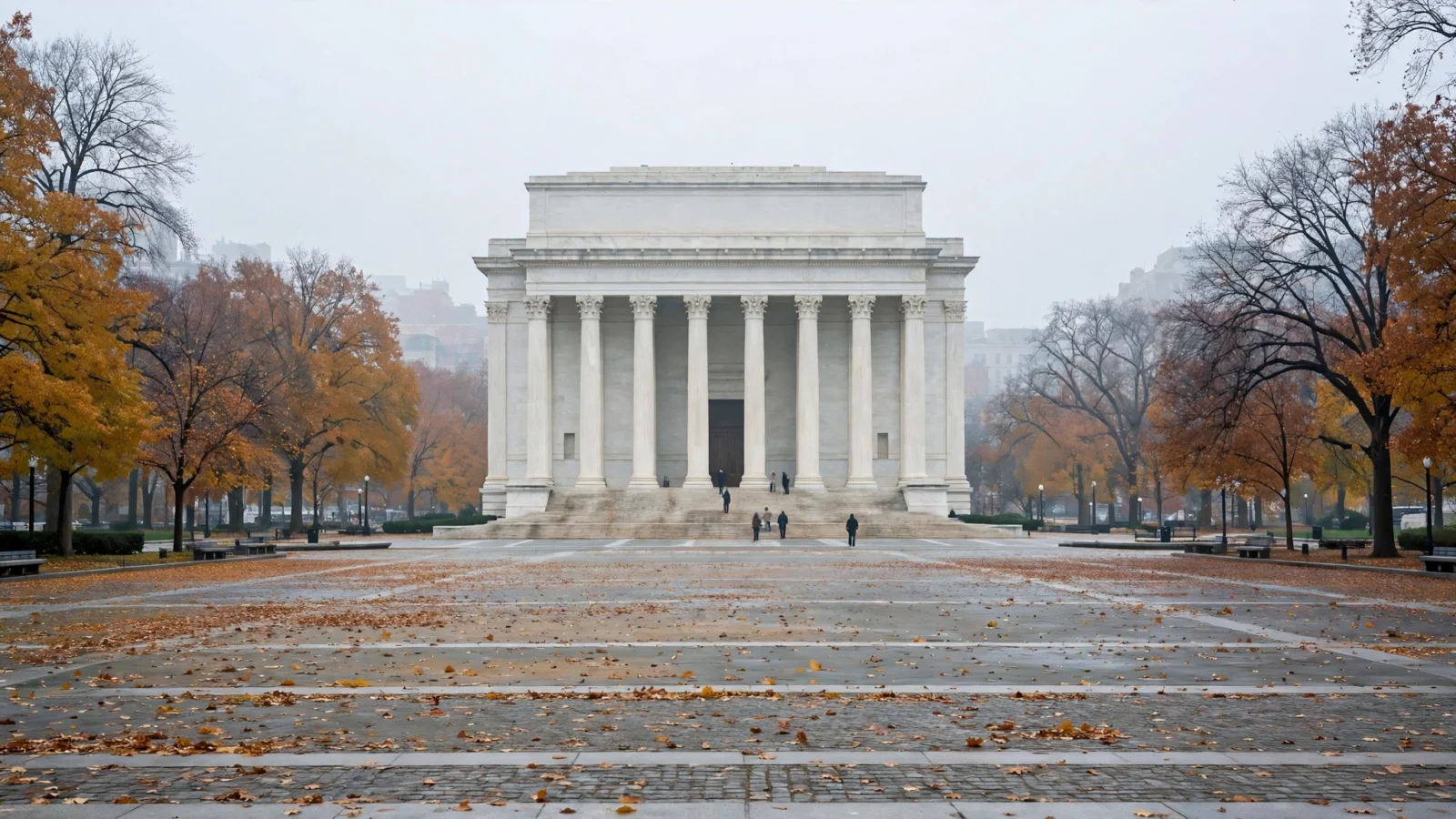
WASHINGTON – The Supreme Court opens its new nine-month term on Monday with a familiar ritual and an unfamiliar first question: whether cities and counties can use state law to make the world’s biggest oil companies pay for the local costs of climate change.
The term’s first argument, as is the court’s custom on the first Monday in October, pits ExxonMobil and Suncor Energy against the city and county of Boulder, Colorado. Boulder sued the two companies in state court, accusing them of contributing to climate change and misleading the public about the risks of fossil fuels. City and county officials want the companies held liable for past and future costs they link to a warming climate, including infrastructure repairs, environmental damage, emergency management and harms to public health, according to Reuters.
The Colorado Supreme Court allowed Boulder’s case to go forward. ExxonMobil, which is based in the United States, and Suncor, which is based in Canada, appealed to the justices, and the Trump administration has sided with the companies.
The fight is over who gets to decide
The companies are not asking the justices to rule on the science of climate change. They argue that Boulder’s claims are precluded by federal law – in effect, that emissions and the policies governing them are a national and global matter that intrudes on territory occupied by the federal Clean Air Act, and that one Colorado community cannot use state nuisance and consumer-protection claims to regulate conduct that took place far beyond its borders.
The stakes extend well past Boulder. ExxonMobil and Suncor told the court that nearly 60 state and local governments have filed similar lawsuits seeking billions of dollars from fossil fuel companies, with more still being filed, according to Reuters. A ruling for the companies could lead to many of those cases being dismissed before they ever reach a jury; a ruling for Boulder would clear the way for state courts around the country to hear them.
Energy companies and their allies have built a largely winning record before this court over the past two decades in disputes over climate liability and the reach of federal environmental regulation, according to Reuters. Monday’s argument is the latest attempt to extend that streak. Justice Samuel Alito has recused himself from the case; his financial disclosures show he owns stock in several oil and gas companies, though not in ExxonMobil or Suncor. A decision is expected by the end of June.
A term that reaches far beyond climate
The Boulder case opens a docket that will keep the court’s 6-3 conservative majority at the center of the country’s biggest policy fights. Cases already lined up for the coming months include challenges involving President Donald Trump’s immigration policies and state-level bans on assault-style rifles, according to Reuters.
Term previews by PBS and NPR also flag religious-liberty disputes, including a Colorado case over whether Catholic parishes can be excluded from a universal preschool program because they decline to follow the state’s nondiscrimination rules. Election-law cases are waiting in the wings as well, NPR reported, in a term that begins less than five weeks before the midterm elections.
For now, the spotlight stays on Boulder. Whatever the justices decide this spring will shape not just one Colorado lawsuit, but the legal map for every community trying to bill the oil industry for floods, fires and heat.
Reporting based on coverage by Reuters, PBS and NPR.