FAA Tells U.S. Airlines to Use Caution Over Saudi Arabia as Riyadh Airport Stays Closed After Houthi Attacks
The Federal Aviation Administration on Sunday urged U.S. airlines to exercise caution flying to or over Saudi Arabia after Houthi missile strikes shut down Riyadh's King Khalid International Airport, with hundreds of flights canceled and officials confirming new attacks over the weekend.
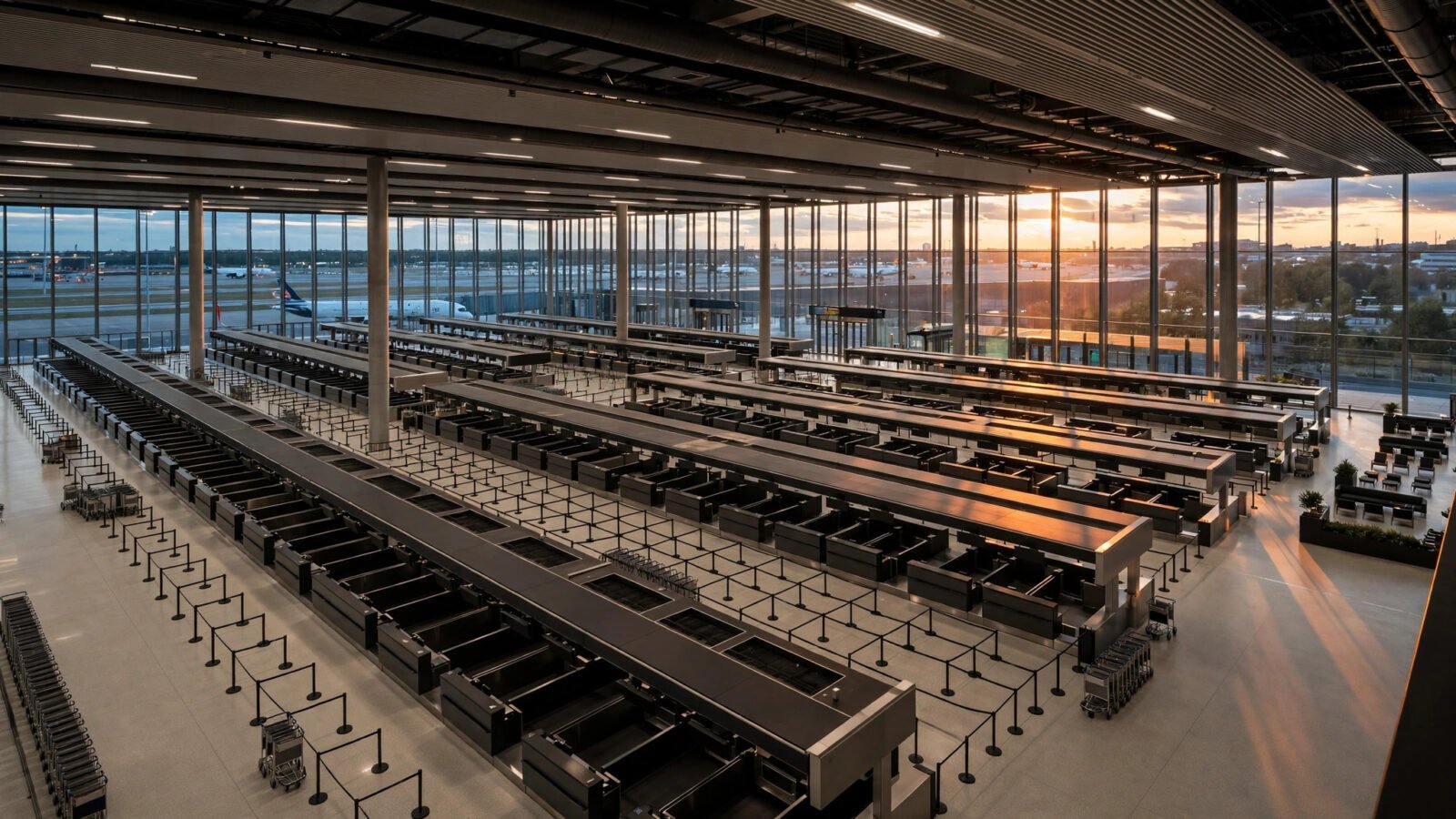
The Federal Aviation Administration on Sunday told U.S. airlines to exercise caution when flying to or over Saudi Arabia, citing safety threats and navigation system interference, as Riyadh’s King Khalid International Airport remained closed Monday with hundreds of flights canceled after two days of Houthi missile strikes.
Saturday’s missile strike on the airport killed at least 13 people, including an American, and wounded 309 others, according to Saudi authorities. An Indian citizen wounded in that attack later died, Saudi officials and the Indian Embassy said. A second strike on Sunday killed a Pakistani resident and wounded 11 others, and caused a fire in Terminal 4, the Saudi-led coalition in Yemen said.
The Houthis also claimed to have targeted King Fahd International Airport in Dammam on Sunday. Saudi Arabia’s Civil Aviation authority confirmed the airport had come under attack Sunday evening and said authorities were assessing damage.
The civil aviation authority said the Riyadh airport would remain closed Monday, with several hundred flights canceled, “to complete the necessary procedures to verify the safety and operational readiness of the airport’s facilities.”
Travel warnings spread
“Threats could pose a potential risk to aircraft at all altitudes, including overflight, the arrival, and departure phases of flight,” the FAA said in its notice to U.S. airlines. The United States, Britain, Spain and Canada are among the countries warning their citizens against using the airport, according to CNN.
The British government on Sunday warned against all but essential travel to Jeddah and Dammam, as well as to all Saudi airports except for Medina. It suggested British citizens consider departing Saudi Arabia via land to neighboring countries.
The Houthis on Sunday renewed a warning to all airlines, travelers and airport workers to stay away from Saudi airports and airspace, with the exception of airports in the holy cities of Mecca and Medina. “Saudi Arabia will bear responsibility for any failed attempts to intercept” missiles, the group said in a statement. The Houthis said the strikes were carried out in response to an intensified Saudi air campaign in Yemen that, the group claimed, launched 124 airstrikes in the previous 24 hours and caused civilian casualties.
Trump weighs joining Saudi strikes
Asked outside the White House on Saturday whether Washington planned to join Saudi strikes on the Houthis, President Donald Trump told reporters: “We may. We’re going to look at it. We just found out about the recent attack, so we’ll make a decision. We move very quickly.”
Trump said he planned to speak with Saudi Crown Prince Mohammed bin Salman, calling the Riyadh airport strike “not acceptable.” According to CNN, Trump rejected two appeals from the crown prince for U.S. strikes against the Houthis last month, having previously resisted Saudi requests for direct military intervention.
Secretary of State Marco Rubio confirmed that a U.S. citizen was among those killed, condemning the attacks as showing “a blatant disregard for innocent civilian life.” United Nations Secretary-General António Guterres said attacks on civilians and civilian infrastructure are a violation of international law.
The attack was the deadliest on Saudi soil in more than a decade, and came amid an intensification of fighting between the Iran-backed Houthis and Saudi-backed Yemeni government forces. Saudi Arabia has for 11 years tried to contain the conflict on its southern border through both military force and diplomacy, and the escalation threatens the kingdom’s broader ambitions to become an international destination for business and tourism. On Sunday, the Saudi energy ministry said the World Petroleum Congress began as scheduled in Riyadh, though it was unclear how many delegates attended, with several major oil companies not represented, according to CNN.
Reporting based on coverage by CNN and Reuters.