Nations Split Over 1.5-Degree Goal as COP31 Climate Talks Reach Midpoint
At the COP31 climate talks in Antalya, countries are divided over whether to keep the 1.5-degree Celsius goal in the final deal, after the United Nations said the threshold would be missed.
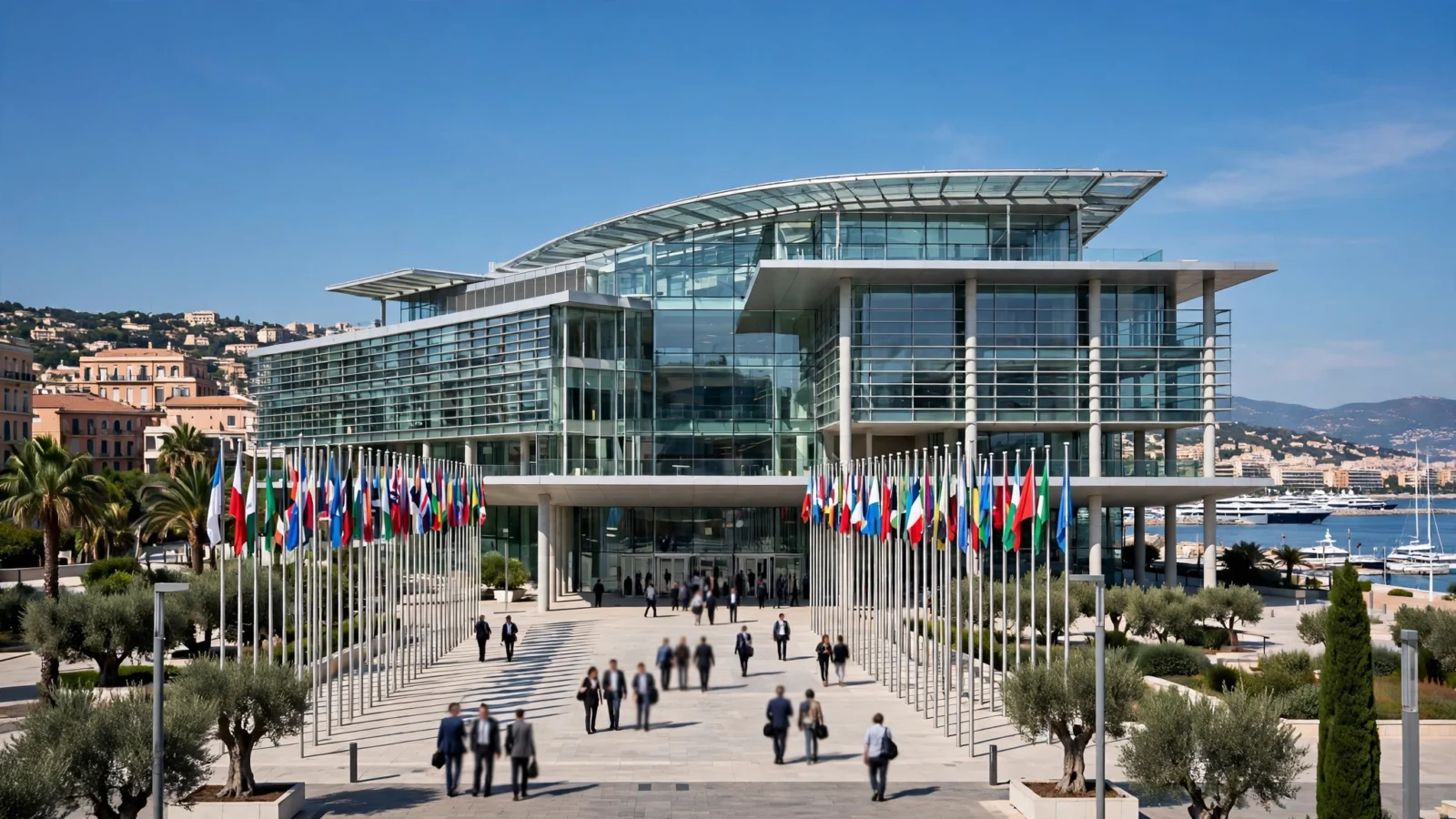
Countries at the COP31 climate talks in Antalya, Turkey, are split over the fate of the 1.5-degree Celsius goal, as negotiations reach their midway point with no agreement on whether the target should stay in the final deal.
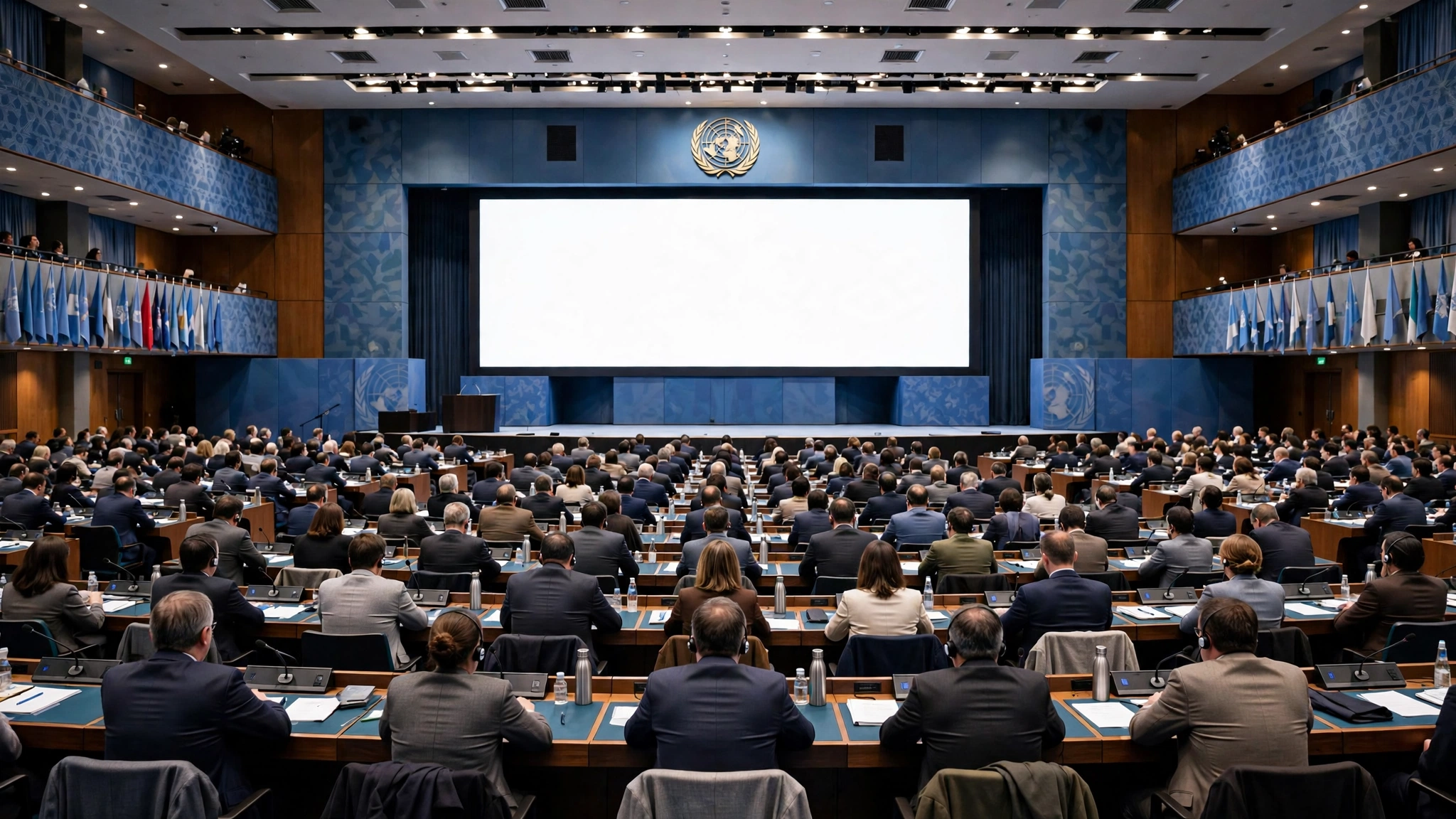
The talks are the first since the United Nations said the 1.5-degree threshold would be missed. The UN declared in September that crossing it, the most ambitious target of the Paris Agreement, was imminent and unavoidable. The world has already warmed about 1.4 degrees above pre-industrial levels.
Some countries want the final deal to affirm that 1.5 degrees remains the “right goal,” according to a summary of negotiating positions released by Australia, which is chairing the talks. There is also a push for language about returning to 1.5 degrees “as soon as possible” and that global temperatures are “still able” to be lowered once the threshold is passed.
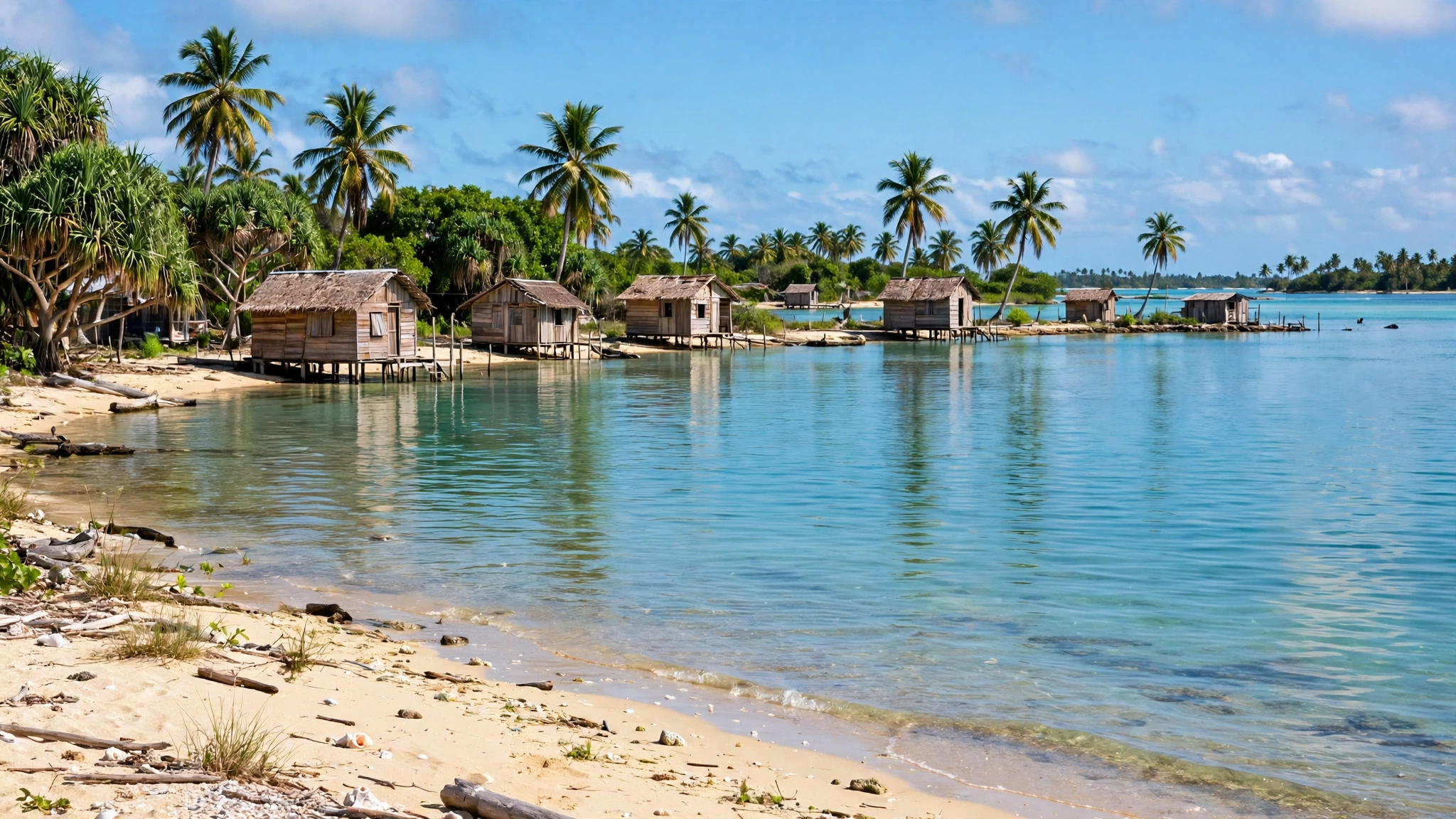
For island nations on the front line of rising seas, the goal is a matter of survival. Palau President Surangel Whipps Jr told world leaders in Antalya that 1.5 degrees was not “an abstract target.” “It is an existential threat to our food, our economies and sovereignty,” he said.
A push to drop the goal
Others at the talks see a chance to drop 1.5 degrees altogether. Several observers of the closed-door negotiations told AFP that the Arab Group and the Like-Minded Developing Countries, two negotiating blocs that include Saudi Arabia and India, were among those seeking to jettison the target. One senior delegate from a Western nation warned of a “potential backsliding” in climate action if those efforts succeed.
Jasper Inventor, head of Greenpeace’s delegation in Antalya, said some developing nations worried that a stronger reference to 1.5 degrees could mean greater pressure to cut emissions without extra financial help.
What happens after the threshold is crossed
In September, the UN Environment Programme published a study of “overshoot” scenarios, looking at how the world might bring temperatures back down to 1.5 degrees by 2100 once the threshold is breached. At COP31, outgoing UN chief Antonio Guterres said any overshoot must be “as small as possible for as short a time as possible.”
Under the Paris Agreement, nearly 200 nations agreed to keep warming “well below” 2 degrees while pursuing efforts to limit it to 1.5 degrees. Beyond 1.5 degrees, scientists say, the risks of global warming rise sharply, from more severe floods and heatwaves to irreversible changes such as the permanent loss of coral reefs.
Whether warming can be reversed to 1.5 degrees is uncertain, said Pierre Friedlingstein, a climate scientist at the University of Exeter and lead author of the Global Carbon Budget study. Getting there would require emissions to fall fast and carbon to be removed from the atmosphere, through natural means such as planting trees and restoring wetlands or through new technologies. “A massive roll-out of these new technologies” would be needed at an enormous scale over decades, Friedlingstein told AFP. “It is not something I would call utopian but it is certainly extremely ambitious,” he said.
Reporting based on coverage by AFP and Rapporteur.