Trump Administration Asks Supreme Court to Let EPA Cancel $16 Billion in Climate Grants
The Trump administration asked the Supreme Court to let the Environmental Protection Agency cancel $16 billion in climate grants, a case the government calls the largest grant cancellation dispute ever.
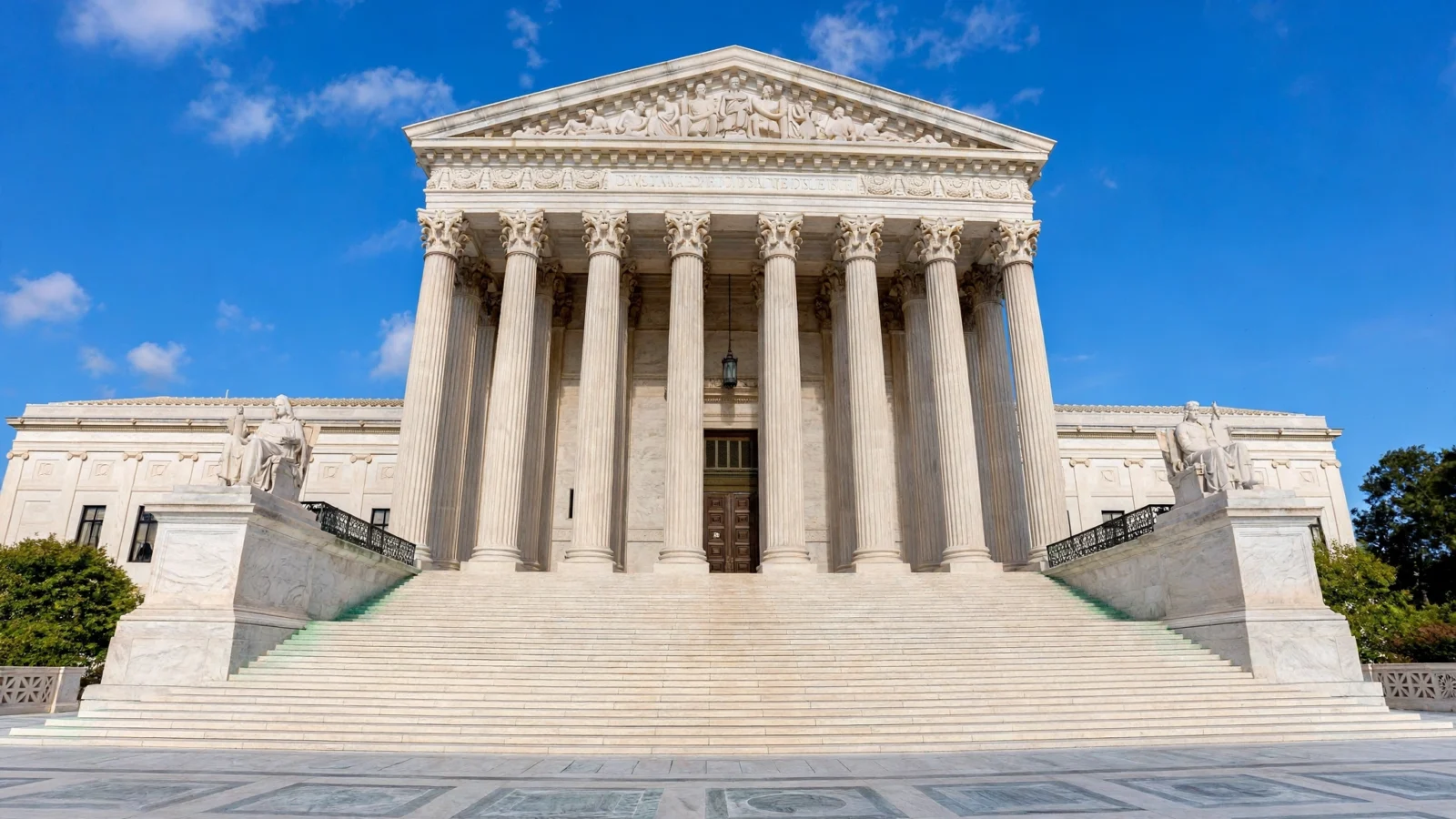
The Trump administration has asked the Supreme Court to let the Environmental Protection Agency cancel $16 billion in grants for a climate program, a case the government describes as the largest grant cancellation dispute ever.
The justices have not said whether they will take the case. If they do, the ruling could resolve a fight over grants the EPA rescinded in 2025 and affect the administration’s wider effort to end funding for programs started under prior administrations.
The green bank at the center of the case
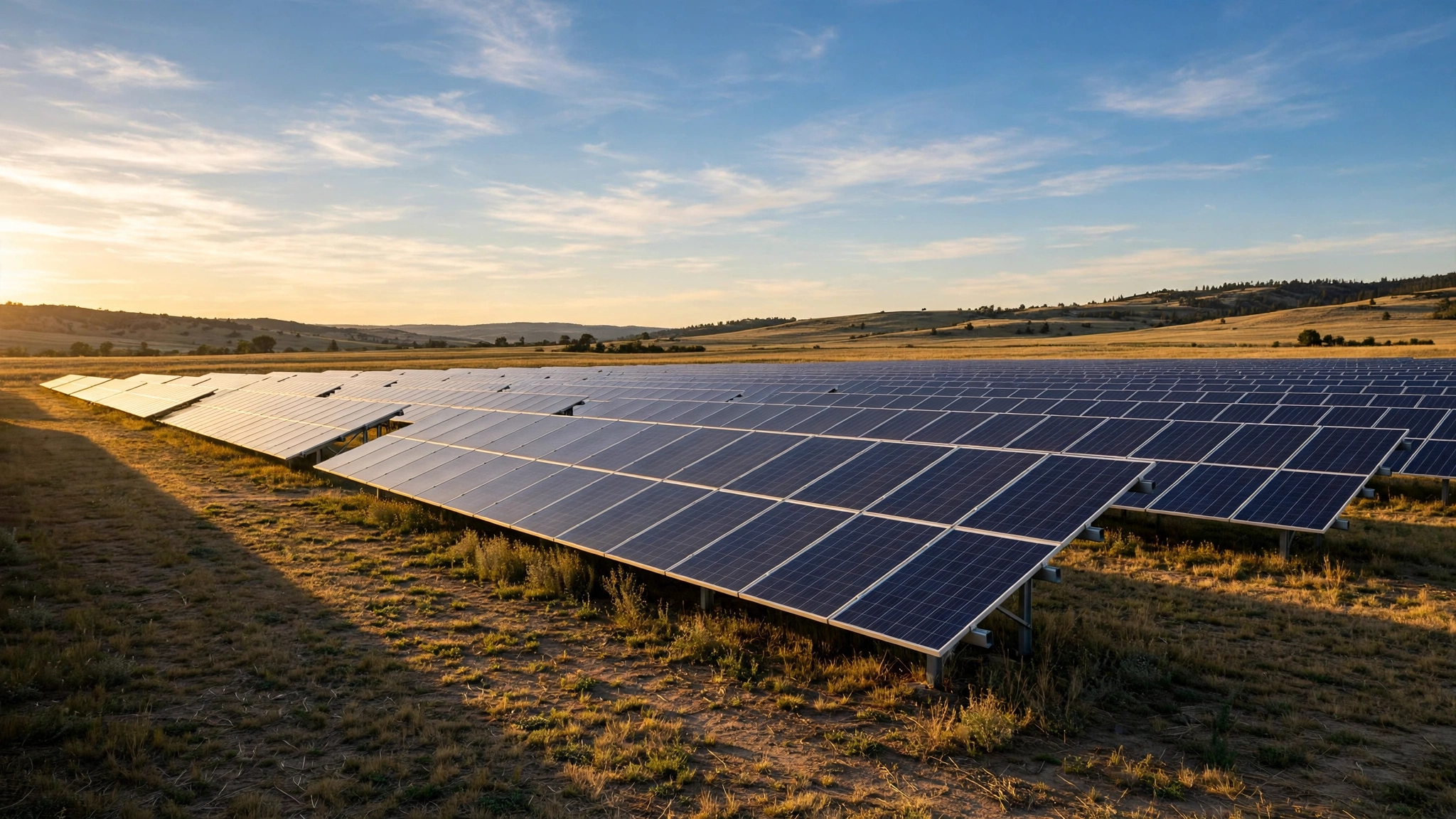
At issue is the Greenhouse Gas Reduction Fund, often called a “green bank.” Congress created the fund under the 2022 Inflation Reduction Act, and the Biden administration picked Climate United Fund and other nonprofits to run the program, which finances clean energy projects.
The EPA canceled the nonprofits’ grants soon after the start of President Donald Trump’s second term in January 2025. EPA Administrator Lee Zeldin accused the groups of mismanagement and potential fraud. The nonprofits sued, arguing the EPA broke the law and violated the Constitution, and asked for access to the grant money so they can run the program.
In August, a divided federal appeals court in Washington sided with the nonprofits and ruled that the administration had improperly ended the grants. The release of any money was paused to give the Supreme Court a chance to weigh in. If the justices decline to take the case, the groups could regain access to their money.
Two different views of the dispute
The administration argues the case belongs in the Court of Federal Claims, not a federal district court, under the Tucker Act, which gives that court sole authority over contract disputes. The government also says it is immune from the legal and constitutional claims the groups raised. The nonprofits argue the EPA’s action was not a simple contract dispute but an unlawful move that cut spending Congress had required.
Romany Webb, deputy director of the Sabin Center for Climate Change Law at Columbia University, said a ruling for the EPA could “have far-reaching implications for the government’s ability to reshape grant programs and to terminate grants that do not advance a particular administration’s policy priorities.” Webb has supported Climate United’s arguments.
The case has a long record. U.S. District Judge Tanya Chutkan ruled that when the government was asked for evidence of fraud, the EPA did not provide it and shifted its position to broader concerns about oversight of the program. Chutkan said the government cannot end the contracts in violation of the law and that the groups should have access to some of their frozen money, which is held in an account at Citibank.
Zeldin told Fox News last year that he suspected the green bank “was a clear-cut case of waste and abuse.” The EPA and Climate United declined to comment on the Supreme Court filing.
Congress also changed the law after the grants were canceled. A tax and spending bill passed last year rescinded part of the law that created the bank and the money that had not already been promised to recipients. The EPA has said those changes mean it should not have to release any money to the groups.
Bob Wagman, president of the Court of Federal Claims Bar Association and a partner at White & Case, said the administration’s broad use of contract cancellations to carry out policy was a new approach. “I would hate to think that the only programs that could be supported have a four-year life,” he said, pointing to cancer research as a program that needs longer than one administration to pay off. “It is just not good for the country.”
The justices ruled for the administration recently in cases over canceled National Institutes of Health grants and teacher training grants. The EPA said in its filing that the $16 billion at stake is the largest grant cancellation case ever and another reason the court should take it up.
Reporting based on coverage by the Associated Press.