More Than a Million People Join General Strike Across Italy Over Wages and Public Spending
Italy's largest union, CGIL, led a full-day general strike on Friday as workers and students marched in more than 100 cities against Prime Minister Giorgia Meloni's 2027 budget, which the union says does too little for wages and public services.
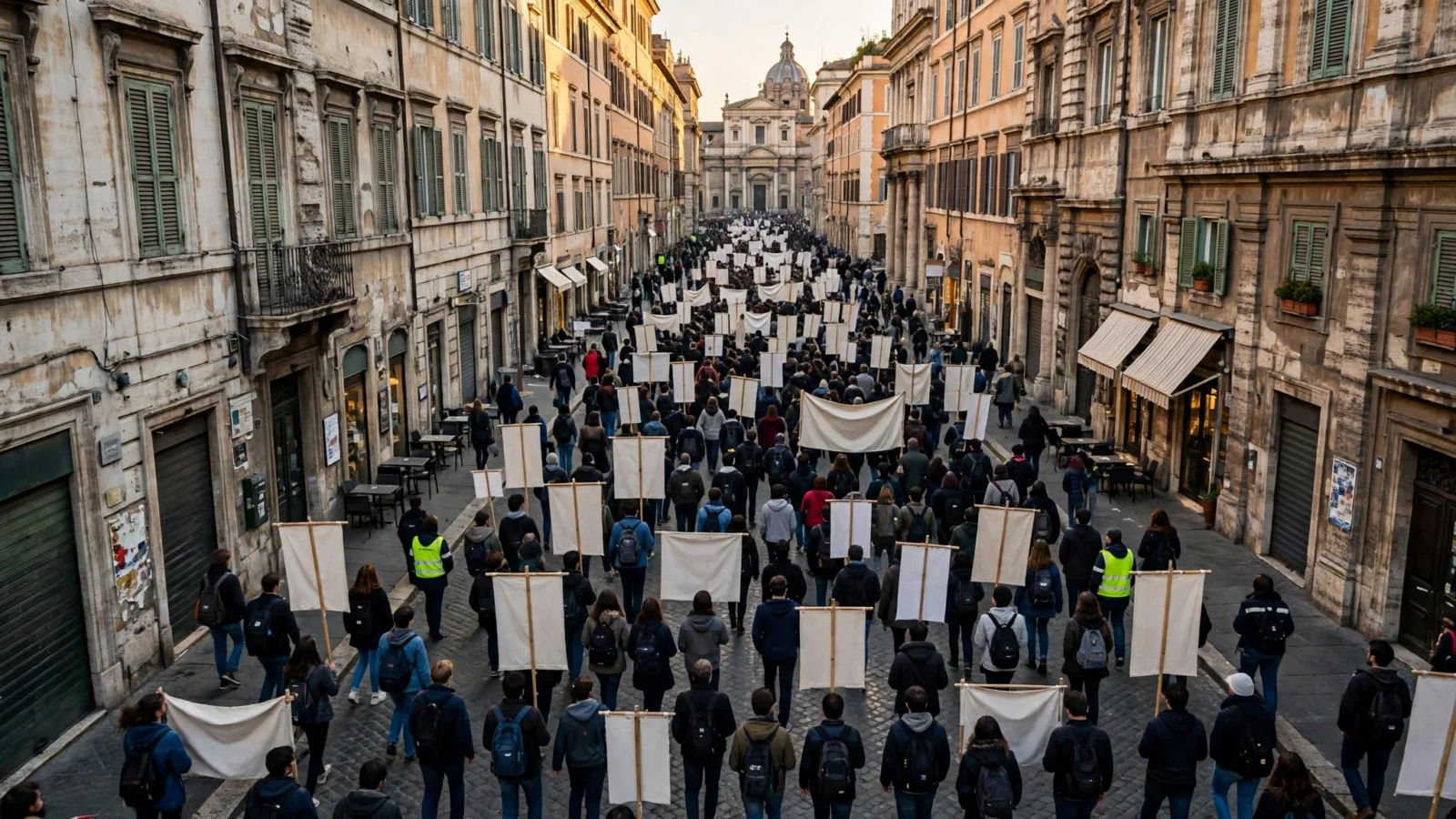
Tens of thousands of workers and students took to the streets across Italy on Friday as the country’s largest trade union, CGIL, staged a general strike, demanding higher wages and more spending on public services. Demonstrations were held in more than 100 cities, from Milan and Turin in the north to Naples, Palermo and Rome in the south.
CGIL leader Maurizio Landini told the main rally in Rome that more than one million people had taken part in demonstrations across the country. The Interior Ministry said it was too early to give its own estimate.
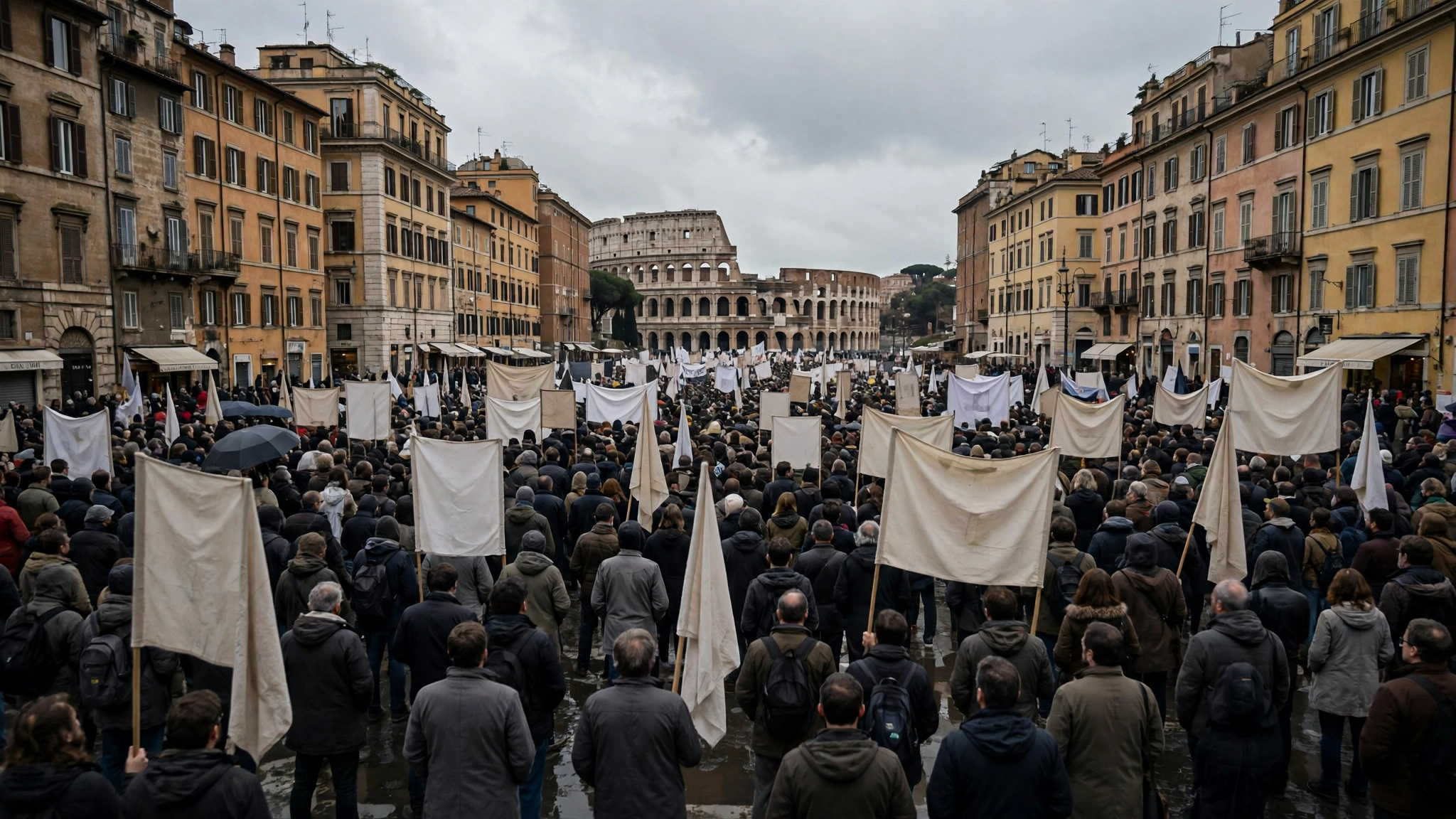
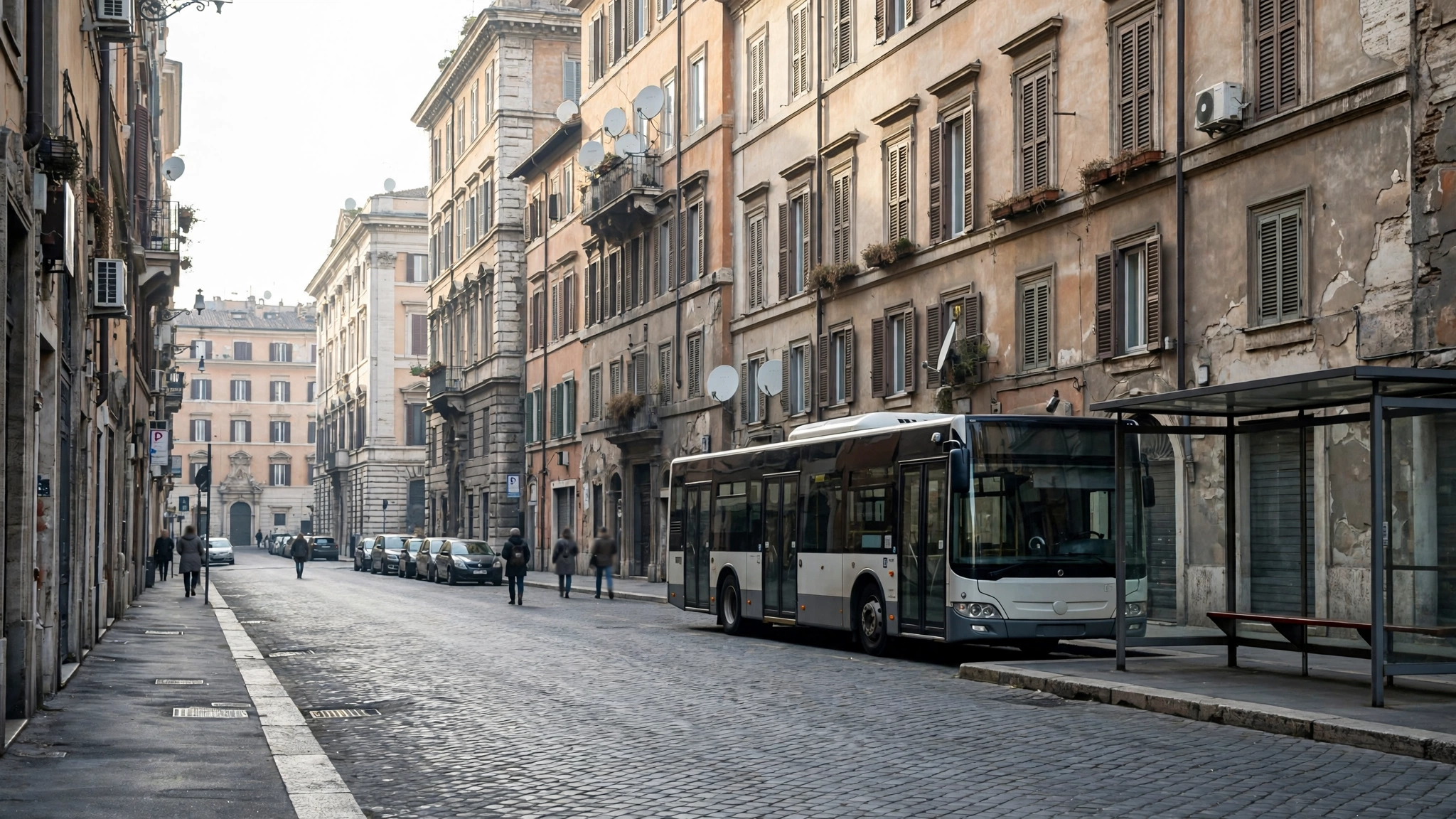
The strike ran for the full working day and covered workers in both the private and public sectors, including schools and health care. Air and rail services were left out of the CGIL action, and minimum-service rules limited the effect on local public transport. A separate rail strike was set to start at 9 p.m. Friday and run until 8 p.m. Saturday. Grassroots unions, including Cobas, called separate stoppages of their own.
What the union wants
The union wants wage increases and contract renewals to make up for buying power lost to inflation, full indexation of pensions, and measures to stop the retirement age from rising. Parliament is examining Meloni’s 26 billion euro ($30 billion) budget for 2027, which CGIL says does not go far enough to support incomes and public services. The Italian financial paper ItaliaOggi reported that only a small part of the budget is aimed at people under 35.
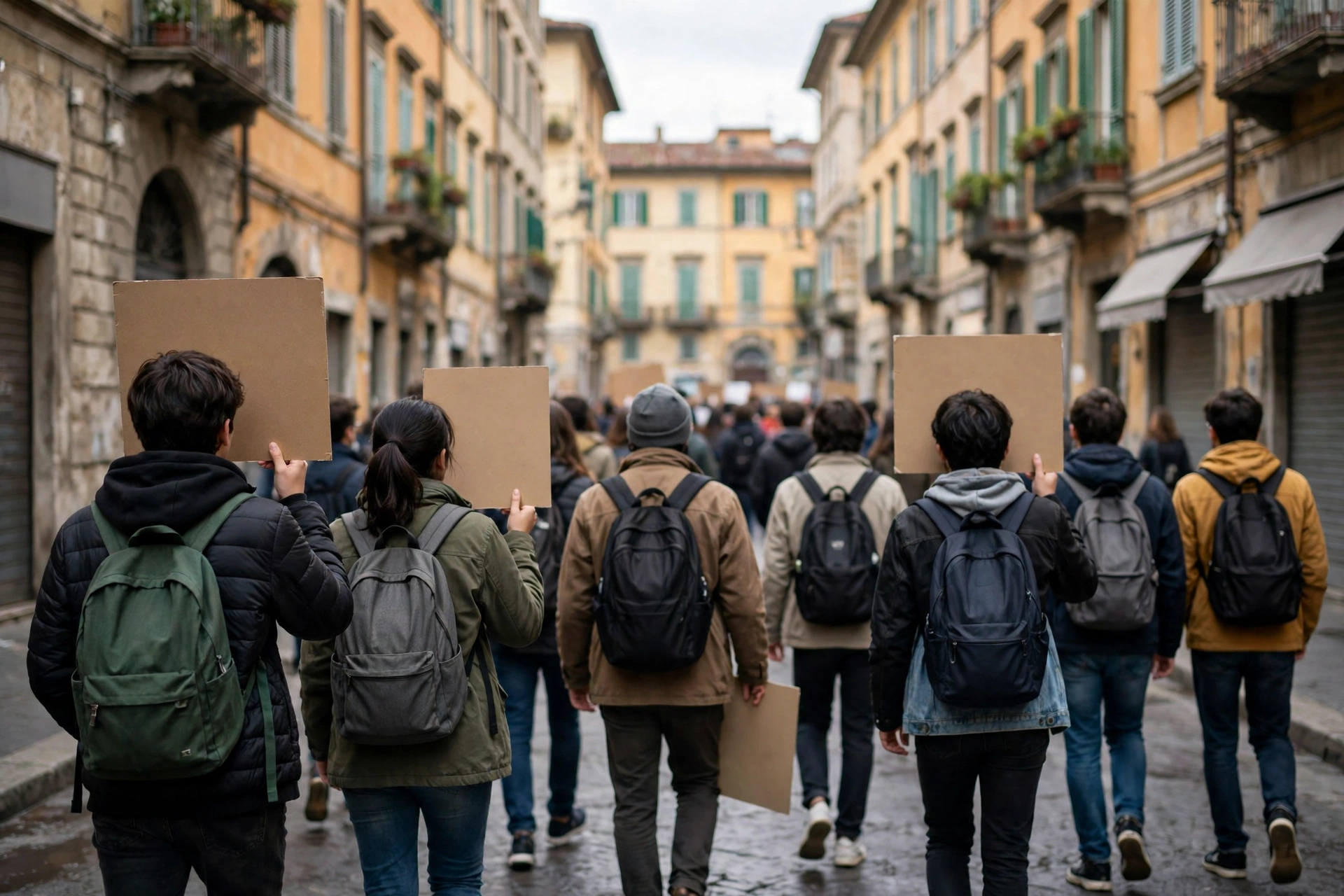
“People have very basic problems: they struggle to make ends meet and therefore need higher wages; they need a healthcare system that works; young people need schools that work,” Landini said. “This budget does not address a single one of them.”
Students were a large part of the day. The action fell on an international day of student mobilization, and student protests were also planned in Germany, France, Britain, Austria, Belgium and Spain over living costs and military spending. In Croatia, students boycotted classes and protested in about a dozen cities. In Austria, several hundred people gathered outside the University of Vienna, and police said officers used pepper spray and made several arrests after reported disturbances. In Germany, demonstrators called for more education funding and opposed a possible return to compulsory military service.
Government response
Industry Minister Adolfo Urso called the strike a “pre-emptive strike,” saying Landini had called it before he even knew what was in the budget. Urso also said on Sky TG24 that he had “great respect” for the demonstrators and for those who had tabled amendments in parliament, where he said the budget would be improved.
The protests come as Italy prepares for a parliamentary election due in 2027. Friday’s action followed a nationwide mobilization on October 30, when thousands of students joined striking workers to demand more money for education and relief from rising living and housing costs. Student groups have kept up protests and occupations at schools and universities since then, with opposition to higher military spending also becoming a rallying cry.
“We are living under a government that, piece by piece, is cutting healthcare and education, taking away our present and trying to rob us of our future,” said Laura Peritore, 24, a university student. “We are making it clear that we will not back down and will take our future back.”
Reporting based on coverage by Reuters and The Associated Press.