Judge Pauses Army Plan to Detonate Five Tons of Lead Explosive at Iowa Munitions Plant
A federal judge ordered the Army to pause a planned detonation of about five tons of degrading lead azide at the Iowa Army Ammunition Plant in Middletown, after environmental groups sued over the EPA permit and residents raised concerns about lead dust spreading across Iowa and into Illinois.
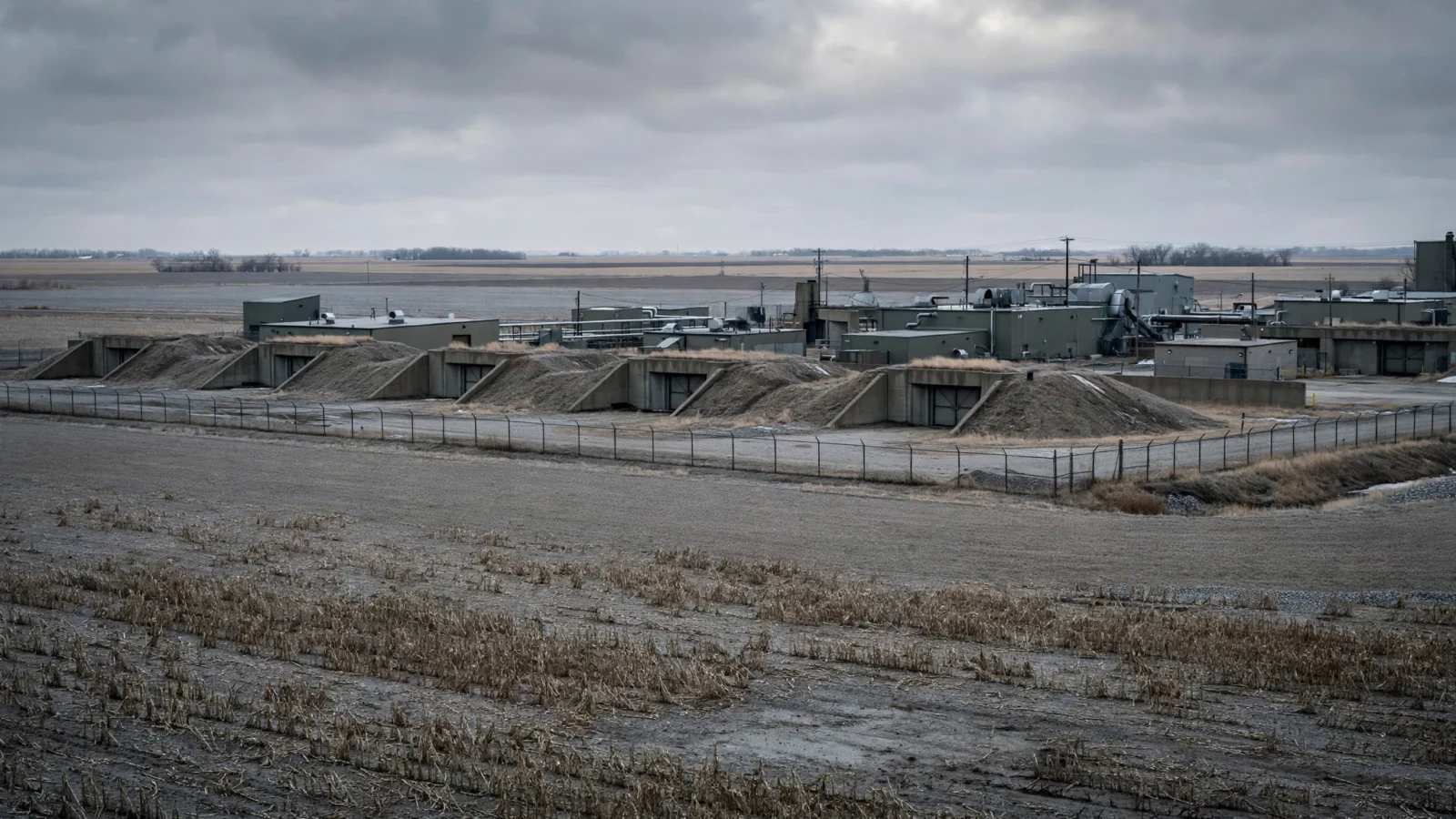
A federal judge has ordered the U.S. Army to pause its plan to detonate about five tons of lead azide at a munitions plant in southeastern Iowa, after environmental groups sued over the emergency permit that would allow the blast.
The detonation at the Iowa Army Ammunition Plant in Middletown was first set for Friday morning, then moved to Monday after the lawsuit and growing opposition from residents and officials in Iowa and Illinois. A judge in the Eighth Circuit Court of Appeals issued the pause on Thursday. The order did not say when the court would act next, and the Environmental Protection Agency said in a court filing that it planned to file a response by Sunday.
The Army, working with the EPA, plans to destroy nearly 70 drums of lead azide, a compound used to set off munitions. The Army says it found the material degrading in bunkers in March and judged it extremely unstable and sensitive to even slight friction or movement. Packing and moving it would pose an unacceptable risk of an accidental detonation, according to an Army fact sheet given to the community.
Why the Army says the blast is needed
Acting Army Secretary Adam Telle said officials studied the disposal options and decided a controlled detonation was the choice that posed the lowest risk to the public. The EPA emergency permit, in effect from November 13, 2026 through February 11, 2027, allows the detonation in that window. Telle has said Monday would be the latest possible date before a forecast temperature drop that could further destabilize the material.
The pushback from Iowa and Illinois
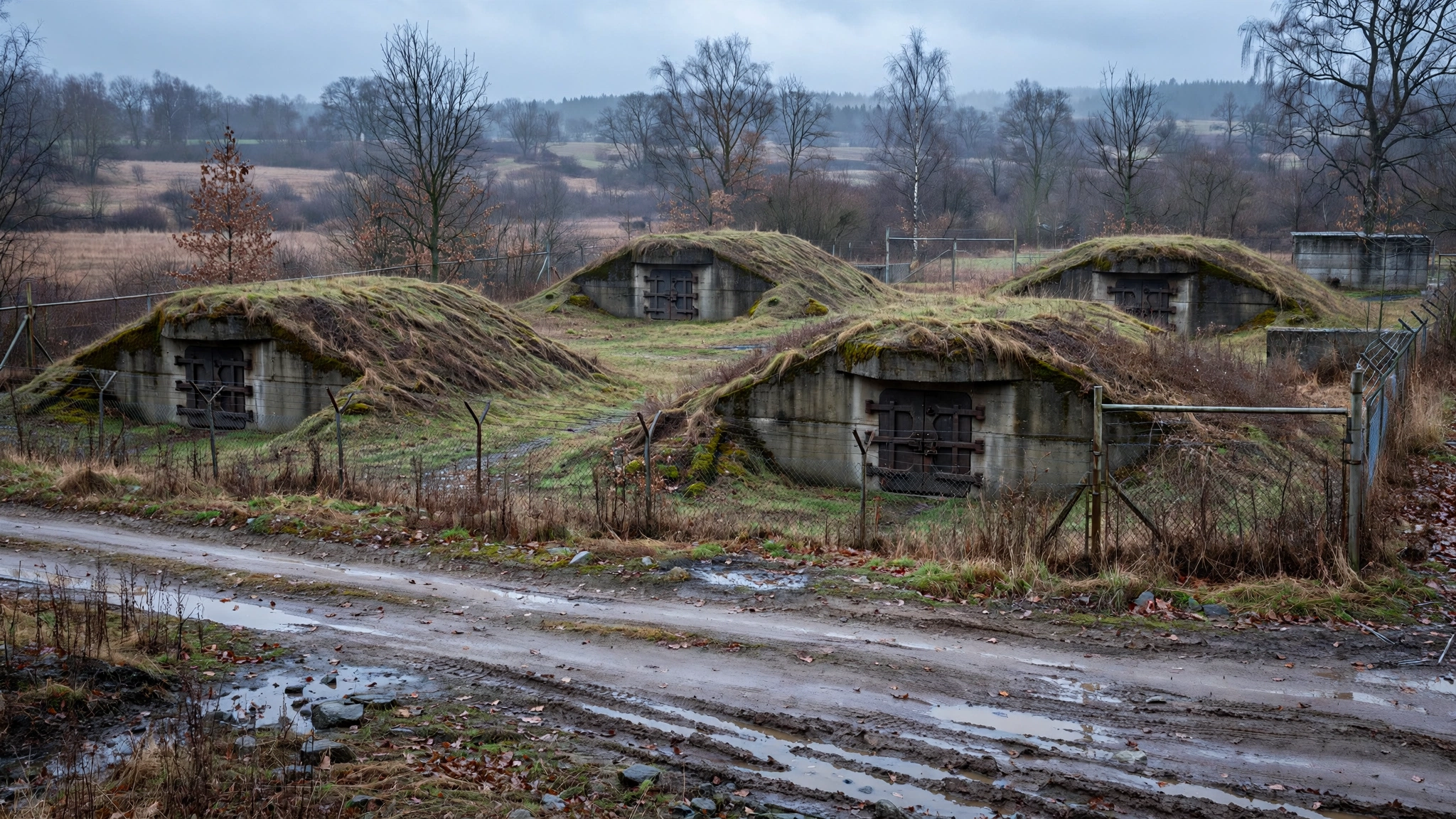
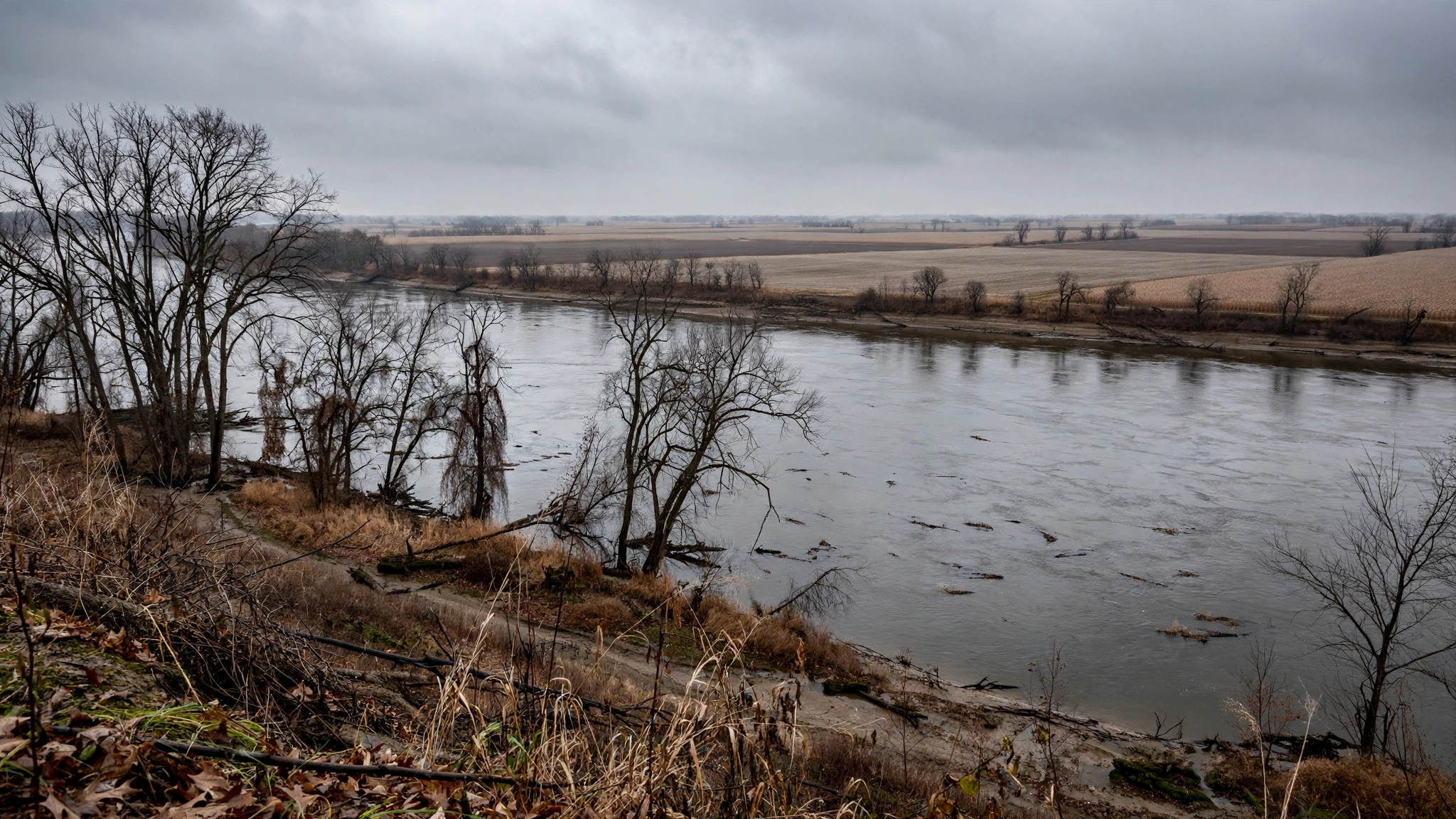
Residents and environmental advocates worry the blast would send lead dust over wide areas of rural Iowa, the Mississippi River and parts of western Illinois.
Iowa Gov. Kim Reynolds activated a state emergency operations center on Friday, and Illinois Gov. JB Pritzker said he spoke with Telle and urged more transparency.
Senator-elect Josh Turek of Iowa has called for a delay, citing worries from Iowans about lead exposure, and Rob Sand, the incoming governor, said the public deserves to know why other options were worse if this is the safest one.
There is no safe level of lead in the body, Illinois public health director Sameer Vohra said in a statement, and lead that is breathed in or swallowed can pose serious health risks. The U.S. Centers for Disease Control and Prevention says lead exposure can slow growth and development in children and cause problems with learning, behavior, hearing and speech. In a joint statement Friday, the Army, the EPA and the Department of Health and Human Services said the agencies were working together to carry out the detonation in the safest way possible.
Reporting based on coverage by CNN.