China, Japan, Singapore, Malaysia, Thailand and the European Union reject U.S. overcapacity claim behind new tariff plan
China, Japan, Singapore, Malaysia, Thailand and the European Union on Thursday rejected the U.S. claim of excess manufacturing capacity behind proposed tariffs on 14 economies. Japan said it protested to Washington, and China said it would defend its interests.
China, Japan, Singapore, Malaysia, Thailand and the European Union pushed back on Thursday against a U.S. plan for new tariffs on 14 economies, rejecting the claim that their manufacturing policies create excess capacity, according to the Associated Press.
The U.S. Trade Representative announced the proposal on Wednesday after a months-long Section 301 investigation. U.S. Trade Representative Jamieson Greer said he had determined that practices of the 14 economies relating to excess capacity and production in manufacturing were unreasonable and burdened or restricted U.S. commerce, according to AP.
The tariffs are likely to take effect early next year, according to AP. The report said the plan is intended to help reinstate duties on most of the economies after a U.S. Supreme Court ruling in February struck down most of President Donald Trump’s earlier tariffs.
Japan, Singapore and Malaysia dispute the U.S. finding
Japan, which faces tariffs of up to 15%, said it had protested to Washington. Chief Cabinet Secretary Minoru Kihara told a news conference that Japan has no non-market policies or practices, or structural excess production capacity, according to AP.
Singapore, facing a rate of up to 20%, said it was very disappointed with the proposal. Its Ministry of Energy, Trade and Industry said the city-state’s economic policies do not protect its domestic market or subsidise manufacturing for export, according to AP.
Malaysia said it does not have excess capacity in its manufacturing sectors that distorts or disrupts global markets, and said it would continue to engage and consult with the U.S., according to AP. Vietnam, facing tariffs of up to 35%, said it was working with the U.S. on a trade deal. In Thailand, government spokesperson Lalida Persvivatana said the proposal, which caps tariffs at 18%, was more favourable than expected, and that the government would keep negotiating.
China and the EU reject the premise, and a truce is extended
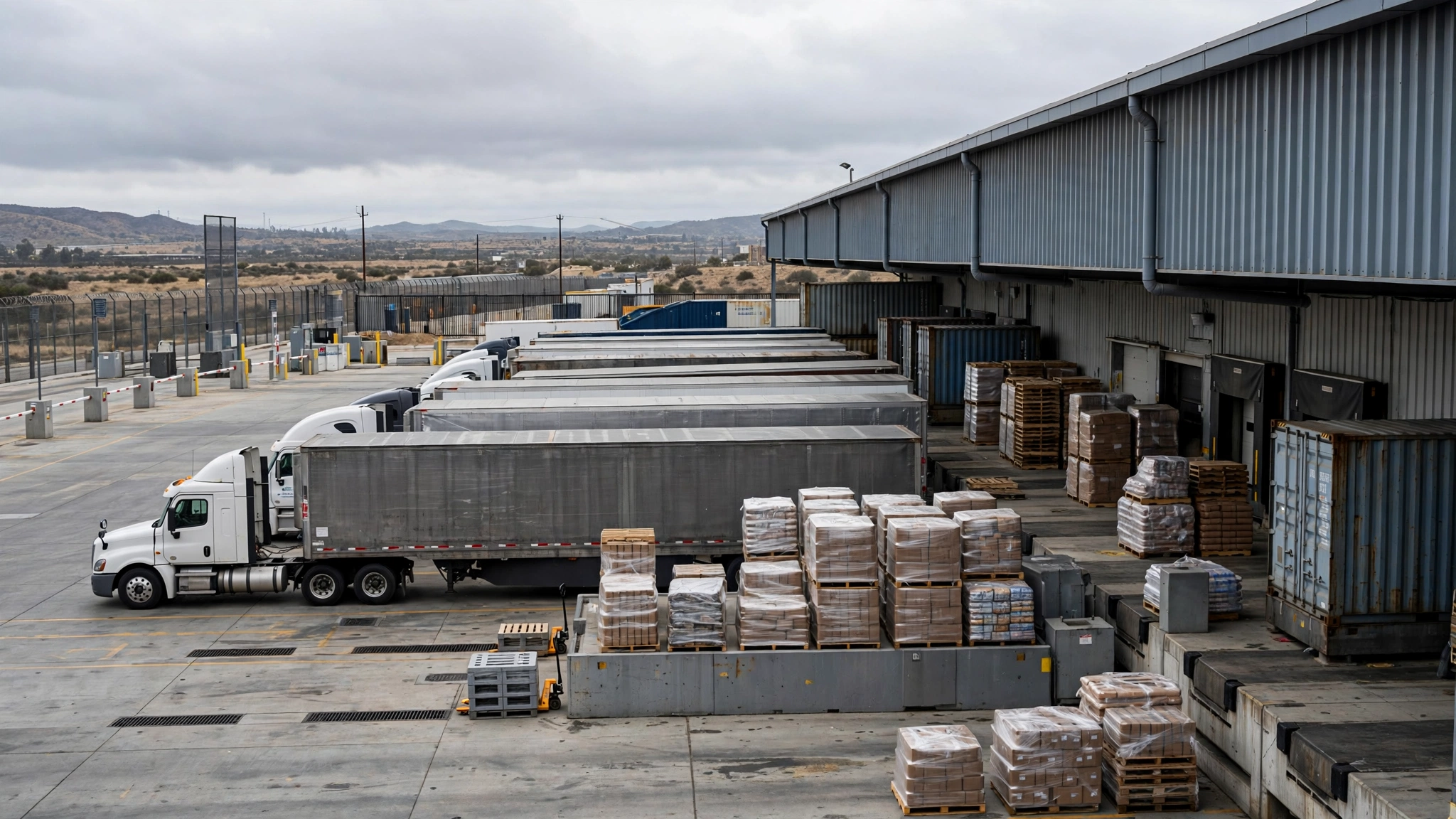
The EU, which could face a 15% rate, rejected the premise that Europe is a source of structural overcapacity, according to AP. China faces a 20% tariff that could double to 40% if the U.S. finds it is not engaging adequately. Beijing called the notion of overcapacity a false premise, according to AP.
Chinese Foreign Ministry spokesperson Guo Jiakun said China opposed the use of overcapacity as a pretext for political manoeuvring and said Beijing would take necessary measures to defend its legitimate rights and interests, according to AP coverage published by The Business Standard.
AP also reported that the U.S. and China have extended by two months a trade truce that is set to expire on Jan. 10, 2027. Stephen Brown, chief economist at Capital Economics, told AP the new duties largely replace earlier U.S. tariffs announced in July and would still likely push prices higher.
Reporting based on coverage by the Associated Press, via Business News Malaysia and The Business Standard.