New Zealand coalition falls one seat short of majority in final count, leaving Opportunity Party as kingmaker
Final results from New Zealand's Nov. 7 election gave Prime Minister Christopher Luxon's coalition 65 of 130 seats, one short of a majority. The centrist Opportunity Party, with seven seats, now holds the balance of power.
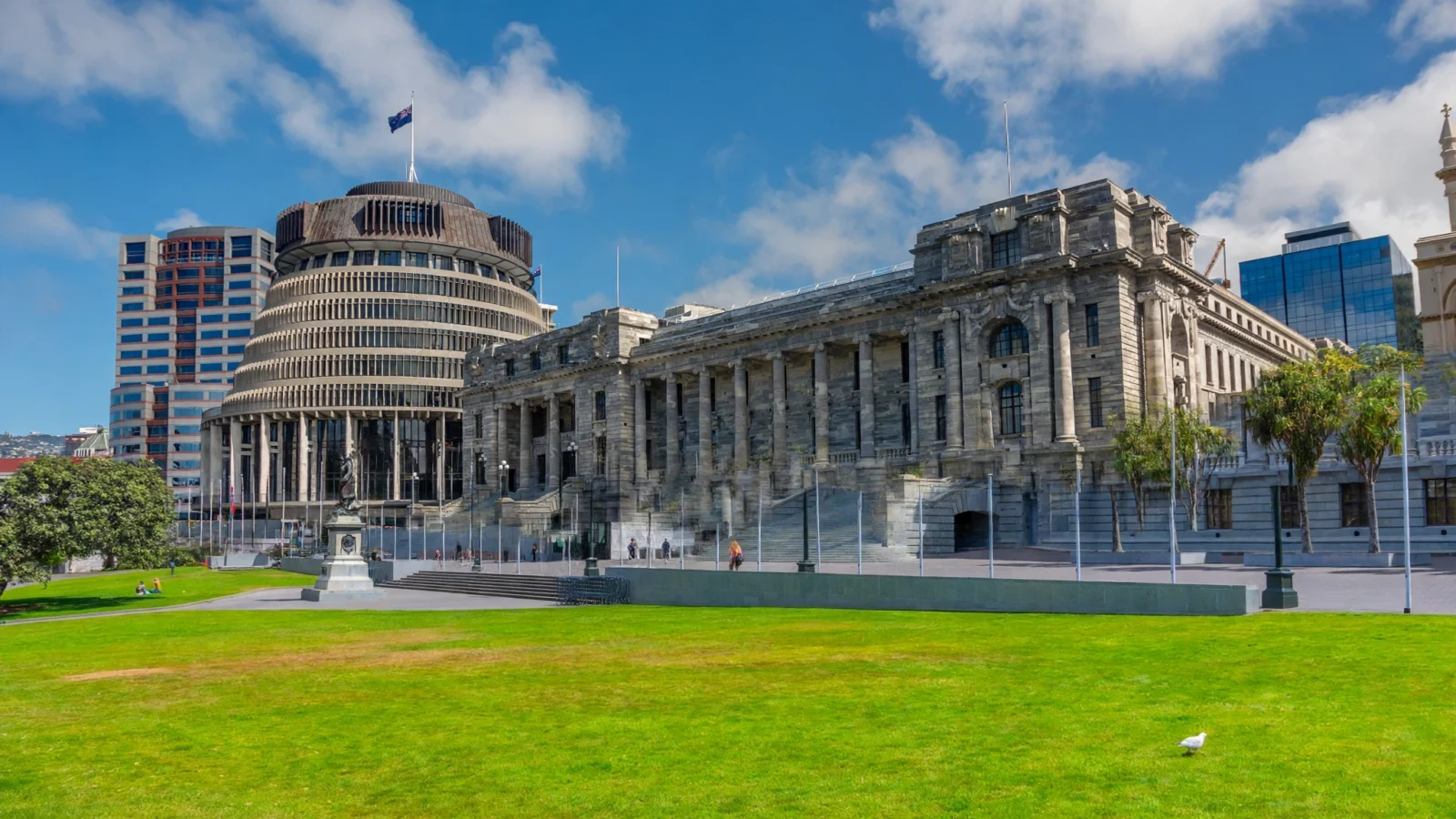
WELLINGTON, New Zealand: The final vote count in New Zealand’s election, published on Friday, gave neither the governing right-wing bloc nor the left-wing opposition enough seats to form a majority, according to the Associated Press. Prime Minister Christopher Luxon’s coalition won 65 seats in the 130-seat Parliament, one short of the 66 needed to govern alone.
Luxon’s National Party won 40 seats. Its coalition partners ACT and New Zealand First won 13 seats and 12 seats, according to Electoral Commission data reported by Reuters. On the left, Labour won 36 seats, the Green Party won 17 and Te Pati Maori won five, for a combined 58 seats.
The result leaves the Opportunity Party, a centrist party new to Parliament, holding the balance of power. Opportunity won seven seats. Its support would give Luxon a majority, but it would not be enough to put a Labour-led government in office, Labour leader Chris Hipkins acknowledged on Friday, according to the Associated Press.
Special votes erased a narrow election-night majority
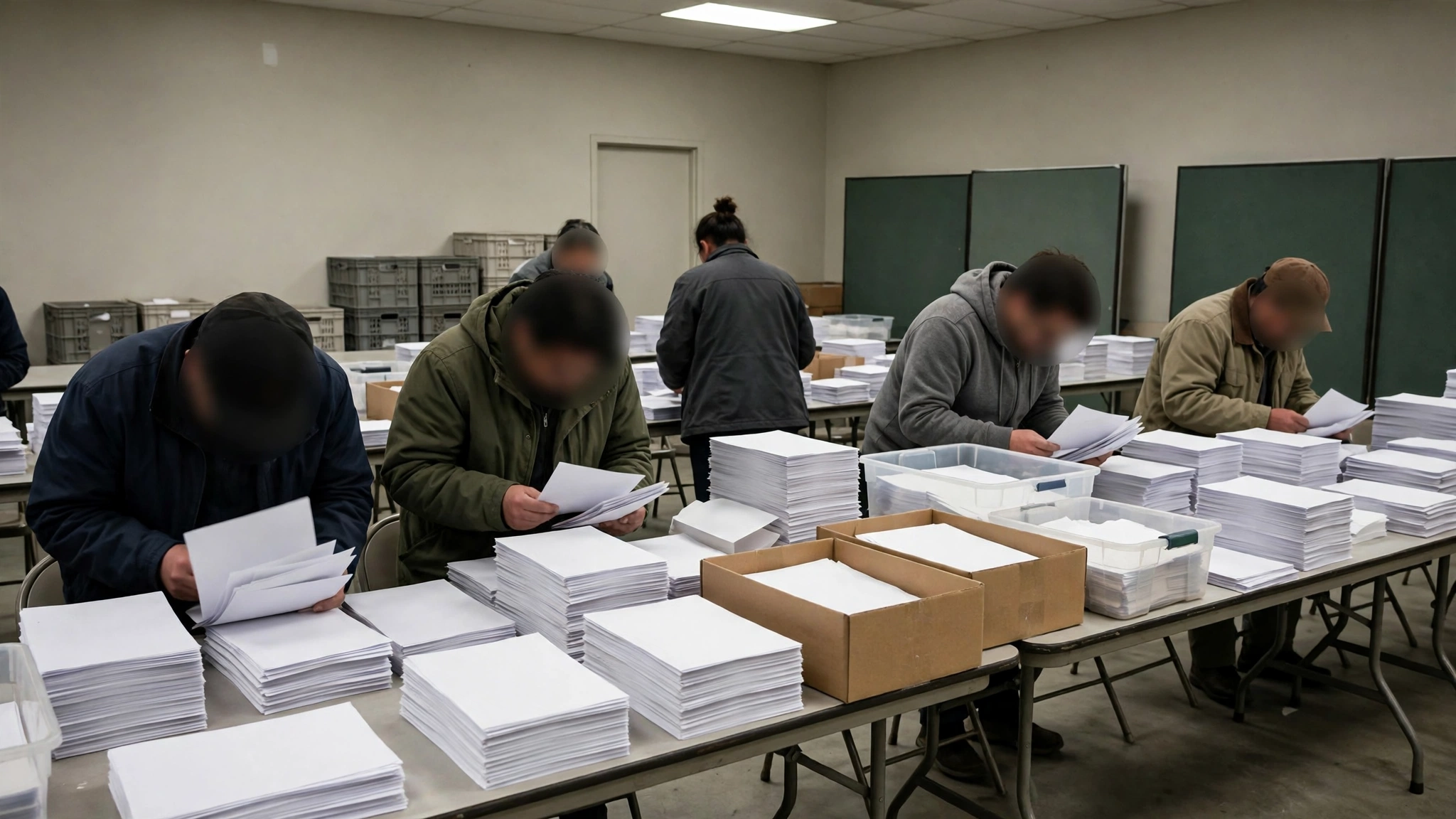
The Nov. 7 election was the tightest vote in years, and the conservative bloc finished election night with a thin majority. The count of special votes changed that outcome. Special votes include ballots cast by people voting overseas or outside their own electorate. The Electoral Commission said 2,931,604 votes were cast in total, of which 484,865 were special votes, according to Reuters. National lost two seats in the final count.
Both major parties finished below 30 percent of the party vote. National won 28.35 percent and Labour won 29.88 percent, according to the Associated Press, although National took more seats because more of its candidates won local races. The incumbent coalition will continue as a caretaker government while talks on a new government take place, according to Reuters. The New Zealand dollar rose slightly after the results were announced. It had hit a 17-year low against the U.S. dollar earlier in the week, according to Reuters.
Wong sets terms for talks
Opportunity is led by Qiulae Wong, a 38-year-old business consultant and political newcomer. Wong said on Friday that she would negotiate first with the party that won the most seats, according to Reuters. She told reporters her party would consider a formal coalition deal or a confidence and supply agreement, under which Opportunity lawmakers would back major government legislation and vote on other bills case by case, according to the Associated Press.
Wong also restated her party’s bottom lines. They include stronger action on climate change and an end to bottom-trawling fisheries, positions that conflict with the stances of NZ First and ACT, according to the Associated Press. She repeated that she would not enter a government with NZ First leader Winston Peters as foreign minister, a post he held until the election.
Luxon had ruled out working with Opportunity before the election. He reversed that position on Friday and said he was confident he could form a government with Opportunity, ACT and NZ First, according to the Associated Press. “These negotiations may be challenging and they could take some time,” Luxon said. “But getting it right matters far more than getting it done quickly.” If no government can be formed, New Zealand could face a fresh election.
Reporting based on coverage by the Associated Press and Reuters.