Carney Says Canada-U.S. Trade Talks Are Making Progress, but Autos Block a Deal for Now
Prime Minister Mark Carney said Saturday that a long call with President Donald Trump moved trade talks forward after their collapse in August, but he said Canada will not sign a deal that weakens its auto industry.
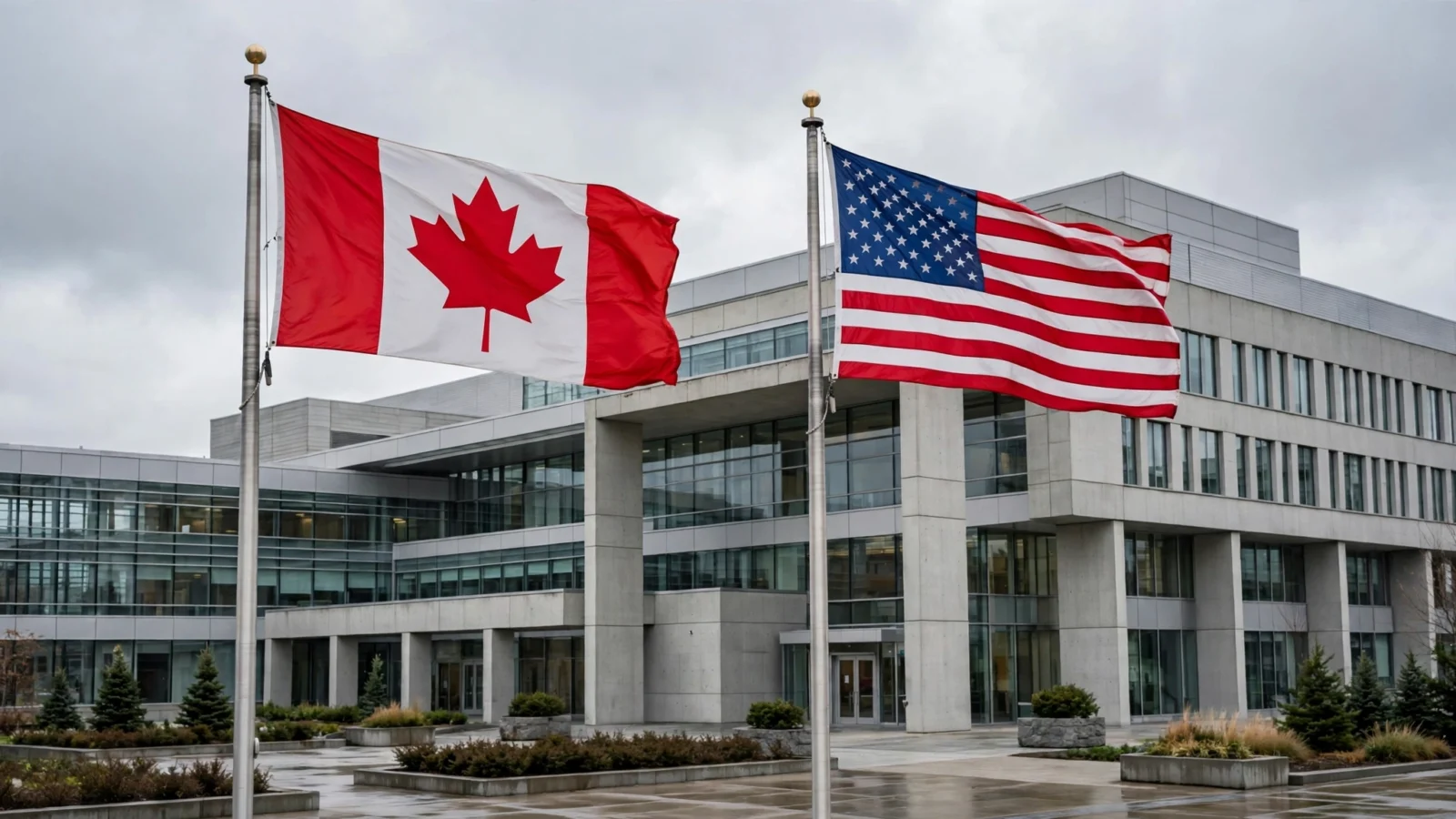
Canadian Prime Minister Mark Carney said Saturday that Canada and the United States are making progress toward a trade deal after talks collapsed in August, following what he called a long, substantive phone call with President Donald Trump. Carney spoke to reporters in Manila, where he is attending meetings ahead of a three-day summit of the Association of Southeast Asian Nations that starts Sunday.
“I had quite a long, substantive conversation with President Trump just before leaving for this trip,” Carney said. “We are making progress. There is the possibility of a deal, a bilateral deal. But we’re not yet there.” U.S. Trade Representative Jamieson Greer and White House Chief of Staff Stephen Miller also took part in the call, Carney said. Miller was named chief of staff on Nov. 6, after Susie Wiles left the post.
Autos are the hardest issue
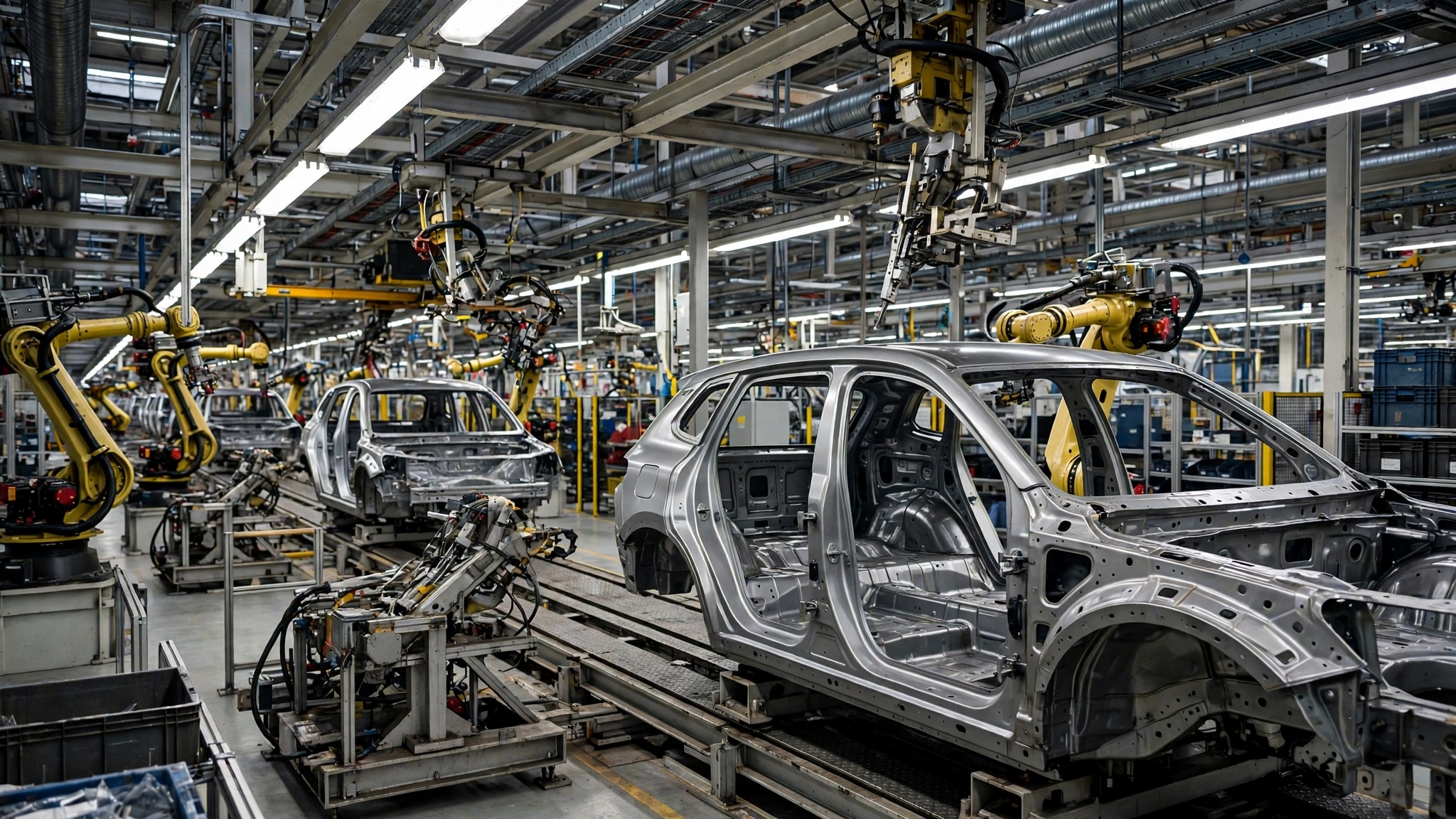
Carney said Canada will not accept a deal that undermines its auto industry, which has been battered by U.S. tariffs. “This government will not settle for a deal with the United States that is not consistent with a viable Canadian auto sector,” he said. He called autos “one of the most challenging issues in negotiations” with Washington and said Canada is making headway on terms in the USMCA that would leave a path to profitability for Canadian auto production.
The Trump administration’s 25 percent tariff on Canadian-made autos, with a carve-out for U.S. parts in the vehicles, has put severe pressure on an industry that typically exports nearly 90 percent of its production to the United States. The value of Canadian passenger car and light truck exports to the U.S. fell nearly 12 percent from 2024 to 2025 and is tracking lower still in 2026.
Canada suspended trade negotiations in August after last-minute U.S. demands that Ottawa considered unacceptable. Washington then imposed 50 percent tariffs on about $20 billion in Canadian goods, prompting retaliatory Canadian tariffs in September. The countries have since resumed discussions. Trump said before the midterm elections that the countries were “very close” to an agreement, while Carney said Washington had backed away from demands involving Canada’s culture, French-language protections and its ability to negotiate trade agreements with other partners.

Canada looks to Asia as talks continue
Carney also announced that Canada had substantially concluded free-trade negotiations with ASEAN, a bloc of nearly 700 million people, and completed separate negotiations with the Philippines. The Canadian government estimates the ASEAN agreement could add nearly 2 billion Canadian dollars (US$1.4 billion) to Canada’s economy and create almost 14,000 jobs, particularly in agriculture and manufacturing. Officials hope to sign it next year.
The Philippines agreement, expected to be signed next year, covers more than 90 percent of tariff lines, Carney said. The Canadian government said it could help triple Canadian exports to the Philippines by 2035. Carney has made doubling Canadian exports to countries other than the United States by 2035 a central goal. A deal with Washington could reduce some tariffs on sectors such as steel and aluminum.

Carney attended the European Political Community summit in Ireland before traveling to Manila. He will also attend the Francophonie summit in Cambodia and the Asia-Pacific Economic Cooperation summit in China, where he is scheduled to meet President Xi Jinping.
Reporting based on coverage by the Associated Press and The Globe and Mail.