FDA Orders Vision Loss Warning on Ozempic, Wegovy, Mounjaro and Zepbound
The FDA is requiring makers of GLP-1 drugs, including Ozempic and Zepbound, to warn about a rare eye condition that can cause sudden vision loss, after a review of clinical trial data and patient reports.

The Food and Drug Administration said Monday it will require makers of all GLP-1 drugs to add a warning about a potential increased risk of a rare eye condition that can cause sudden vision loss. The warning will go in the warnings and precautions section of the labels for Ozempic, Wegovy, Rybelsus, Mounjaro, Zepbound, Victoza, Saxenda and Trulicity. The drugs treat type 2 diabetes and help people lose weight; our guide explains how Ozempic and Mounjaro compare.
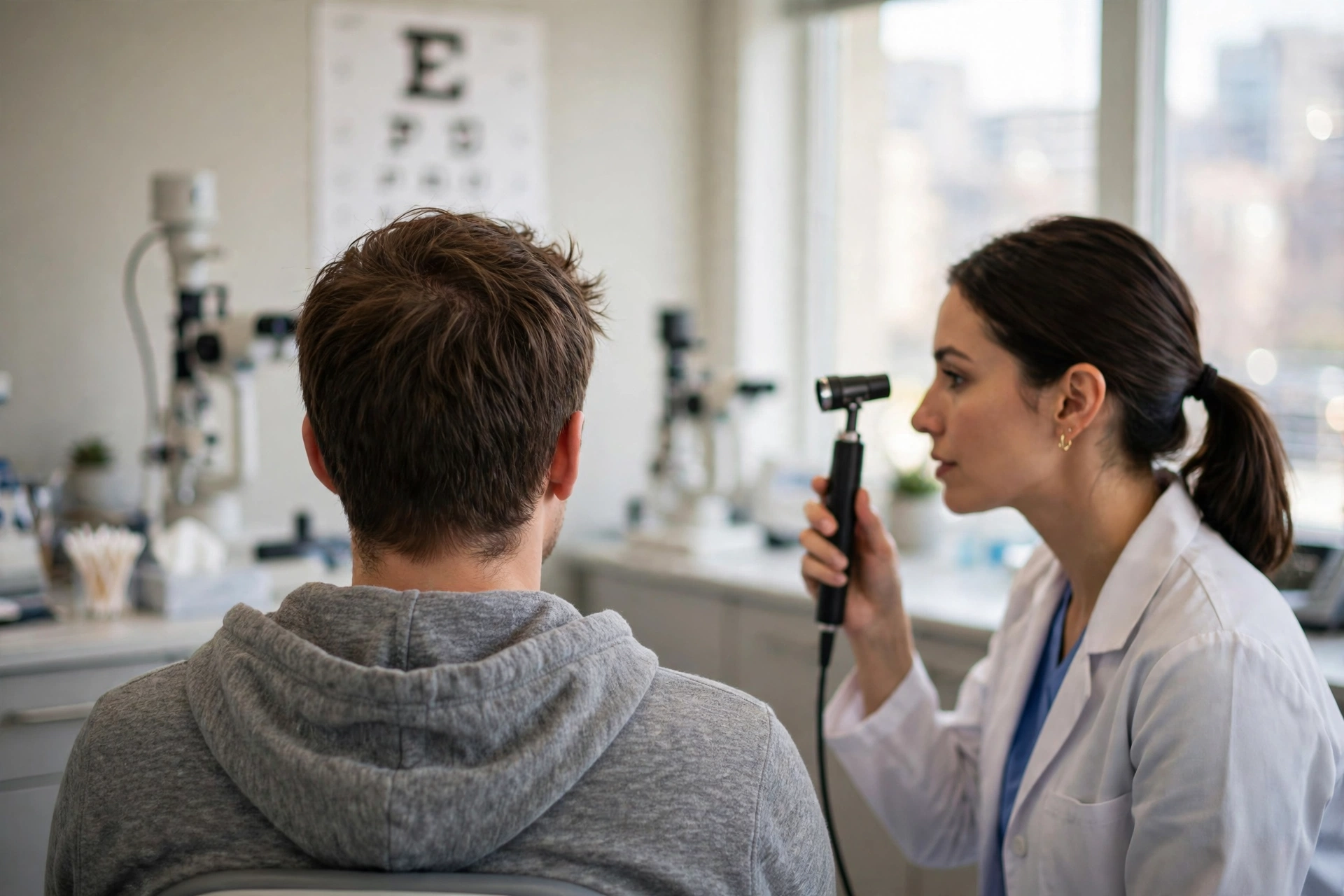
The condition is non-arteritic anterior ischemic optic neuropathy, or NAION. It happens when blood flow to the front of the optic nerve drops, and it can cause sudden, painless vision loss in one eye. About 70 to 80 percent of people with NAION first notice the vision loss when they wake up. The FDA listed the symptoms as sudden, painless vision loss in one eye; blind spots or tunnel vision; distorted colors; and blurry or hazy spots in the center of vision. No treatment has been proved to reverse vision loss from NAION.
What the review found
The FDA began its review after a 2024 study in JAMA Ophthalmology found a higher rate of NAION in people prescribed semaglutide, the active ingredient in Ozempic and Wegovy, than in people prescribed other diabetes or weight-loss drugs. The agency looked at animal studies, clinical trial data, adverse event reports, observational research and its own real-world evidence study. Across 126 clinical trials, it found about six cases of NAION per 100,000 people taking a GLP-1 for a year, against about four per 100,000 taking a placebo or another diabetes drug. In real-world records, the results were mixed: NAION was more common with GLP-1 drugs than with one type of diabetes pill, but the agency found no clear increase against another type.
The FDA said its review did not prove that GLP-1 drugs cause NAION, and that the benefits of the drugs still outweigh the risks when they are used as directed. Patients should not stop their medication without talking to their doctor first, the agency said. Doctors should send patients with vision symptoms to an eye specialist right away, and consider stopping the drug in patients who develop NAION unless the benefits of treatment clearly outweigh the risk. Regulators in the European Union, the United Kingdom, Japan and Australia already require similar warnings. The European Medicines Agency said last year that NAION may affect up to 1 in 10,000 people taking semaglutide for at least a year.

Eli Lilly, which makes Mounjaro and Zepbound, said it is reviewing the update and will respond promptly. Novo Nordisk, which makes Ozempic and Wegovy, said the data do not establish a cause-and-effect relationship. The two companies also face thousands of lawsuits over the drugs, including nearly 100 NAION-related cases filed in New Jersey since 2025, according to USA Today.
Reporting based on coverage by CNN, USA Today and Healthline.