G7 Ministers Open Paris Talks as Allies Press Rubio on Trump’s Post-Midterm Foreign Policy
Foreign ministers from the Group of Seven began two days of talks in Paris on Monday, with Secretary of State Marco Rubio facing questions about whether the midterm elections will change Washington's approach to Ukraine, Iran and its allies.
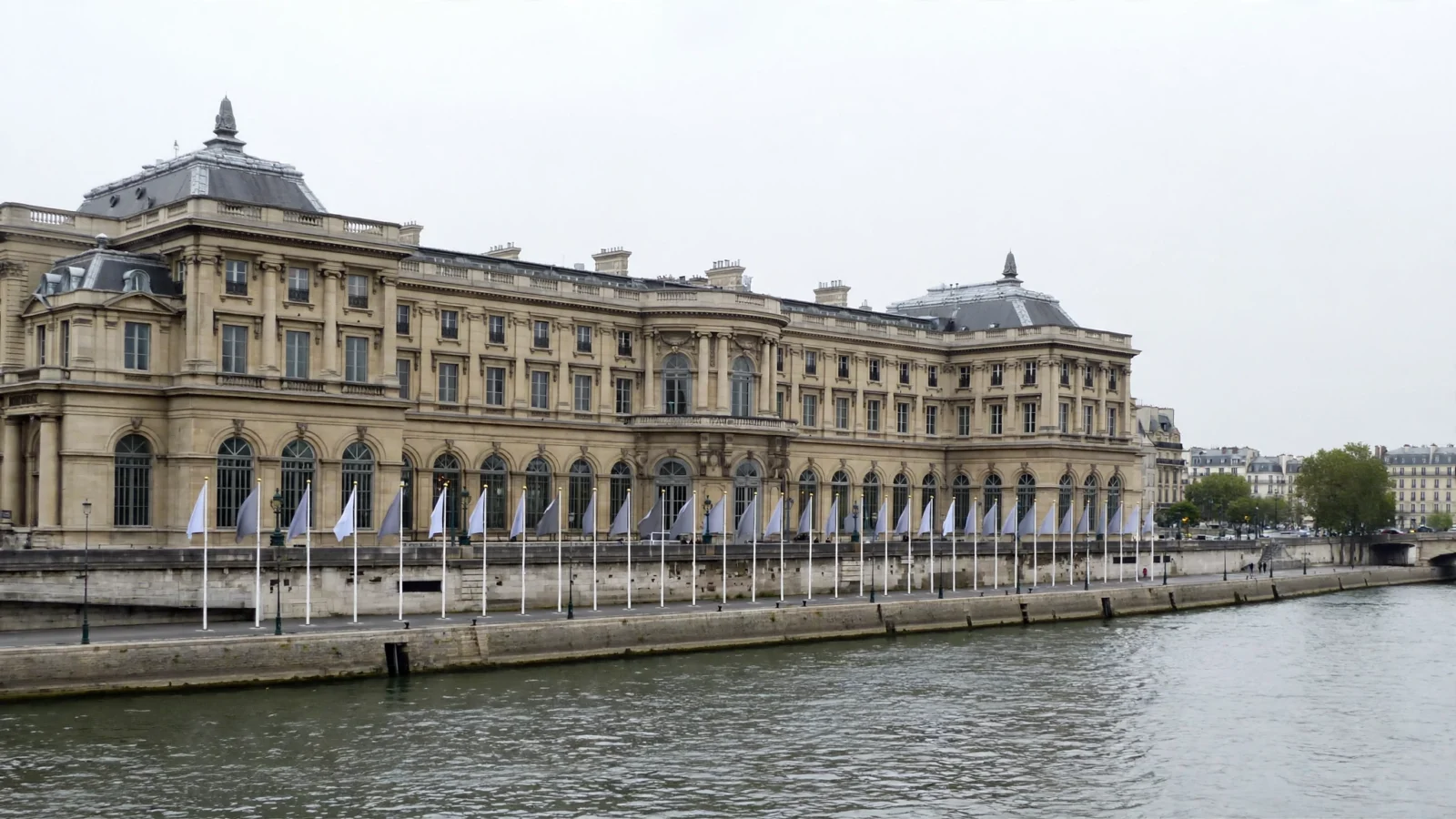
Foreign ministers from the Group of Seven industrialized democracies began two days of talks in Paris on Monday, with clear differences on several unresolved crises and open questions about how President Donald Trump will approach foreign policy after his party’s heavy losses in the midterm elections.
Secretary of State Marco Rubio, on his first overseas trip since the elections, faced questions about whether the administration will shift its positions on the Russia-Ukraine war, the Iran conflict, energy security and artificial intelligence. The talks, which run Monday and Tuesday, bring together senior diplomats from the United States, Britain, Canada, France, Germany, Italy and Japan.
Last week’s elections cost Republicans control of Congress. Canadian Foreign Minister Anita Anand said it remains an open question how Washington will proceed. “In terms of the U.S. and its approach I will say that the president has executive powers,” she told reporters in Paris. “The House and the Senate have changed leadership so it’s very much a question of what the approach will be.”
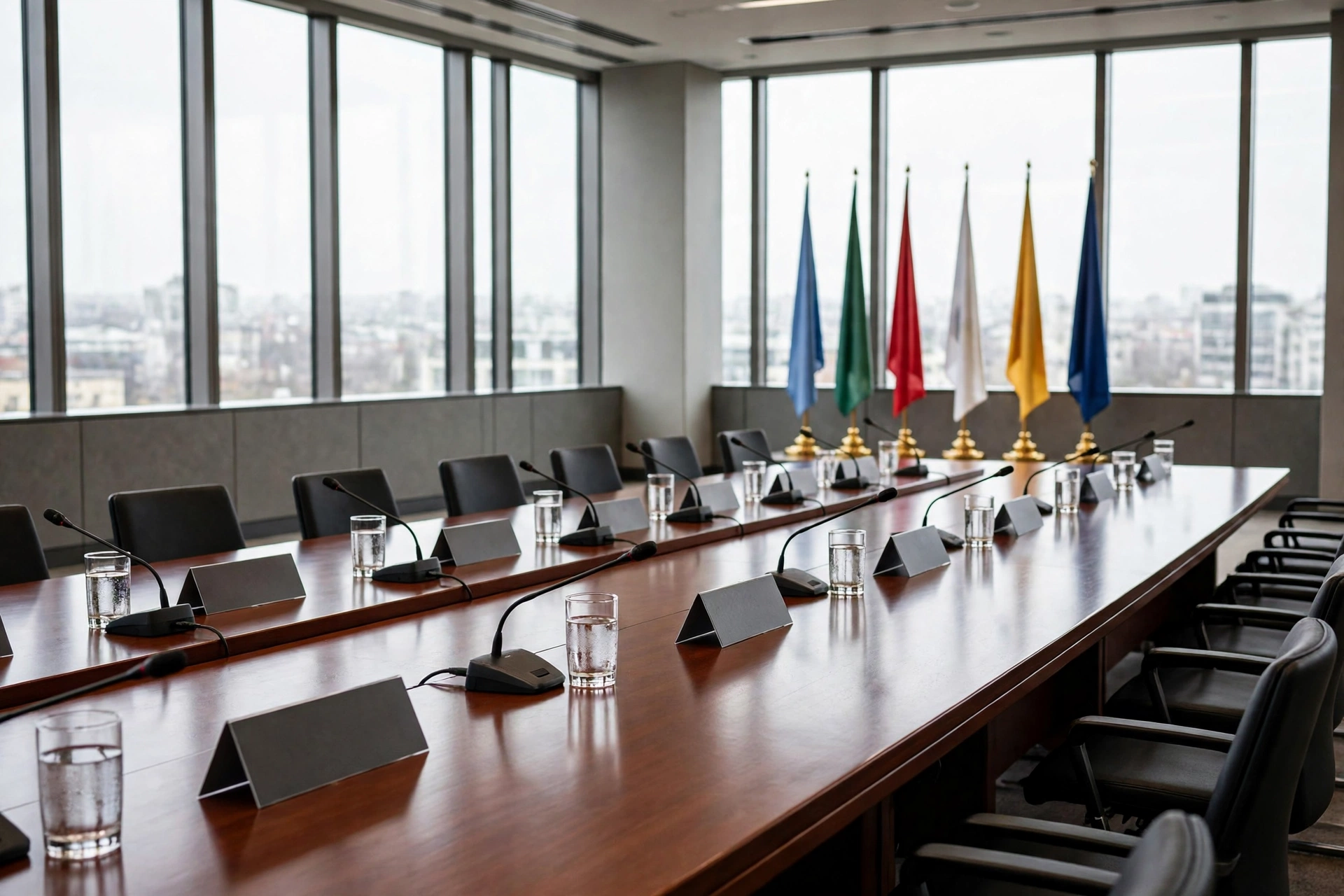
Rubio told reporters that the countries he is meeting this week understand American politics and “they, too, have experienced divisions in government and divisions in their own system.” There has been little sign so far that the election results will change Trump’s course. His first major personnel decision since the vote was to install Stephen Miller, a hard-line supporter of expansive executive authority, as White House chief of staff.
Ukraine and Iran dominate the agenda
Trump has floated the idea of a partnership with Europe to bring Russia’s war in Ukraine to an end. His envoys, Steve Witkoff and Jared Kushner, are set to meet Ukrainian and Russian officials in the United Arab Emirates starting Tuesday to discuss possible compromises. Rubio said postwar security guarantees for Ukraine and the rest of Europe have been a top concern for allies.
“There’s been some advances made in what that architecture could look like post-conflict,” Rubio said. “Nothing’s been finalized yet, and maybe some progress can be made in Abu Dhabi.” German Foreign Minister Johann Wadephul, who met separately with Rubio on Monday, said he welcomed the Abu Dhabi talks but stressed that Europe must be part of any resolution. “I am still very grateful to the United States of America for making every effort to get the parties to the conflict to the table,” Wadephul said. “But I made clear again here that Europe belongs at this table. There can be no solution without Europe, only with Europe.”

On Iran, Rubio said the sides are not on “the verge of a breakthrough,” while repeating that Trump prefers a diplomatic solution. He called the Iranian demands unacceptable and, in some cases, outrageous, ridiculous and not realistic.
Qatari and other mediators have proposed an interim solution to end the deadlock over the Iran conflict, which has sent fuel prices higher amid instability in the Strait of Hormuz and the Red Sea.
Disagreements over the United Nations and the ICC
After the first meetings on Monday, Rubio posted on X that UN agencies should cut wasteful bureaucracy and make humanitarian aid more efficient, and that American assistance must remain temporary, targeted and accountable.

The Trump administration has unsettled its G7 partners over support for Ukraine and NATO and opposition to the International Criminal Court. The administration is pushing to dismantle the ICC, an international war crimes court to which all G7 members except the United States belong, and has imposed sanctions on the court and several of its employees. Rubio told French Foreign Minister Jean-Noël Barrot that he had raised “U.S. fundamental concerns about the International Criminal Court.”
France has invited Brazil, Egypt, Saudi Arabia and Ukraine to take part in some of the discussions. The French foreign ministry said there will be a meeting on artificial intelligence and a separate session on support for Ukraine. The meeting was moved at short notice from Marseille to Paris for security reasons after weeks of protests across France.
Reporting based on coverage by the Associated Press.