IEA Says Global Oil Market Has Swung Back Into Surplus for the First Time Since the Iran War Began
The International Energy Agency said world oil supply reached 105.4 million barrels a day in October, putting the market into surplus in the fourth quarter despite continued attacks on shipping in the Gulf. Brent crude traded near $96 a barrel after the report.

The world oil market has moved back into surplus for the first time since the Iran war began, the International Energy Agency said Friday in its monthly Oil Market Report.
Global oil supply rose by 2.3 million barrels a day in October to 105.4 million barrels a day, and the agency now expects supply to average 105 million barrels a day in the fourth quarter, about 1.7 million barrels a day above forecast demand. The IEA raised its fourth-quarter supply estimate by 3.3 million barrels a day, reversing its earlier forecast of a deficit. “The oil market is showing tentative signs of rebalancing, with global oil supplies surpassing demand for the first time since the outbreak of the war in Iran,” the agency said in the report.

Oil prices gave up earlier gains after the report was released at 0900 GMT. Brent crude was last down 0.1 percent at $95.71 a barrel, and January futures traded at $95.77 at 09:50 GMT, near Thursday’s settlement of $95.82. U.S. benchmark West Texas Intermediate for December delivery stood at $88.45, down 0.3 percent. North Sea Dated crude has fallen 32 percent from a high of $136 a barrel on October 8 to about $93, the IEA said, though that is still $22 above pre-war levels.
Gulf exports recover, but diesel stays tight
The shift follows a recovery in Gulf exports. OPEC+ pumped 41.23 million barrels a day of crude in October, up about 2.04 million barrels a day from September and 97 percent of its pre-war February volume, OPEC said on Wednesday. Gulf exports excluding Oman reached 18.4 million barrels a day, still 26 percent below pre-war levels. The IEA also pointed to rising output outside the group, with production from the United States, Canada, Brazil, Argentina and Guyana set to rise by 1.6 million barrels a day this year.
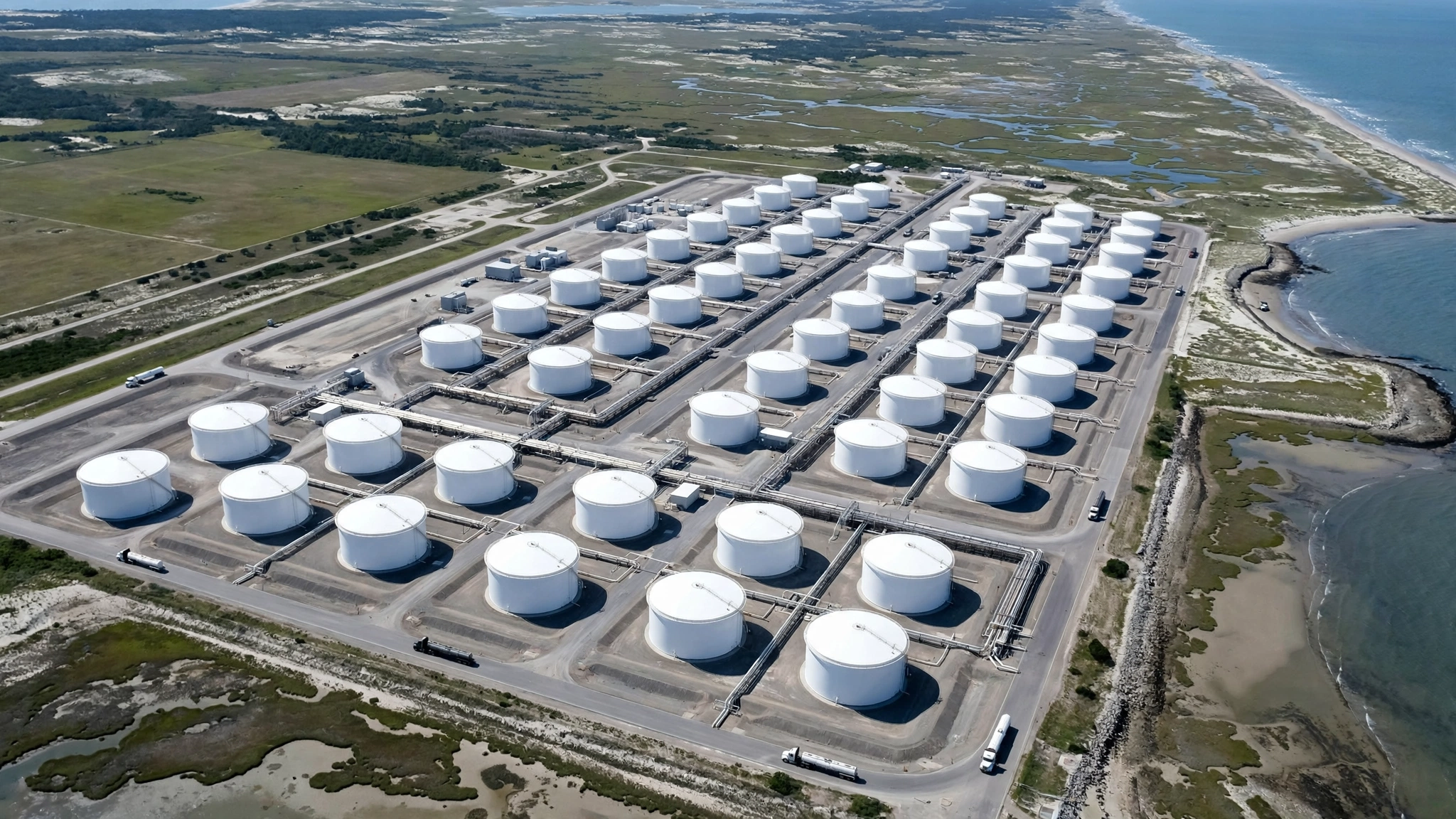
High prices have also held back demand. World oil demand is forecast to fall by 2.7 million barrels a day in 2026 to 102.3 million barrels a day, before rising by 2 million barrels a day in 2027. For 2027, the IEA sees supply at 108.1 million barrels a day and a surplus of about 3.8 million barrels a day.
The agency gave more detail on the emergency reserves its members pledged in March, saying 71 million barrels would be made available by the end of February, including 15 million barrels of diesel to ease tight supplies. European diesel prices have fallen 11 percent from their peak but remain close to $180 a barrel, about 77 percent above pre-war levels.

Shipping risks remain. Iran’s military said on Thursday that four oil tankers were hit by explosions in the Strait of Hormuz, while Yemen’s Houthis said they had attacked Saudi oil facilities. Reuters said it could not immediately verify the Iranian accounts. The IEA said attacks on shipping remain a risk to its forecasts. Its next Oil Market Report is due on December 11.
Reporting based on coverage by Reuters and Invezz.