Iran Says U.S. Response to Seven-Condition Plan to Reopen Strait of Hormuz Was ‘Insufficient’
Iran's security chief Mohsen Rezaei said Sunday that Washington's reply to Tehran's seven conditions for reopening the Strait of Hormuz was 'insufficient,' and that Iran is 'no longer in the process of responding' — a sign that indirect talks to restore shipping through the vital waterway have stalled.
Iran’s top security official said Sunday that the United States’ response to Tehran’s seven conditions for reopening the Strait of Hormuz was “insufficient,” signaling that indirect negotiations to restore shipping through the strategic waterway have broken down.
Mohsen Rezaei, secretary of Iran’s Supreme National Security Council, was quoted by Iranian state media as saying the strait “would not be opened” to the Americans and that no negotiations would take place until Tehran’s conditions were met. He added that Iran is “no longer in the process of responding to the Americans,” according to Reuters.
Talks through Qatari intermediaries stall
Iran laid out the proposal during the UN General Assembly, offering to restore normal maritime passage through the strait within seven days if its conditions were met. The United States later replied through Qatari intermediaries, according to the report. Rezaei said Washington had accepted some of the conditions while others remained unclear, and called on the U.S. to clarify the issues that Tehran said were still unresolved.
The White House did not immediately respond to a Reuters request for comment.
The proposal was Iran’s latest attempt to revive a collapsed ceasefire in the Gulf. Tehran said in late September that it had received an American response to an earlier proposal, days after President Donald Trump said he had rejected it. Qatar and other mediators have been relaying messages between Washington and Tehran in an effort to end the conflict and reopen the waterway.
Why the waterway matters
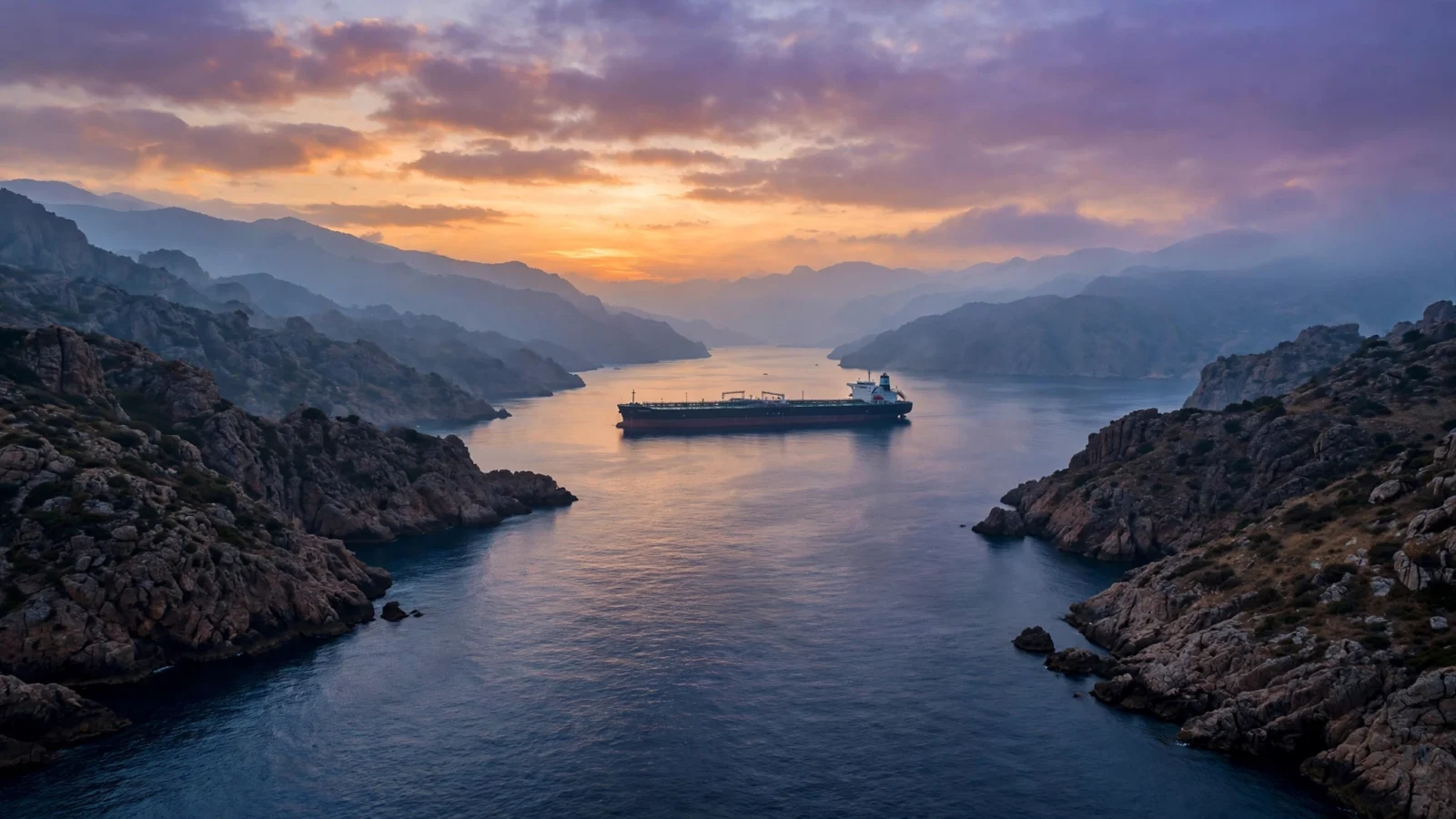
Before the war, the Strait of Hormuz was the conduit for about a fifth of the world’s oil and liquefied natural gas, according to Reuters. The conflict began in late February with U.S. and Israeli attacks on Iran, and the waterway’s closure has kept global energy markets under pressure at a time of already elevated fuel prices in the United States.
Reporting based on coverage by Reuters.