Supreme Court Agrees to Decide Whether Trump Can Bar Asylum Claims at the Southern Border
The justices took up the administration's appeal of a lower court ruling that found the asylum ban exceeded the president's authority. Arguments are expected early next year, with a decision by the end of June.
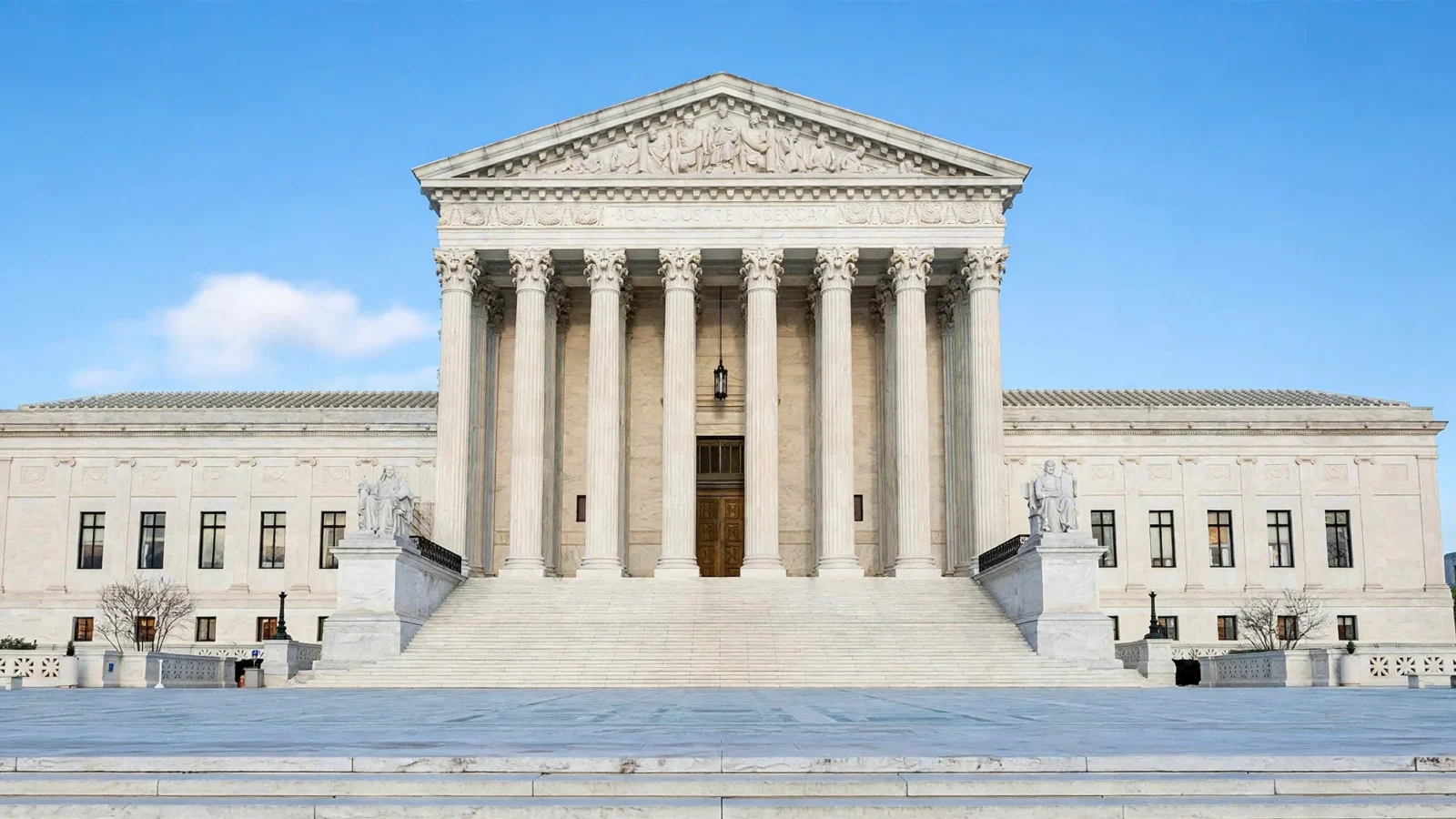
The Supreme Court agreed on Friday to decide whether President Donald Trump can bar migrants arriving at the southern border from applying for asylum, taking up a challenge to one of the administration’s central immigration policies.
The justices took up the administration’s appeal of a lower court ruling that found Trump exceeded his authority when he denied migrants caught entering the country illegally the chance to seek asylum. Arguments are expected early next year, and the court is expected to rule by the end of June.
Trump announced the limits hours into his second term on January 20, 2025. Under the policy, migrants caught crossing the southern border illegally are barred from pursuing asylum claims. The ban also applies to migrants who arrive at official border crossings and lack certain medical or criminal history information, a requirement that advocates say is often impossible to meet for people fleeing violence. The proclamation said the policy would stay in place until the president determines that the “invasion at the southern border” has ended.
The president has argued that people crossing the border illegally claim asylum as a way to stall their deportation, because cases can take years to decide and applicants can be released into the United States while their cases play out. Solicitor General D. John Sauer, the administration’s top appellate lawyer, described the asylum measures as a “cornerstone” policy and the administration’s “most effective” change in “resolving a border crisis.”
How the case reached the court
Immigrant rights groups filed a class-action lawsuit on behalf of would-be asylum seekers who said they were denied a “credible fear” interview by immigration officials before facing deportation. Those interviews are meant to determine whether a person seeking asylum would face persecution at home because of race, religion, nationality, membership in a particular social group or political opinion.

A federal judge in Washington ruled for the groups in July 2025. The U.S. Court of Appeals for the District of Columbia Circuit upheld that ruling in April but held it back from taking effect so the administration could appeal to the Supreme Court. Thirteen people and three immigrant rights groups challenged the policy.
The Immigration and Nationality Act, a law passed by Congress, allows migrants to claim asylum, even as it leaves the decision on whether to grant protection to administration officials. Writing for the appeals court, U.S. Circuit Judge Michelle Childs said barring people who are physically present in the United States from applying for asylum “cannot be squared with the statute.”
A term full of immigration cases
The asylum case joins a Supreme Court term already heavy with the administration’s immigration policies, including the removal of migrants to countries they have no connection with and the push to direct certain migrants to mandatory detention.
The court has a 6-3 conservative majority and has been largely deferential to Trump in second-term challenges to his immigration policies. In June, the justices backed the federal government’s authority to turn away asylum seekers when officials deem crossings at the border too overburdened to handle more claims. In September, the court let the administration resume deporting migrants to countries other than their own without giving them a chance to show the harms they may face. Arguments over the legality of that policy are set for December 9.
Reporting based on coverage by Reuters and CNN.