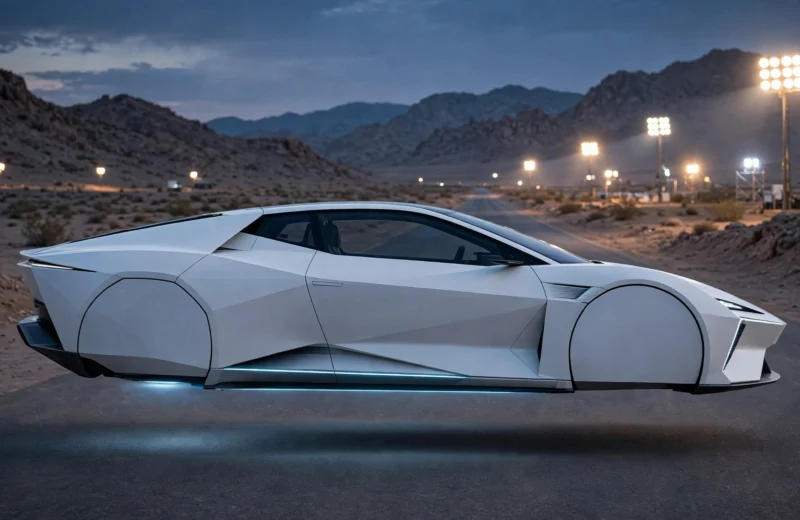
Tesla Set to Unveil Redesigned Roadster Tonight, Nearly Nine Years After Prototype Debut
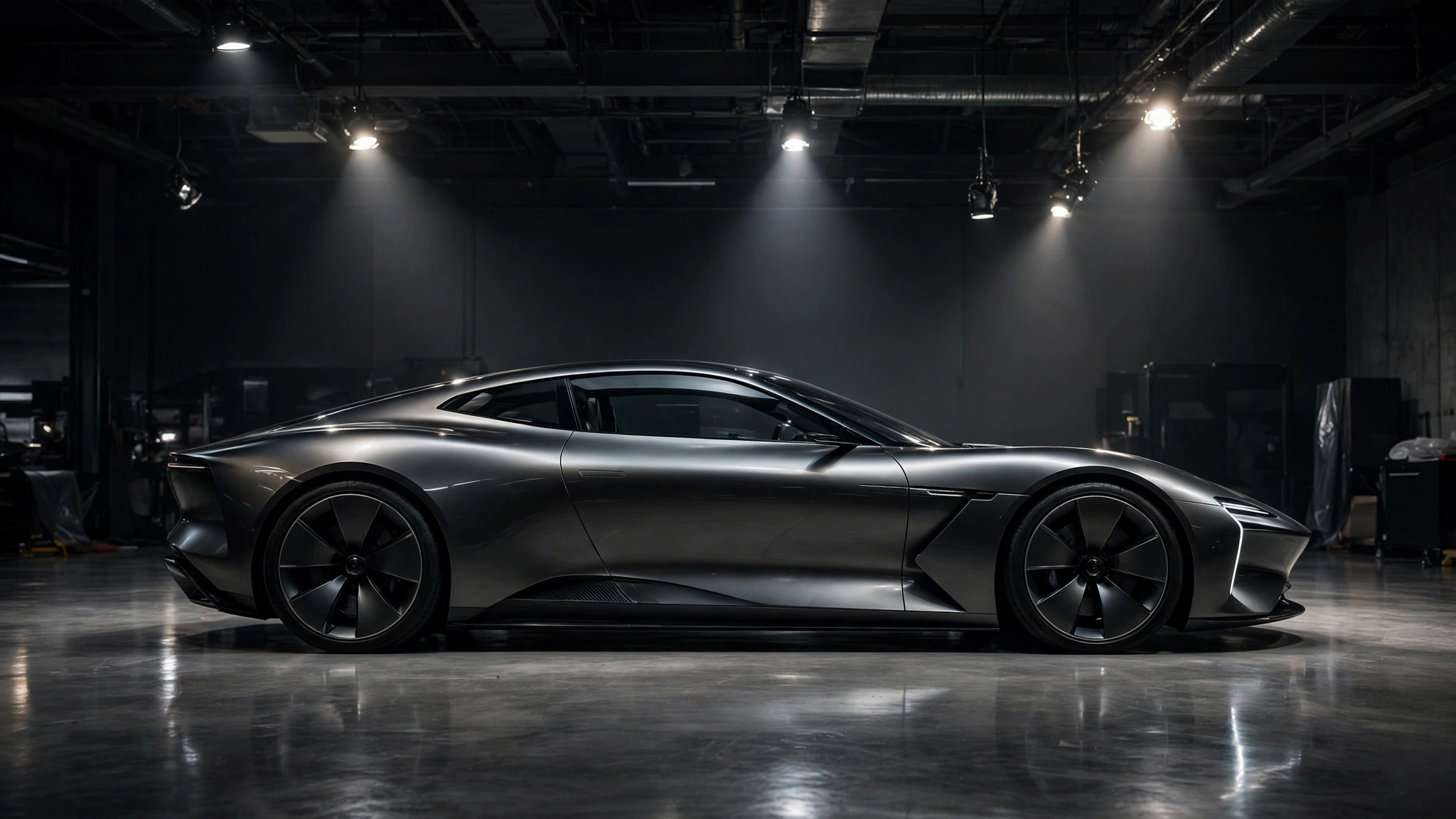
Tesla will unveil its redesigned $200,000 Roadster at a SpaceX test site in McGregor, Texas, on Thursday evening, nearly nine years after the company first showed a prototype and promised deliveries by 2020.
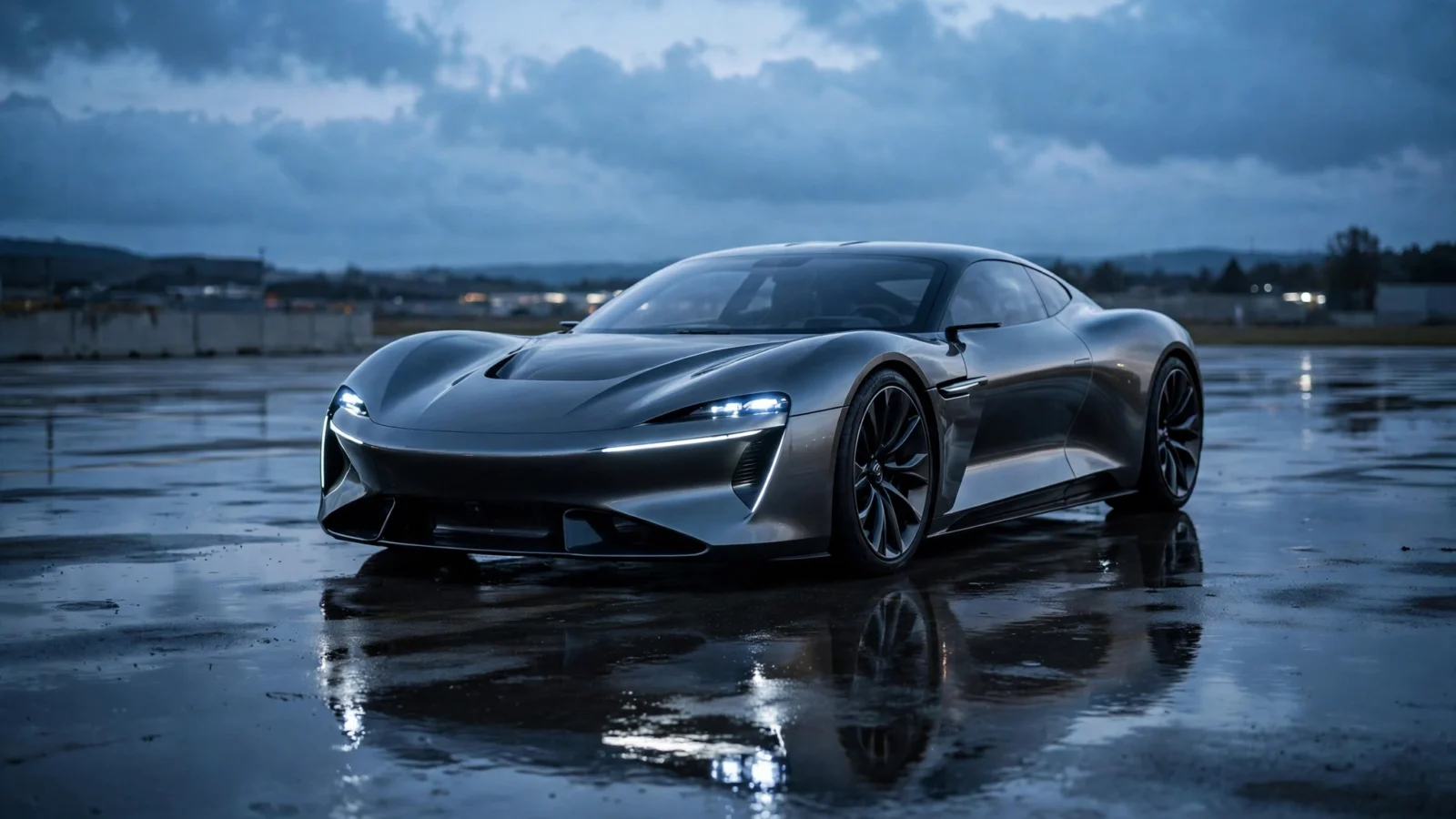
Tesla is set to unveil a redesigned version of its Roadster on Thursday evening, nearly nine years after the company first showed a next-generation version of the electric sports car. The event is scheduled for 8:55 p.m. ET at a SpaceX test site in McGregor, Texas, according to Reuters.
Tesla revealed a prototype of the $200,000 car in 2017 and said at the time that deliveries would begin in 2020. The price has not been updated, and reservations still cost $50,000 each.
What Musk has said
In a post on X in 2024, chief executive Elon Musk said the car had been redesigned and would accelerate from 0 to 60 miles per hour in under a second. He called that “the least interesting part,” adding that the car was a collaboration between Tesla and SpaceX, the rocket company he also leads. In 2017, Musk had said a four-seat Roadster would travel 620 miles on a single charge.
Musk has played down what the car means for Tesla’s business. In 2023, he described it as a “small potato situation” that would not “move the needle in a major way financially.”
A halo car, not a volume car
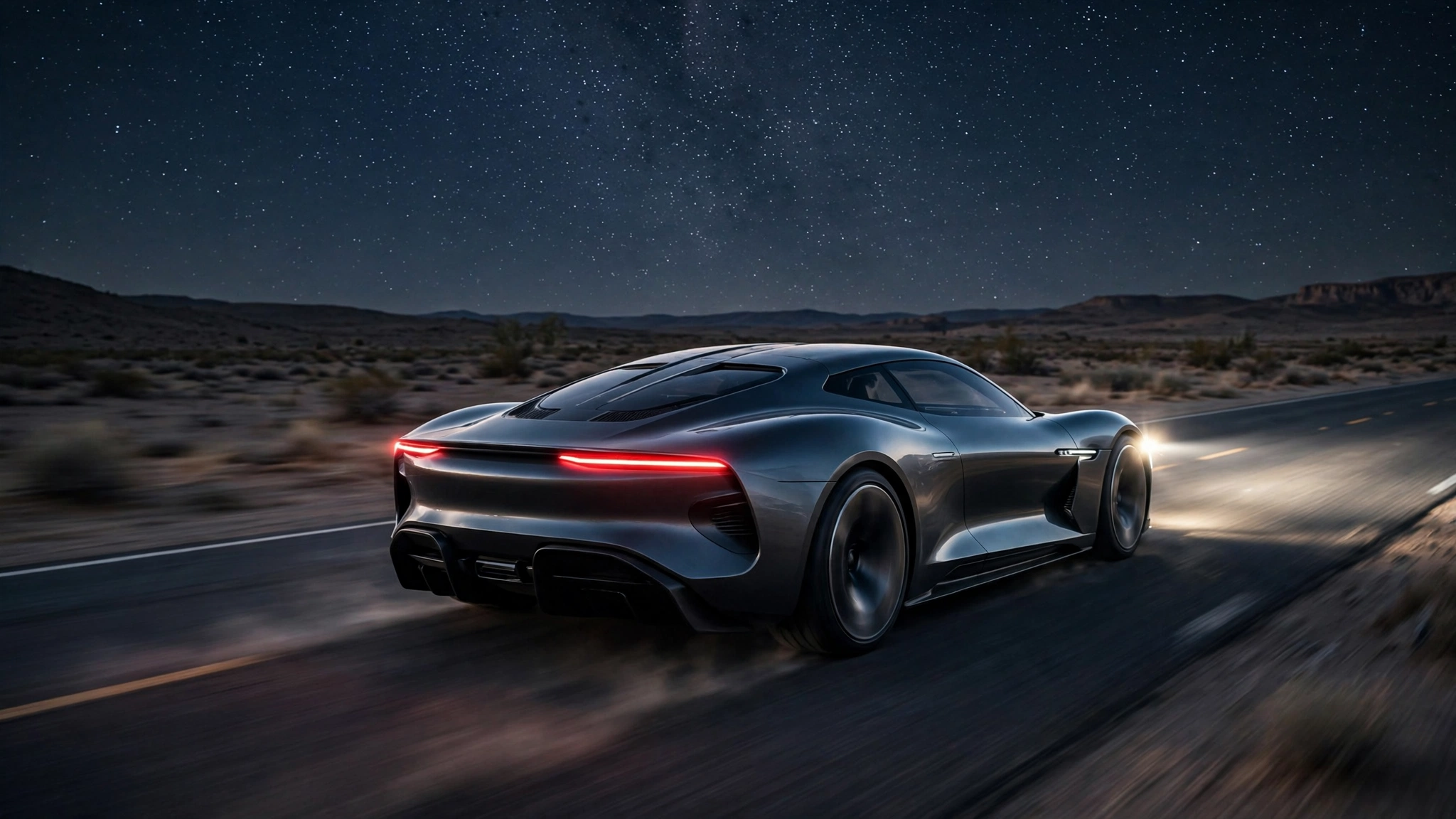
Morningstar analyst Seth Goldstein expects Tesla to sell about 2,000 Roadsters a year, a small fraction of the 1.6 million vehicles the company sold last year. Goldstein said Tesla “does not currently have a halo car” and called the Roadster the company’s future one, according to Reuters.
The original Roadster, on sale from 2008 to 2012, was Tesla’s first electric vehicle, built on a Lotus Elise chassis. The company has since built its sales on the Model Y and Model X SUVs and the Model S and Model 3 sedans.
The reveal comes as Tesla shifts its focus toward artificial intelligence for self-driving technology and robotics. This year the company stopped selling its Model S and Model X vehicles to make room for production of its Optimus humanoid robots, and it launched the Cybercab, a two-seat robotaxi with no steering wheel, pedals or mirrors.
Reporting based on coverage by Reuters and the New York Post.