Tesla Will Sell the Cybercab to Private Buyers for $29,990, Plus a $299 Monthly Fee
Tesla has started inviting select customers to buy its steering-wheel-free Cybercab for personal use, but the car will not run without a $299-a-month subscription and only works inside the company's robotaxi zones in Texas and Florida.
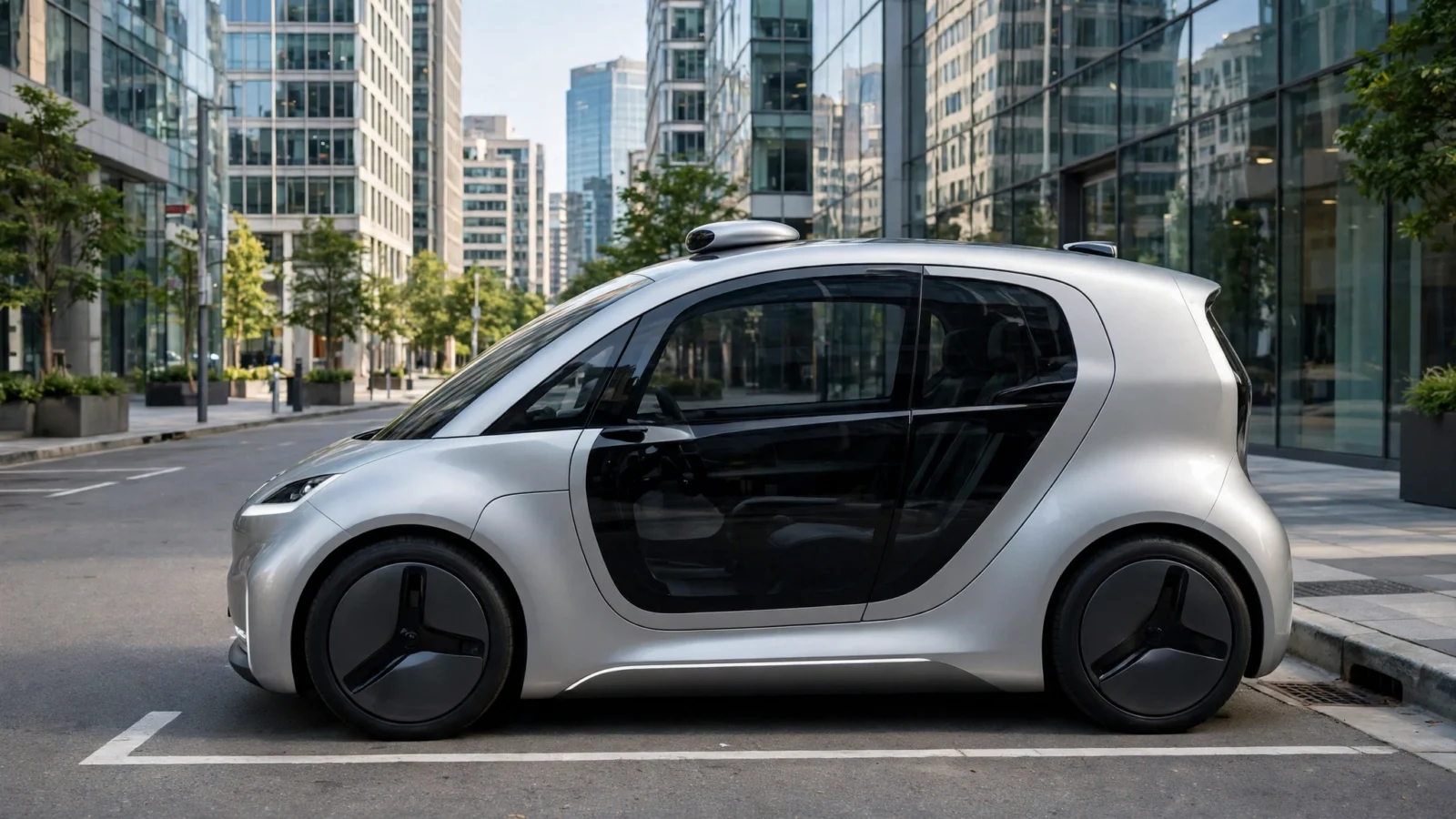
Tesla has begun inviting select customers to buy the Cybercab for personal use at $29,990 before taxes, the company said Friday through its Robotaxi account on X. The two-seat car has no steering wheel or pedals, and it will not move without a $299-a-month Autonomy Subscription.
The order page lists an estimated delivery of December 2026 in Austin, Texas, and requires a $1,000 non-refundable deposit. The subscription is pre-checked at checkout at $299 a month, with one month included, and the fine print says “Subscription and regular vehicle maintenance required to operate.” The invitation email is more direct: “Only available in supported service areas. Subscription required for operation.”
The car has two seats, a 21-inch center touchscreen and 20.1 cubic feet of cargo space. Tesla calls it “fully autonomous” and says owners will manage their rides in the app. Tesla is clearing factory space for the Cybercab, with Cybertruck production set to wind down in mid-2027 to make room for it.

Where the car can drive
A private Cybercab will only work inside Tesla’s Robotaxi service areas: Austin, Dallas, Houston, Fort Worth and San Antonio in Texas, and Miami, Orlando and Tampa in Florida. Tesla’s artificial intelligence lead, Ashok Elluswamy, said it will work unsupervised inside the same areas as Robotaxi, serving the owners’ needs.
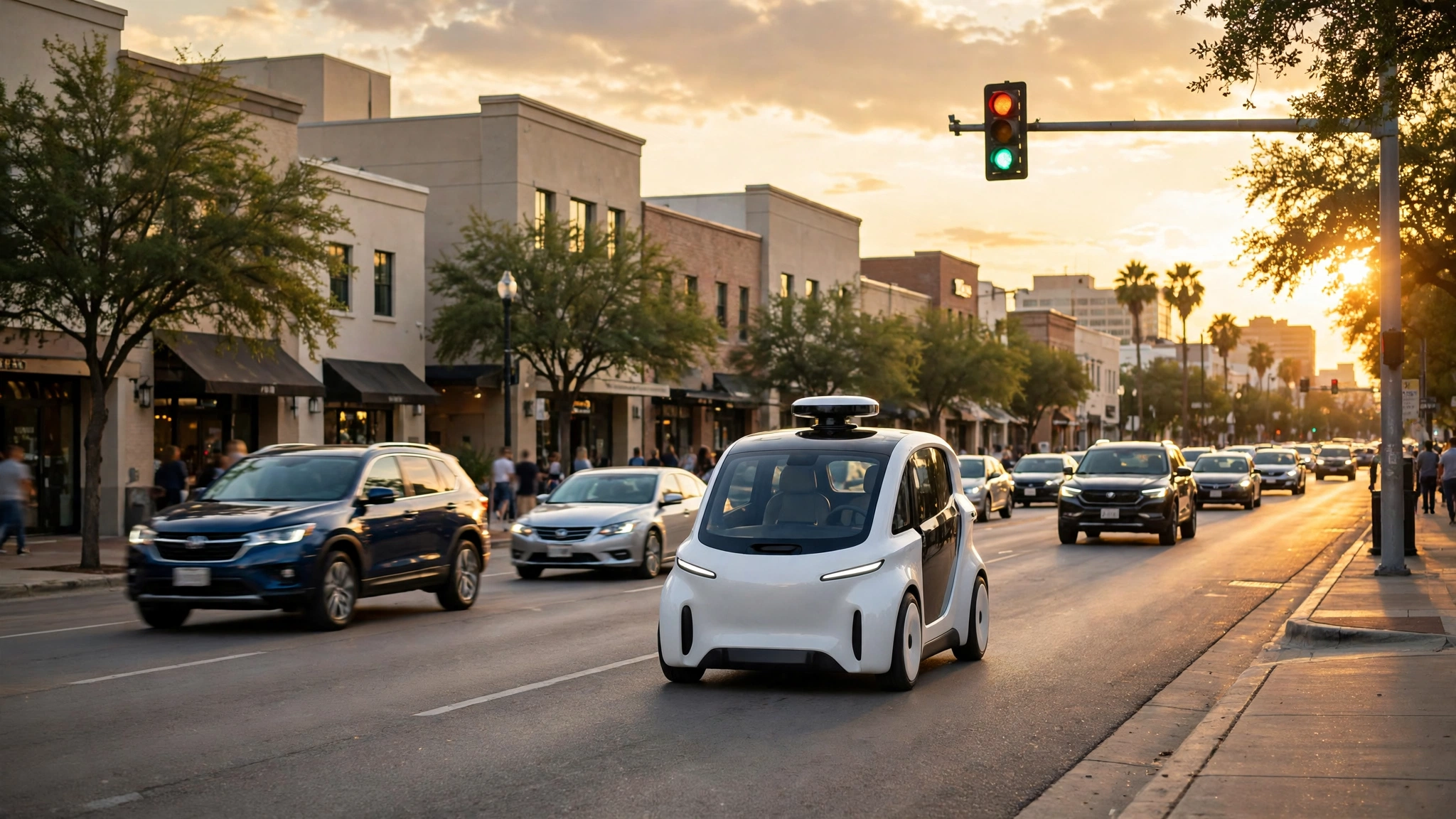
Those areas are smaller than Tesla advertises, according to independent testing cited by Electrek. One tracker tested thousands of addresses in the Robotaxi app and found that the areas where Tesla actually accepts pickups and drop-offs were only 59 percent to 78 percent of the advertised geofences in the six cities he checked. In Austin, the city where Tesla plans to deliver these cars, the figure was about 59 percent.
Owners also cannot use the car to earn money. The order terms bar commercial use, which means no Uber, no DoorDash and no listing the car on Tesla’s own Robotaxi Network, according to The Verge’s reading of the fine print.
A regulator is still looking
The sale comes while a federal safety review is still open. Shortly after the Cybercab entered commercial service as a robotaxi, the National Highway Traffic Safety Administration opened an audit query into the process Tesla used to certify the car. “The vehicles lack permanently attached, conventional manual controls, such as a brake pedal, gas pedal, steering wheel and mirrors,” the agency said at the time.
Tesla answered the agency on October 30 and asked that the entire response be kept confidential. The agency has not ruled.

Elon Musk promised a Cybercab priced below $30,000 when he unveiled the car in 2024, and the $29,990 sticker meets that promise. The subscription changes the math: at $299 a month, five years of payments add about $17,940, and Electrek put the five-year cost of the car at about $47,600 before insurance, maintenance, taxes and charging.
Reporting based on coverage by Electrek and Engadget.