Türkiye’s Parliament Approves Mutual Defense Pact With Saudi Arabia and Pakistan
Lawmakers voted 279 to 119 to ratify the Mecca Joint Defense Agreement, which treats an armed attack on any of the three countries as an attack on all three.
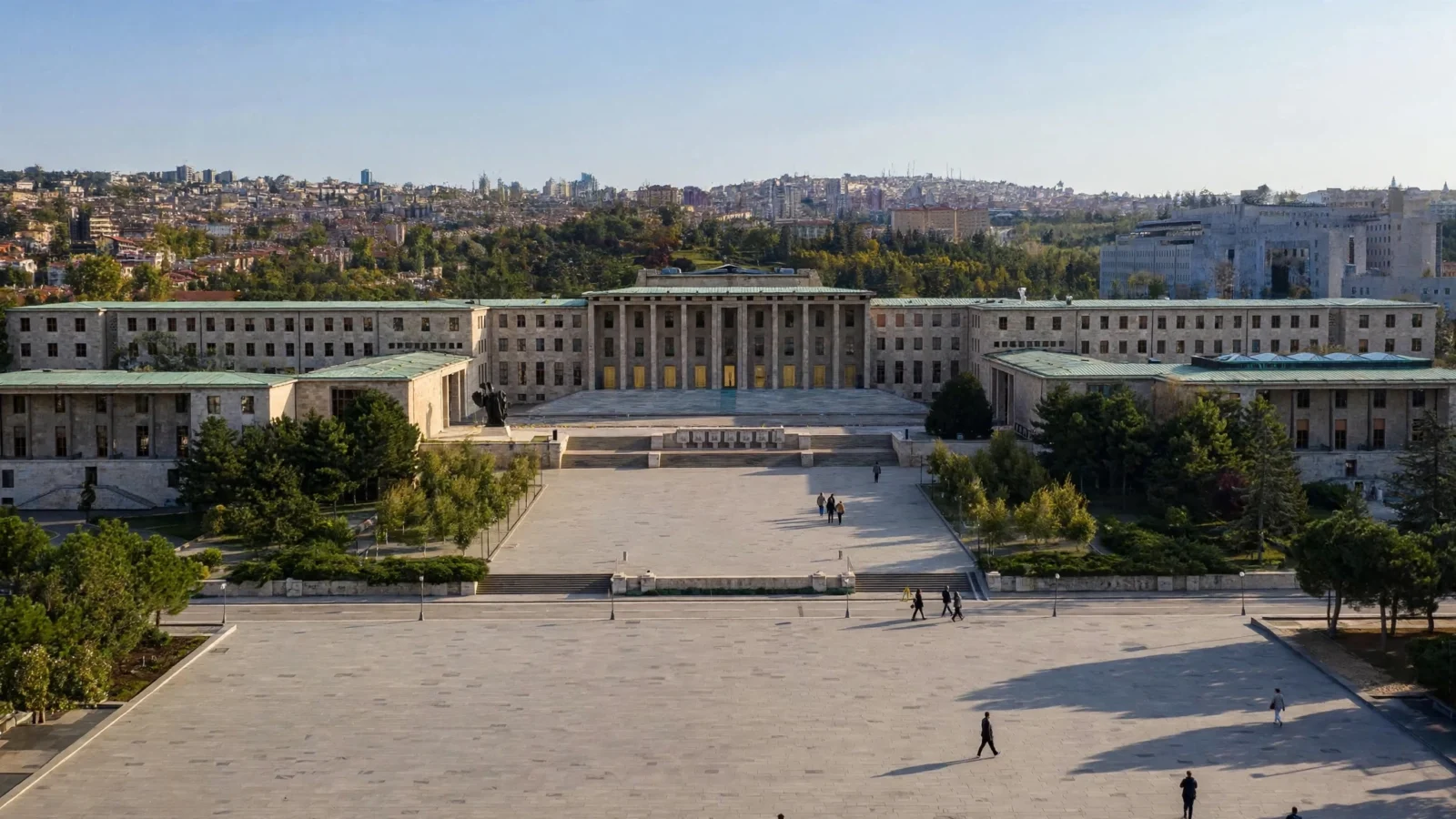
Türkiye’s parliament has approved a mutual defense agreement with Saudi Arabia and Pakistan that treats an armed attack on one country as an attack on all three, despite warnings from opposition lawmakers that the pact could draw Ankara into regional conflicts.
The Mecca Joint Defense Agreement was approved Thursday by 279 votes to 119, completing Türkiye’s parliamentary ratification process. A total of 398 lawmakers took part in the vote, Turkish media reported. The ruling Justice and Development Party, its ally the Nationalist Movement Party and the opposition Republican People’s Party supported the agreement, while the New Party, the İYİ Party, the pro-Kurdish Peoples’ Equality and Democracy Party and other opposition lawmakers voted against it.
Turkish President Recep Tayyip Erdoğan, Saudi Crown Prince Mohammed bin Salman and Pakistani Prime Minister Shehbaz Sharif signed the 16-article agreement in Mecca on August 7. Parliament’s Foreign Affairs Committee approved the ratification bill on October 27.

What the pact covers
Under the pact’s central collective defense provision, an external armed attack on any of the three countries will be considered an attack on all of them. The other parties are required to provide assistance, which can include military support, although its nature and scope are to be set through consultations. Article 1 of the accord says the signatories shall use “all necessary means” to eliminate threats to one another’s territorial integrity.
The pact also provides for intelligence sharing, joint military exercises and training, logistical support, counterterrorism cooperation and closer defense industry ties, including technology transfers, joint research and development projects and joint production. The provision mirrors Article 5 of the North Atlantic Treaty, which states that an attack on one NATO member is treated as an attack on all.
No member may withdraw during the first 10 years after the pact enters into force. The agreement also leaves open the possibility of other countries joining, with the approval of the existing members, and Syria’s government has already expressed interest, according to Al Jazeera.
Opposition warnings and government replies
Opposition lawmakers who rejected the agreement argued that Türkiye could become involved in conflicts arising from Saudi Arabia’s confrontation with Yemen’s Iran-backed Houthi rebels or tensions between Pakistan and India.

The New Party, led by former Republican People’s Party chairman Özgür Özel, has been among the strongest critics. “The New Party will never remain silent about or support Turkey being made a party to the war and Turkish soldiers being sent to the deserts of Yemen,” Özel said. İYİ Party leader Müsavat Dervişoğlu said, “We say ‘No’ to turning Turkish soldiers into Aramco’s legionnaires; we say ‘No’ to the Mecca Agreement,” referring to Saudi Arabia’s state-controlled oil giant.
Critics also questioned what additional security benefits the pact would give Türkiye, which has been a NATO member since 1952 and has the alliance’s second-largest military, and raised concerns about possible conflicts between Türkiye’s obligations under the two alliances.
Government officials rejected those claims. Foreign Affairs Committee Chairman Fuat Oktay said any deployment of Turkish troops for combat abroad would still require parliamentary authorization under Article 92 of the constitution. Foreign Minister Hakan Fidan has ruled out sending Turkish troops to conduct offensive operations in Yemen, while Defence Minister Yasar Guler said in October, “We absolutely do not foresee entering into any conflict with the Houthis,” adding that Turkish support “would be to strengthen deterrence.”

The ratification comes as Riyadh continues to face attacks by Yemen’s Iran-backed Houthis. The three countries held the first meeting of the Strategic Political and Defense Committee, a body set up by the agreement, in Istanbul on August 31. At an emergency meeting in Riyadh on October 5, they agreed to arrange the rapid deployment of military forces and capabilities to Saudi Arabia as Houthi missile and drone attacks on the kingdom intensified. On Thursday, Saudi Arabia announced it had intercepted a drone in the region of Medina.
Saudi Arabia and Pakistan had already completed their domestic ratification procedures. The agreement will enter into force after the final ratification documents are deposited with the pact’s secretariat.
Reporting based on coverage by Turkish Minute and Al Jazeera.