U.S. Heating Bills to Rise 7% This Winter as Heating Oil Costs Jump 70%
American households will pay an average of $1,002 to heat their homes this winter, up 7.1% from last year, according to a new forecast from the National Energy Assistance Directors Association. Households that heat with oil face a 70% jump in costs.
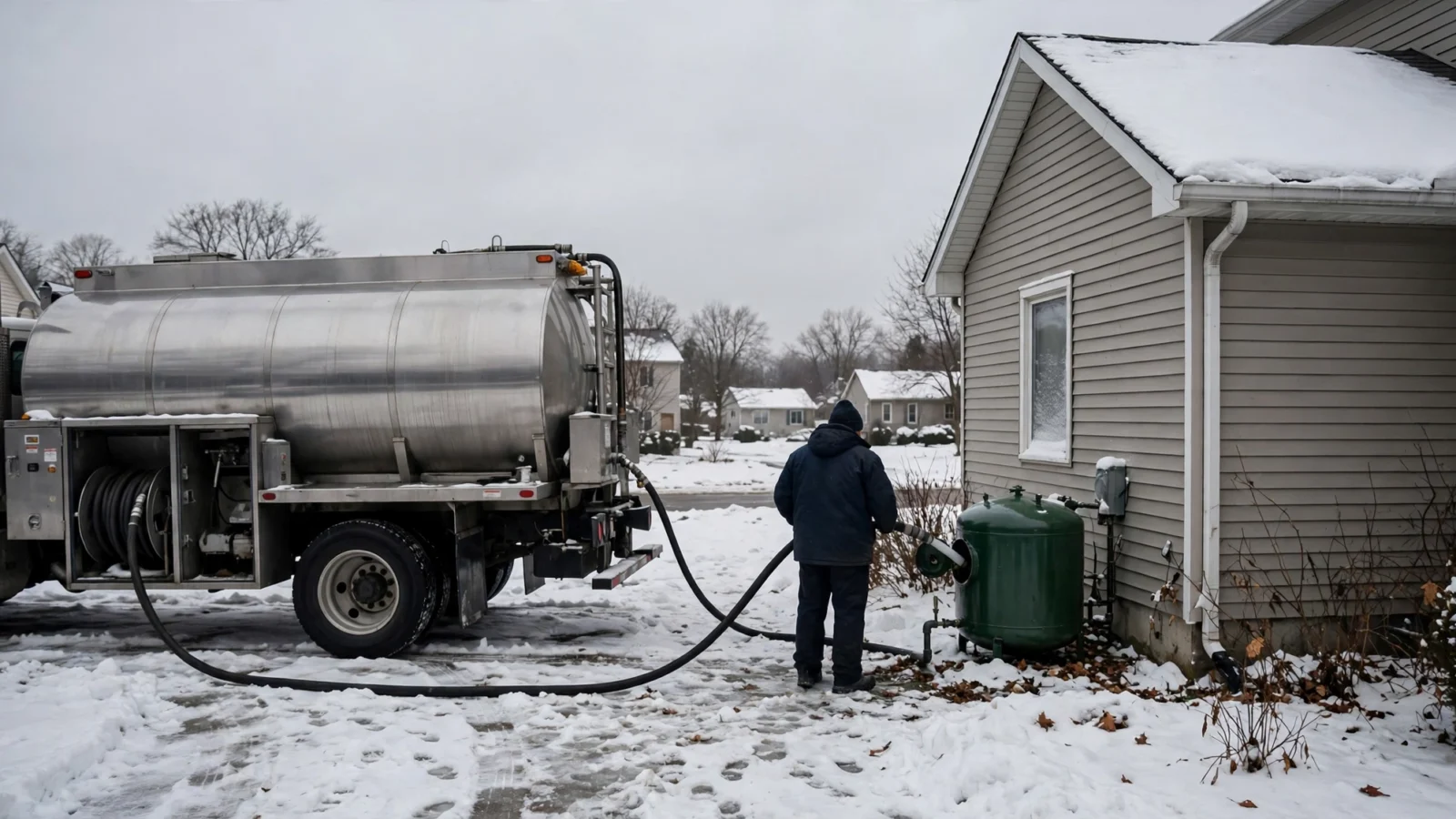
American households will pay an average of $1,002 to heat their homes this winter, a 7.1% increase from last winter, according to a new forecast from the National Energy Assistance Directors Association.
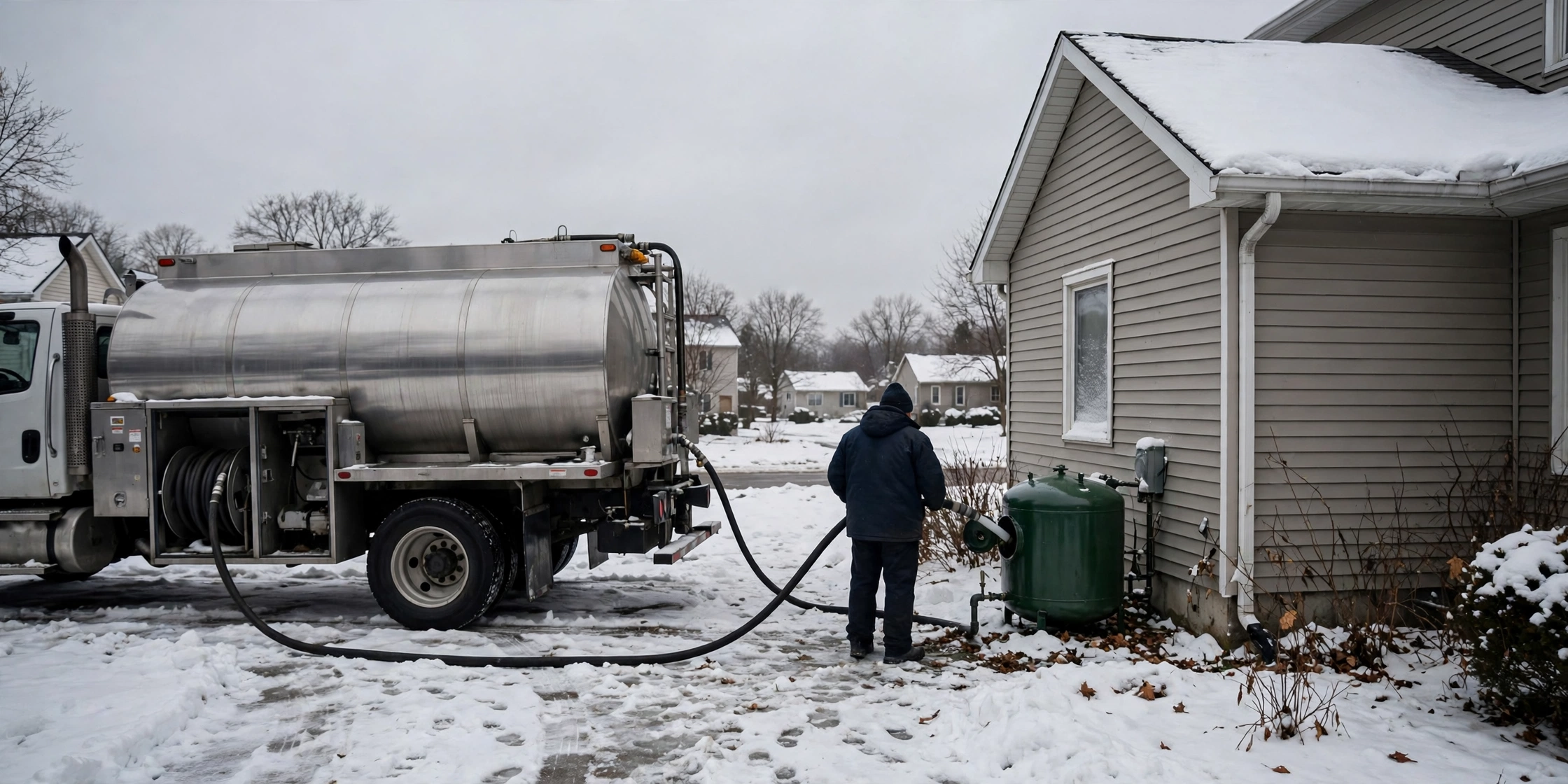
The association, which represents state energy assistance directors, put the increase at $66 over last winter’s average of $936. Households that heat with oil face far larger bills: their costs are projected to rise 70.2%, to $2,977 for the season, from $1,749 last year. Nearly 5 million households heat with oil.
Electricity costs are projected to rise 6%, to $1,215, and propane costs 5%, to $1,350, while natural gas costs are expected to stay about the same, according to the forecast.
Oil users in the Northeast face the steepest bills
Heating oil is used mostly in older homes built before 1990, and its use is concentrated in the Northeast. About 59% of households in Maine heat with oil, along with 43% in New Hampshire, 40% in Vermont, 39% in Connecticut, 29% in Rhode Island, 24% in Massachusetts, 19% in New York and 16% in Pennsylvania, according to U.S. Census Bureau data cited in the report.
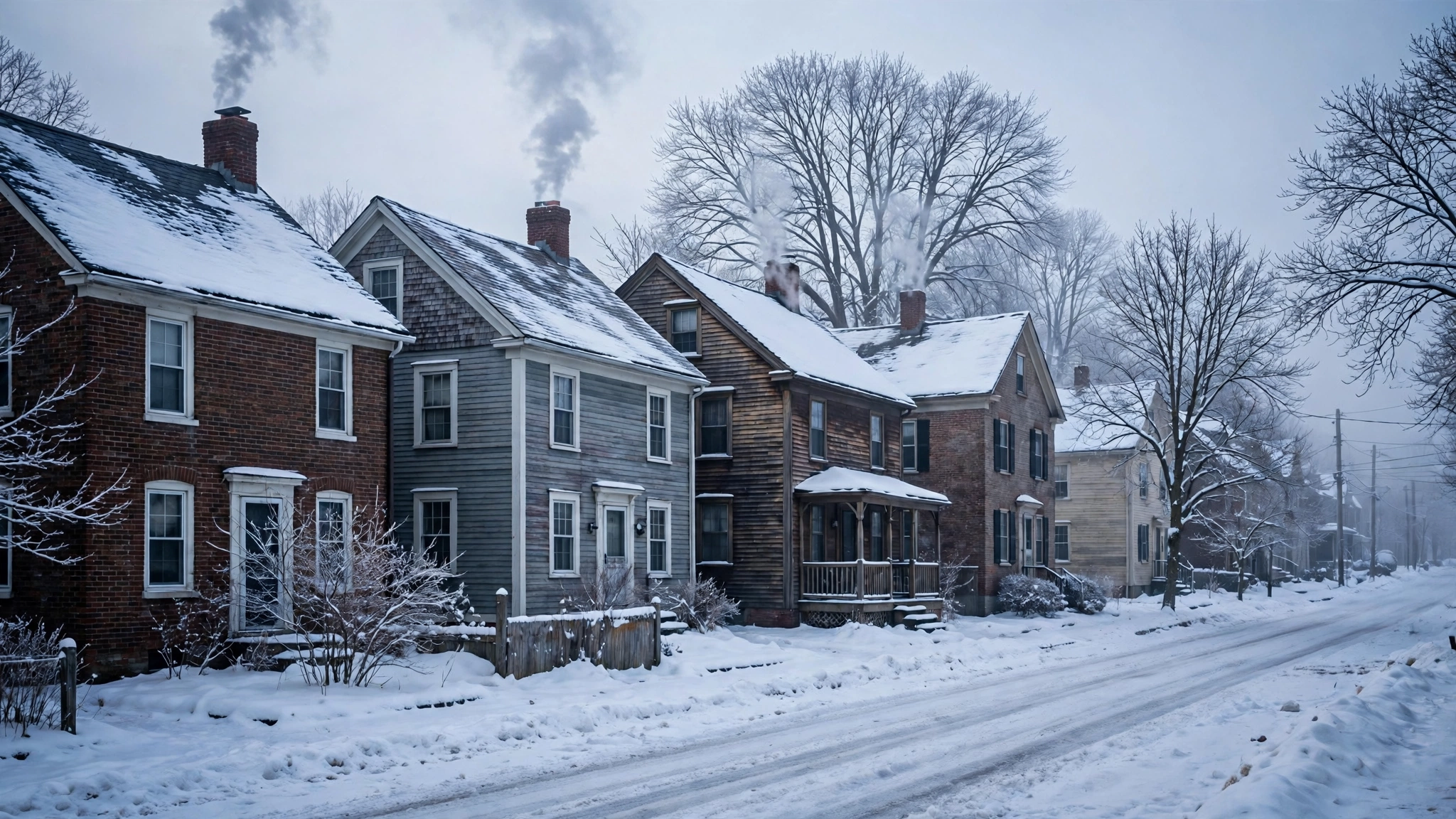
Average heating bills in the Northeast are projected to rise 16.9%, or $221, to $1,532 this winter from $1,311 last winter.
The forecast ties the pressure on heating oil to the war with Iran. Heating oil is the same distillate as diesel, which is also used to make jet fuel, and refiners have had to choose between producing jet fuel or heating oil when supplies run short, according to Joe Adamski, managing director of the supply chain consultancy ProcureAbility. “Heating oil costs are a direct consequence of the Iran war,” Adamski told the New York Post.
National average residential heating oil prices stood at $6.14 a gallon in the week ending November 2, according to the U.S. Energy Information Administration, down from $6.23 the week before but still about 69% higher than a year earlier.
Many households already behind on utility bills
About one in six households are behind on utility payments, owing about $23 billion in all, the association said. More than a quarter of families said they had cut back heating and cooling to uncomfortably low levels to save money, and 19% said they had cut back on groceries or switched to cheaper food, according to a Consumer Reports survey from August.

“For higher-income households, these increases may be an inconvenience. For low- and middle-income families, they can be devastating,” Mark Wolfe, the association’s executive director, said in a statement. “Families are already struggling with rising costs for food, housing and other necessities. Adding hundreds or even thousands of dollars to their winter heating bills will push many of them further into debt.”
Forecasters expect a milder start to the winter because of a strong El Niño, which could hold down heating oil use. But Wolfe cautioned families not to count on prices falling. “For planning purposes, we believe it is prudent to assume that heating oil prices will remain elevated throughout the winter heating season,” he said.
Reporting based on coverage by the New York Post.