Wall Street Expects US to Hit $41.1 Trillion Debt Limit as Early as February
Strategists expect the Treasury to reach its $41.1 trillion borrowing limit as early as February 2027, according to Bloomberg, with about $747 billion of room left under the cap as of November 5.
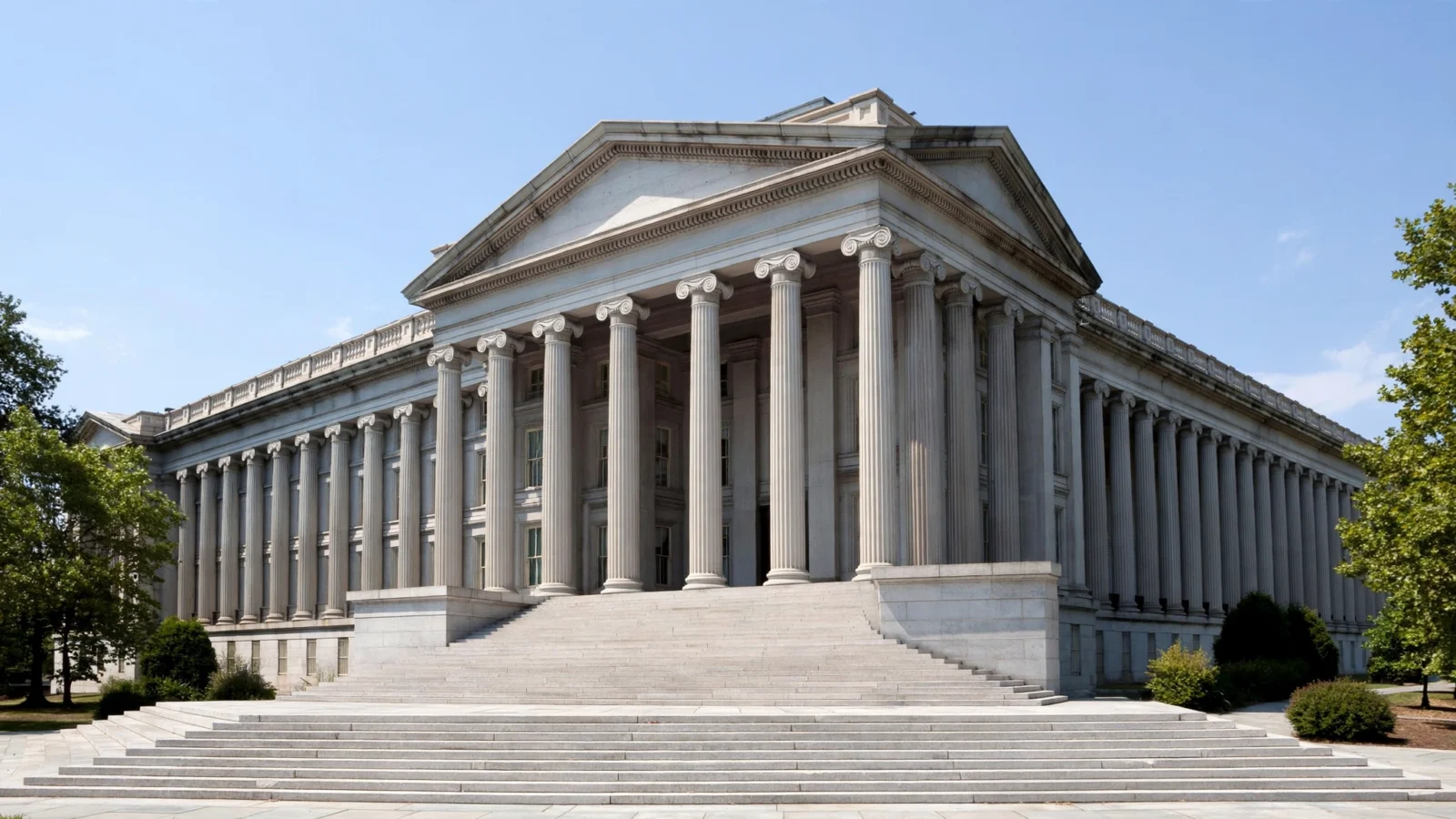
The United States Treasury could reach its $41.1 trillion debt limit as early as February 2027, Wall Street strategists expect, according to Bloomberg. Congress raised the limit by $5 trillion in a 2025 law, and the Treasury is now using nearly all of the room that increase created.
Debt subject to the limit stood at $40.36 trillion on November 5, according to the Daily Treasury Statement, leaving $746.74 billion of room, or 98.2 percent of the limit used. The Treasury’s cash balance closed that day at $922.75 billion, and total public debt outstanding was $40.56 trillion. The room under the limit has shrunk from $3.21 trillion in late October 2025.
What happens when the limit is reached

Once debt hits the limit, the Treasury cannot issue new debt that counts against it. It can keep paying its bills for a while with cash on hand and with accounting steps the law allows, called extraordinary measures, such as suspending new investment of some federal employee retirement funds. Those steps, together with the cash balance, set how long the Treasury can keep paying after the limit is reached. The day they run out is often called the X-date, and the Bloomberg report put a funding crunch in late 2027.
The Congressional Budget Office, in its February 2026 baseline, projected that debt subject to the limit would reach $41.43 trillion at the end of fiscal year 2027, the first year-end above the current limit. Under current law the limit would be reached before then unless Congress raises or suspends it.
Congress must act, with a divided government
Raising or suspending the limit falls to Congress, where Democrats won control of both chambers in this week’s midterm elections. The two parties will have to agree on a debt-limit measure, and the calendar is crowded: the stopgap law funding the government runs to December 11, 2026, and the Federal Reserve meets December 8 and 9.
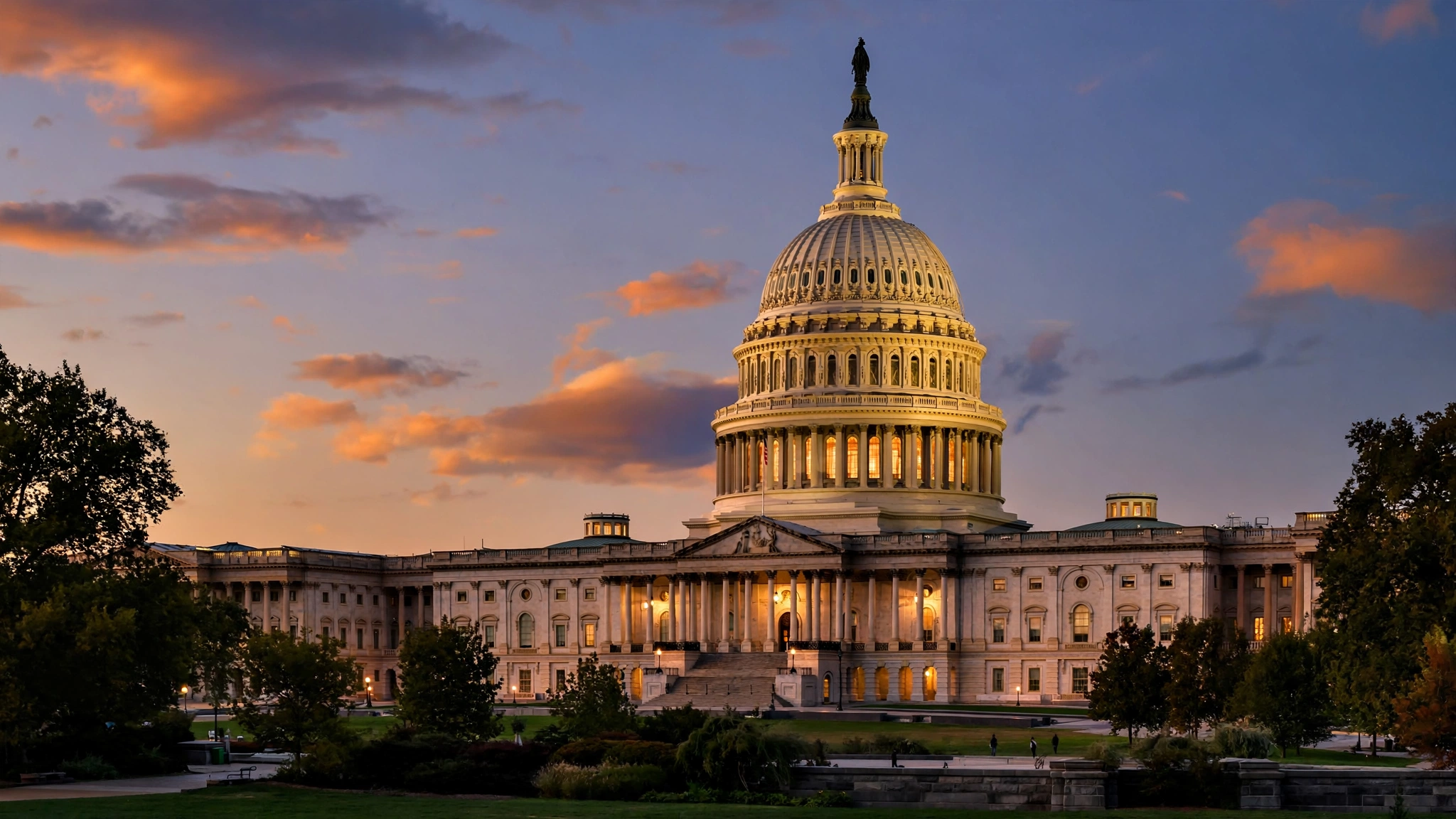
Markets are already watching the timeline. The prospect of the limit binding has raised concerns about constraints on Treasury issuance and about bond yields, and pricing in Treasury markets has shifted as the expected date has moved closer. A delay in raising the limit would leave the government with less room to respond to a downturn or a crisis without defaulting on its obligations.

Reporting based on coverage by Crypto Briefing, reporting Bloomberg Markets, and Treasury data compiled by 500metrics.