Renting vs. Buying a Home: What Each Costs and How to Choose
Renting buys flexibility and lower upfront costs; buying builds equity but demands more cash and commitment. Here is how to tell which one fits your situation.
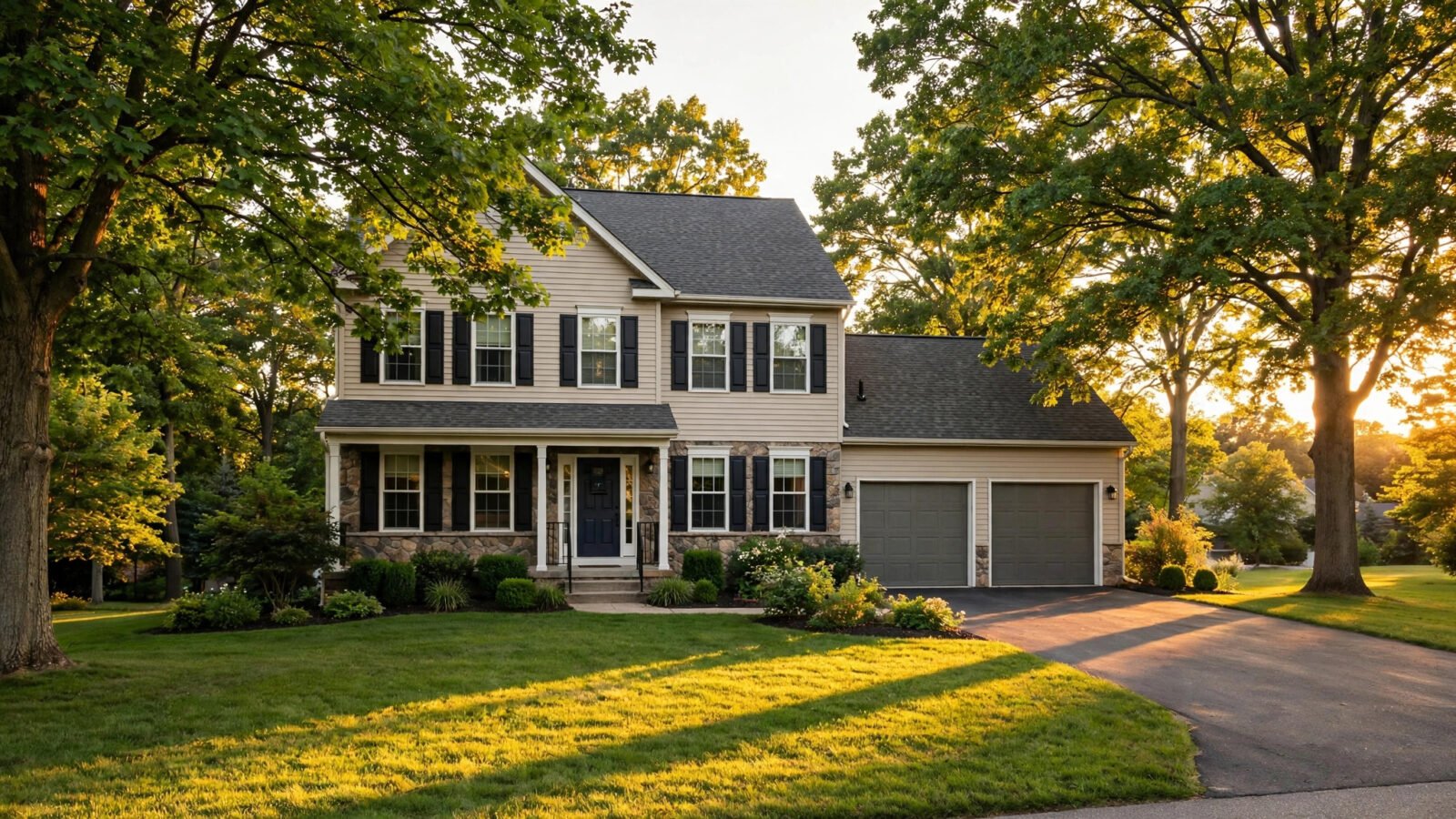
Many Americans treat the rent-or-buy question as a math problem with a single right answer. It does not have one. Renting and buying are two ways to pay for a place to live, and each wins under different conditions: how long you will stay, how much cash you have saved, how steady your income is, and how much financial risk you can carry. Here is how each option actually works.
How renting works
Renting means paying a landlord for the use of a home you do not own. A lease, usually for 12 months, sets the monthly rent and the rules for the property. You typically pay a security deposit and sometimes the first and last month’s rent up front. The landlord owns the building and must keep it habitable; major repairs are their job in most states.
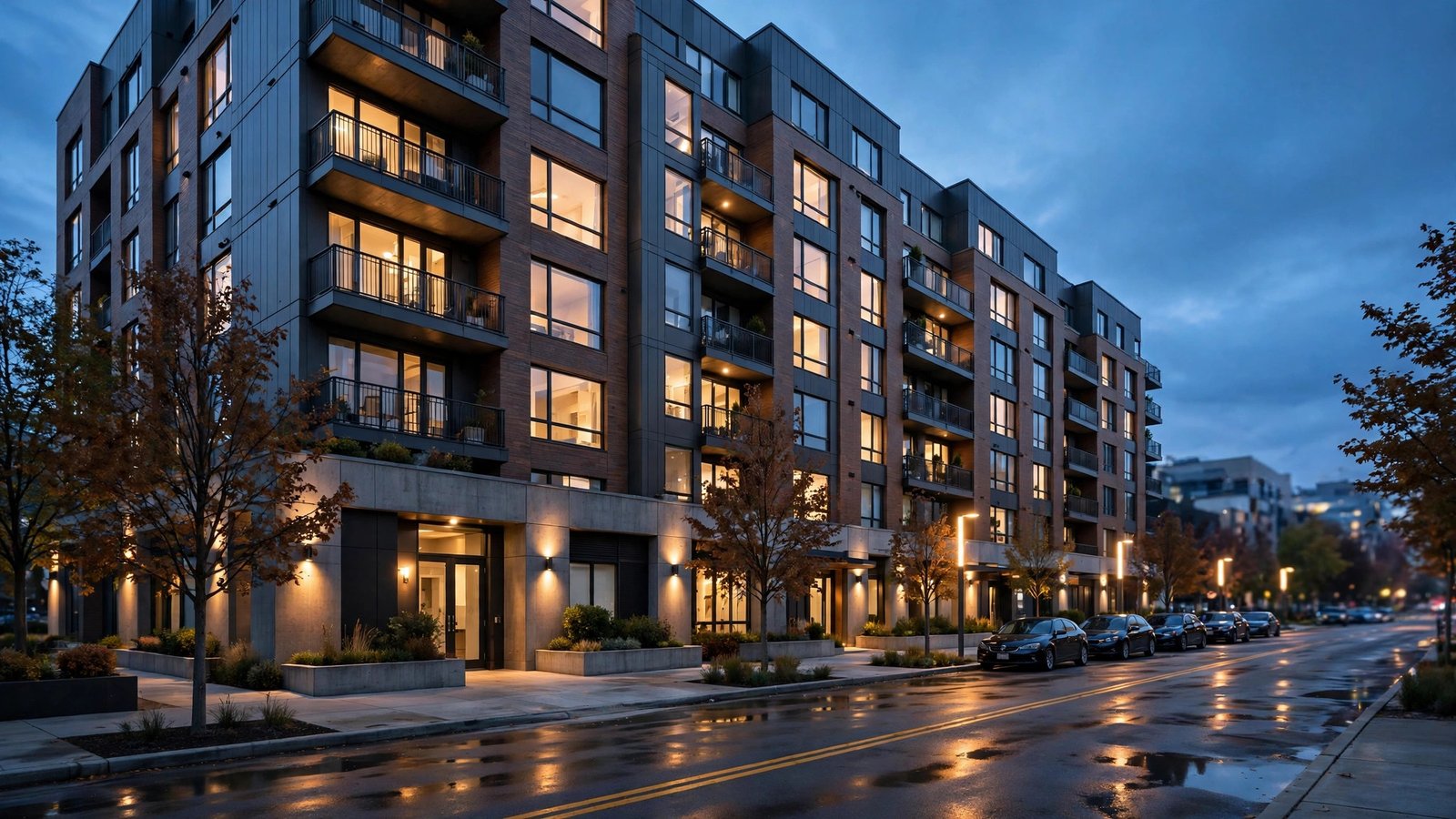
Your rent covers shelter, not ownership. None of it builds equity. When the lease ends, you can renew, try to negotiate the rent, or move somewhere else. Renters insurance is separate and usually costs a few hundred dollars a year; it covers your belongings, not the building.
How buying works
Buying means taking ownership of the property. Most buyers finance the purchase with a mortgage: a lender puts up most of the price, and you repay it month by month with interest, usually over 15 or 30 years. Each payment has two parts, principal and interest, and early in the loan most of the money goes to interest. Mortgage rates move with the market, so the rate quoted today is not a permanent fact.

The mortgage is only part of the bill. Owners also pay property taxes, which local governments set and which vary widely by state and county; homeowners insurance, which lenders require; and all maintenance and repairs. Closing costs, including lender fees, title work, appraisals, and transfer taxes, add roughly 2 to 5 percent of the purchase price at closing. The reward for all of this: each payment shrinks the loan and grows your equity, the share of the home you actually own.
Renting vs. buying, side by side
| Renting | Buying | |
|---|---|---|
| What it is | Paying a landlord for the use of a home under a lease | Purchasing a home, usually with a mortgage, and owning it |
| Who can do it | A signed lease, proof of income, and usually a modest credit check | Steady income, qualifying credit, a down payment, and cash for closing costs |
| Monthly costs | Rent, plus renters insurance and often utilities | Mortgage payment (principal and interest), property tax, homeowners insurance, maintenance, and sometimes HOA fees |
| Upfront costs | Security deposit, plus first and sometimes last month’s rent | Down payment, commonly 3 to 20 percent or more, plus closing costs of roughly 2 to 5 percent of the price |
| Pros | Flexibility to move; no repair bills; lower cost to get in | Builds equity; payments stay flat with a fixed-rate mortgage; full control of the space |
| Cons | No equity; rent can rise at renewal; limited control over the property | Large upfront cost; repairs are yours; harder to move; home values can fall |
| Best for | Short stays, uncertain plans, or tight savings | Long stays in one place, steady income, and solid cash reserves |
Which one fits your situation
Choose renting if you expect to move within a few years, if you do not yet have cash for a down payment and closing costs, if your job or life plans are in flux, or if you want housing costs without repair surprises. Renting is not wasted money; it buys flexibility and lower risk.

Choose buying if you plan to stay in the area for many years, if your income is steady, if you have savings beyond the down payment for repairs and emergencies, and if the full monthly cost of owning fits comfortably in your budget. The mortgage interest deduction on federal taxes can soften the cost, subject to current tax rules.
Neither choice is throwing money away. Rent buys flexibility and lower risk. A mortgage buys equity and control. The right answer is the one that matches your timeline, your savings, and your tolerance for risk.
Explainer based on homebuyer and renter guidance published by the Consumer Financial Protection Bureau, the Federal Housing Finance Agency, and the U.S. Department of Housing and Urban Development.