Trump Gives Iran Until Saturday Evening to Reopen Strait of Hormuz, Halts Power Plant Strikes for Five Days
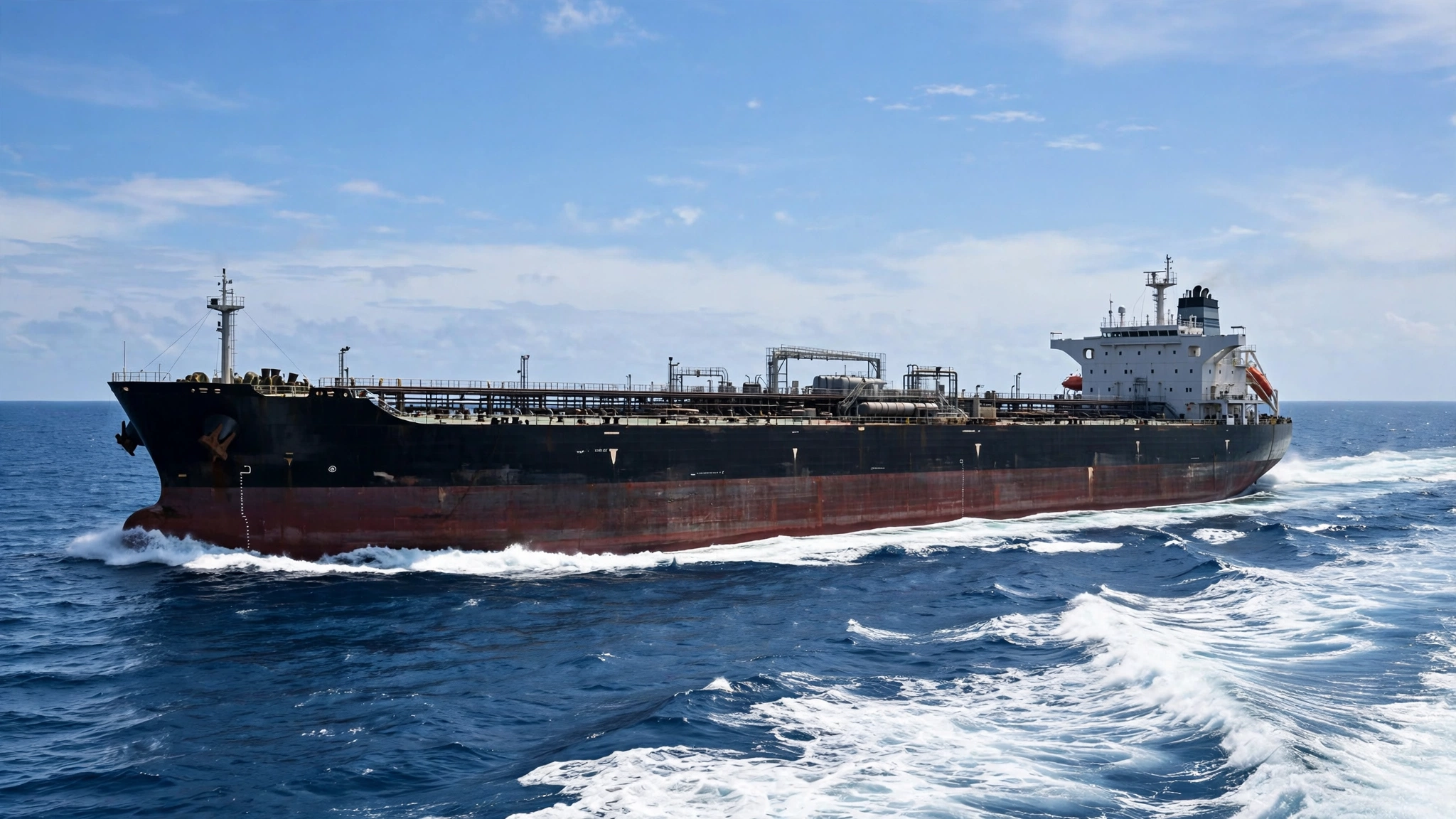
President Donald Trump pushed his deadline for Iran to reopen the Strait of Hormuz to Saturday evening and ordered a five-day pause on strikes against Iranian power plants, saying recent talks with Tehran were productive even as Iran denied any negotiations were underway.
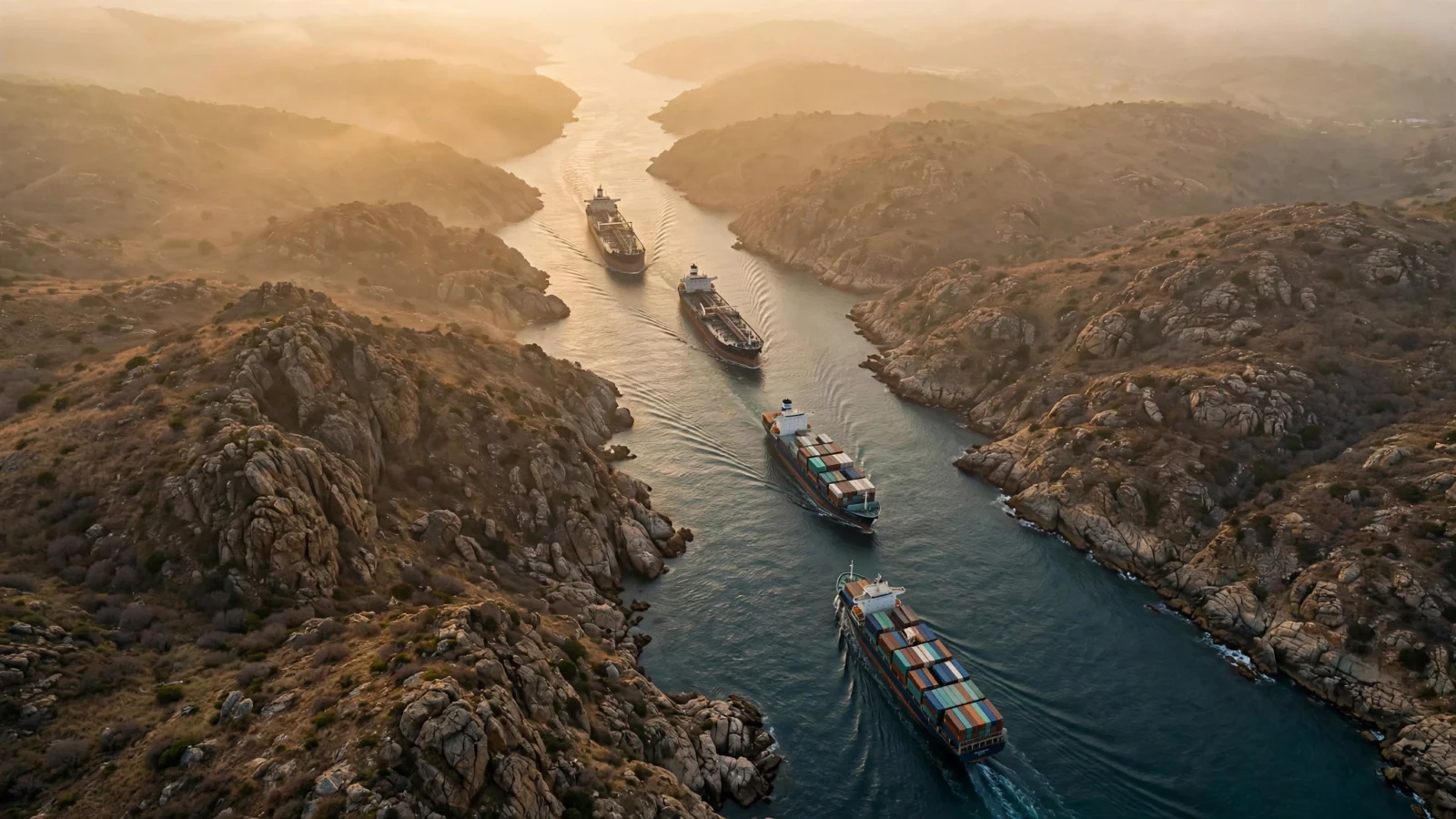
WASHINGTON — President Donald Trump said Monday he has given Iran until Saturday evening to reopen the Strait of Hormuz, extending a two-day ultimatum that would have triggered American strikes on Iranian power plants Monday night.
Trump announced the shift in a Truth Social post, writing that the United States and Iran had held “very good and productive conversations regarding a complete and total resolution of our hostilities in the Middle East.” He said he had “instructed the Department of War to postpone any and all military strikes against Iranian power plants and energy infrastructure for a five day period, subject to the success of the ongoing meetings and discussions.”
The original ultimatum was set to expire Monday. Trump said Saturday that the strikes would begin Monday night, “starting with the biggest one first.”
Iran denies talks are happening
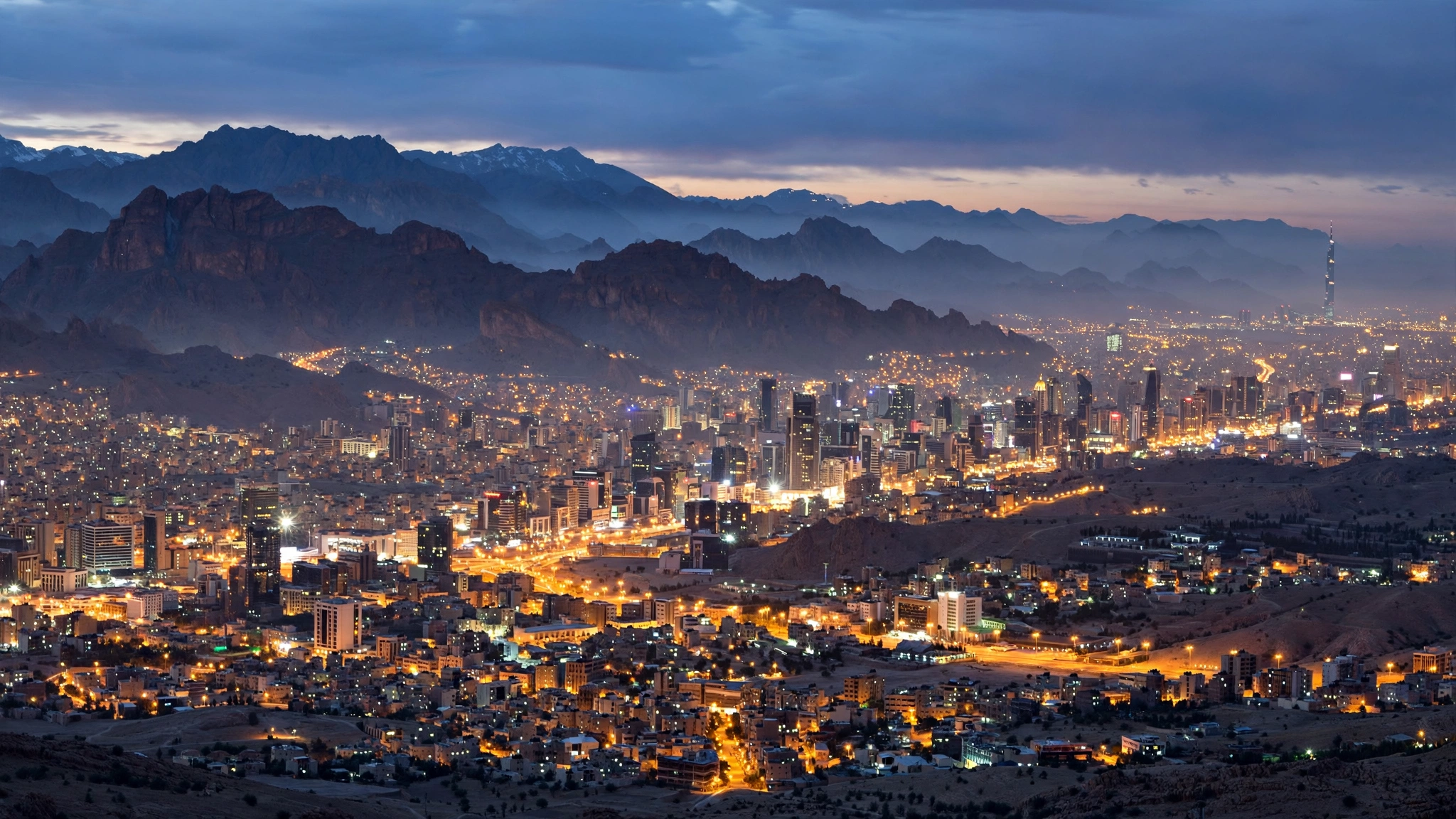
Iranian media denied Monday that any negotiations were underway. The Mehr news agency, citing Iran’s foreign ministry, said, “There are no talks between Tehran and Washington,” and described Trump’s statements as part of an effort “to reduce energy prices.”
Tehran has also warned that it could close the waterway entirely if its energy infrastructure is attacked, and that it would strike power facilities of American allies across the Middle East, including plants that supply electricity to United States military bases.
Allies weigh a role in guarding the strait
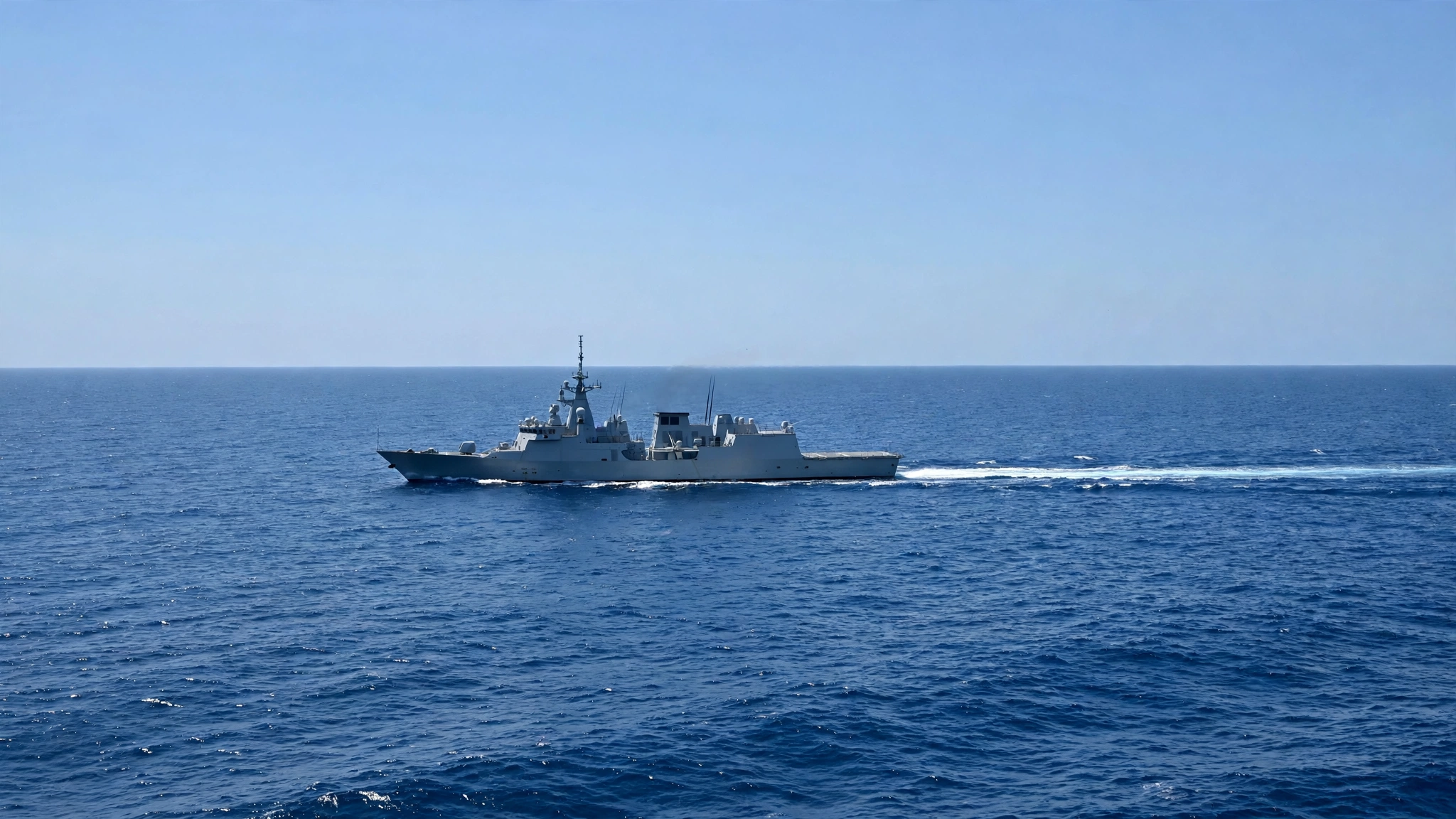
NATO Secretary General Mark Rutte said Sunday that at least 22 countries are weighing steps to help secure the Strait of Hormuz. “Since Thursday, 22 countries, most of them NATO, but also Japan, Korea, Australia, New Zealand, Bahrain, the UAE, have come together,” Rutte said, adding that the countries were working through what each could contribute and when.
On Sunday’s talk shows, United States Ambassador to the United Nations Mike Waltz said Trump “stands by his red lines.” Asked on CBS’s “Face the Nation” whether the strikes could target Iran’s still-operating nuclear power plants, Waltz said, “I would never take anything off the table for the president, certainly not on national television.” He noted that Iran has larger gas-fired and thermal plants outside Tehran and other cities, and said the Islamic Revolutionary Guard Corps controls much of the country’s infrastructure.
Speaking to reporters aboard Air Force One on Monday while traveling to Memphis, Tennessee, Trump said the administration was speaking with “a top person” in Iran and claimed “we have major points of agreement.” He confirmed the United States is not dealing with Iran’s newly appointed supreme leader, Mojtaba Khamenei, whose father, Ayatollah Ali Khamenei, was killed in United States-Israeli strikes on the first day of the war.
“They want very much to make a deal. We’d like to make a deal too,” Trump said. “We’re doing a five day period. We’ll see how that goes, and if it goes well, we’re going to end up with settling this. Otherwise, we’ll just keep bombing our little hearts out.”
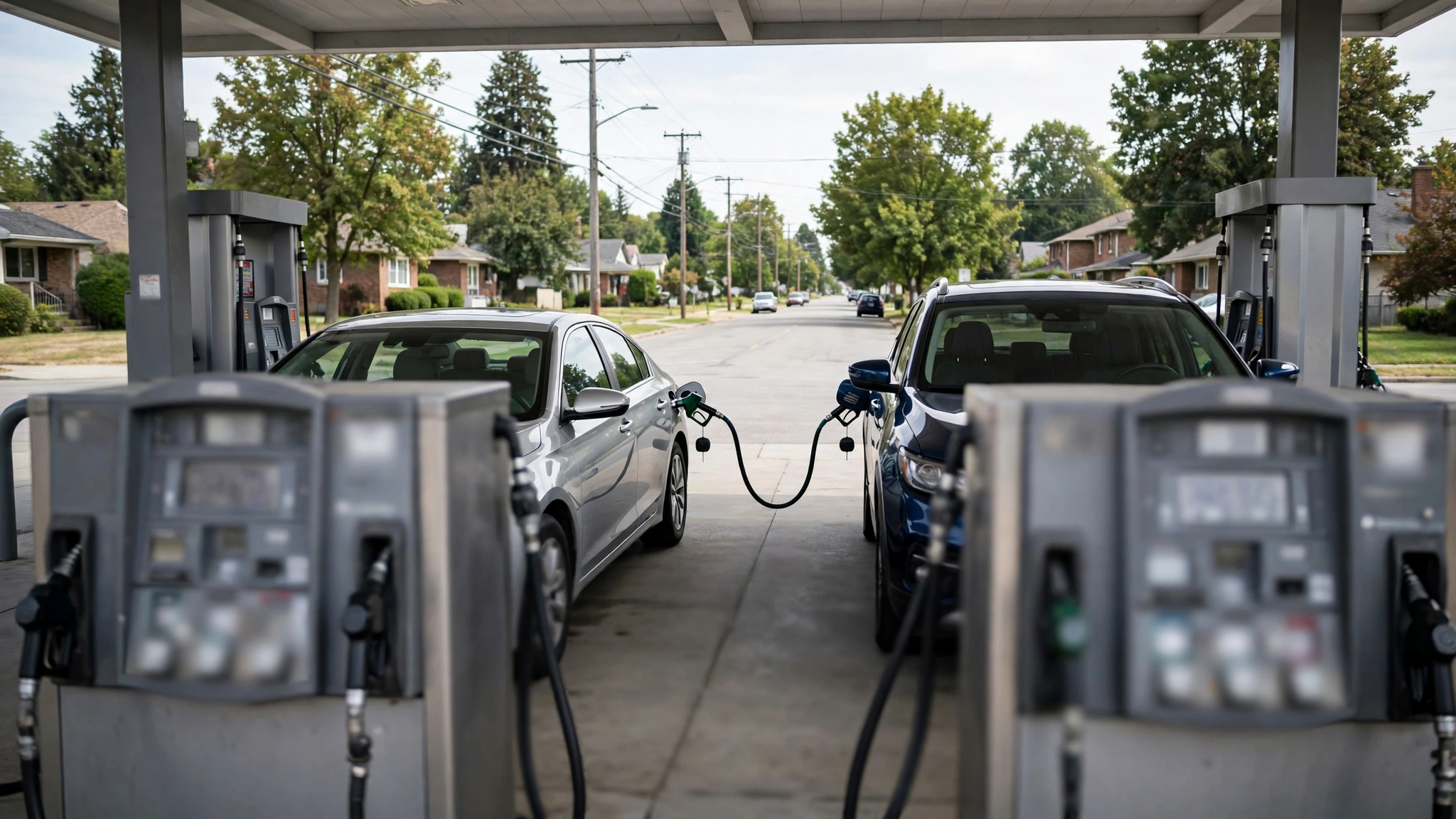
The announcement came as gasoline prices continued to climb across the United States. The national average stood at $3.96 a gallon Monday morning, according to AAA, nearly a dollar higher than when the war began on Feb. 28.
In Dubai, the English-language Gulf News reported that Israel is preparing for weeks of fighting against Iran-backed forces and Hezbollah in Lebanon. Turkey’s foreign ministry declined Monday to say whether it had carried messages between Washington and Tehran, though Foreign Minister Hakan Fidan held a series of calls over the weekend with officials from Iran, Qatar, Saudi Arabia, Pakistan, Egypt and the European Union.
Reporting based on coverage by The Well News.