Supreme Court Rejects Khalid Sheikh Mohammed’s Appeal to Revive 9/11 Plea Deal
The court declined to revive a 2024 plea deal that would have spared the alleged 9/11 mastermind the death penalty, leaving a military trial — already delayed 14 years by disputes over evidence from CIA custody — as the only path forward.
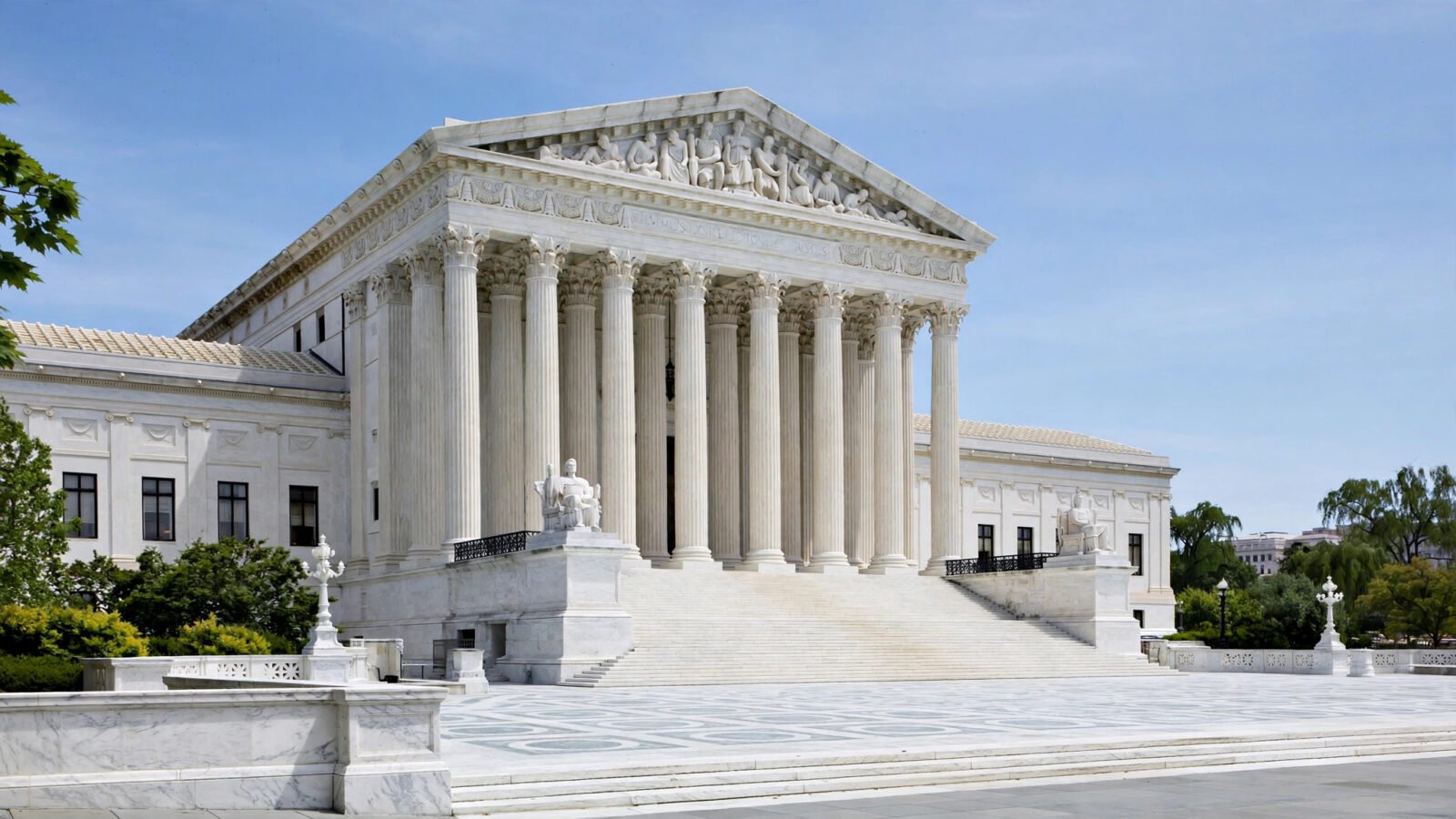
WASHINGTON — The Supreme Court on Monday declined to weigh in on a disputed plea agreement for Khalid Sheikh Mohammed, the man accused of masterminding the Sept. 11, 2001, attacks, leaving a long-stalled military trial as the path to resolve a case now a quarter century old.
The court rejected an appeal from Mohammed and alleged al Qaeda accomplices who sought to plead guilty under a 2024 agreement that would have taken the death penalty off the table. The deal had been accepted by the official overseeing the Pentagon’s war tribunal at Guantanamo Bay, then revoked days later by then-Defense Secretary Lloyd Austin after criticism from Republican lawmakers, according to USA Today.
Military courts said Austin had no legal authority to revoke the deal. A federal appeals court disagreed, using a rare legal authority that Mohammed’s lawyers called improper. His lawyers asked the Supreme Court to decide whether the agreement could stand, arguing the case was of such high national importance that the justices should have the final word.
Confession thrown out in August
Even without the plea fight, the government faces another hurdle. In August, a military judge threw out Mohammed’s confession to FBI agents, ruling it was not given voluntarily and cannot be used at trial. Prosecutors had already agreed to exclude statements Mohammed made in CIA custody, but had hoped his admissions to a “clean team” of FBI agents would be admissible. The judge’s decision strips prosecutors of what they have said is the centerpiece of their prosecution of Mohammed.

Mohammed, a Pakistani engineer who attended college in the United States, was subjected to waterboarding and other interrogation measures in secret CIA prisons before being transferred to Guantanamo Bay in 2006. For 14 years, the military commission proceedings have been delayed repeatedly by disputes over the defendants’ treatment in CIA custody and whether evidence gathered against them is admissible.
Families split on the path forward
Peaceful Tomorrows, an organization founded by family members of 9/11 victims, had urged the Supreme Court to restore the plea agreement. The lower court’s ruling, the group told the justices in a filing, means “indefinite further delay in seeing this long and painful prosecution brought to a close,” raising, it said, “the possibility that the prosecution of those responsible for the mass murder of thousands of people on U.S. soil will never be concluded.”
The Justice Department told the court that victims’ families are divided over whether the government should continue to seek the death penalty. Because that decision “implicates the interests of the entire nation,” the government said, it should be made by an official who is politically accountable to the public, like the defense secretary.
Reporting based on coverage by USA Today.