FDA Escalates Nationwide Recall of Compounded Tirzepatide Injections to Class II Over Sterility Concerns
The FDA has classified the nationwide recall of 22 vials of tirzepatide injections from Apothecary Pharma LLC as a Class II recall, warning that use of the compounded GLP-1 medication could cause temporary or medically reversible harm.
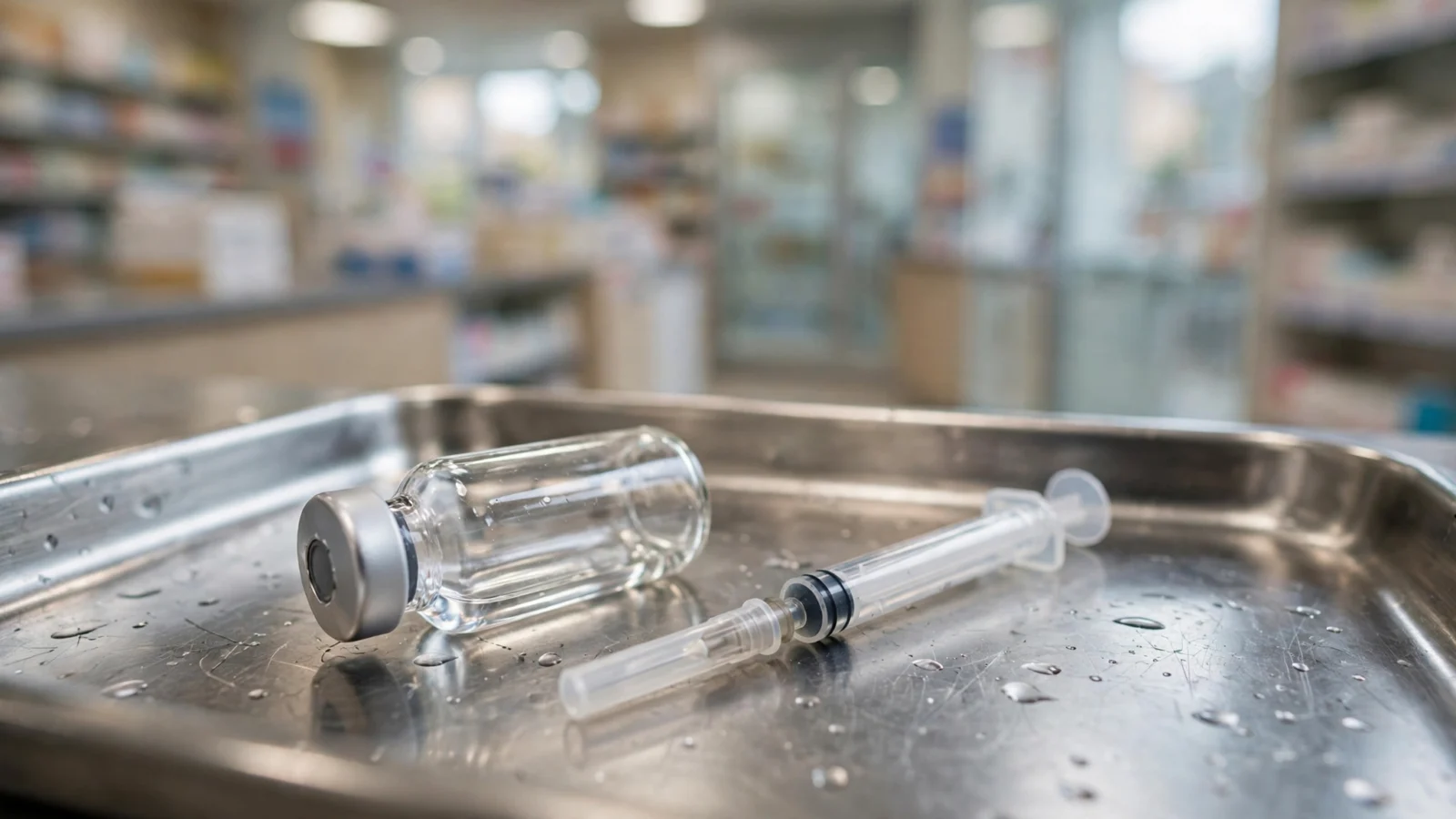
The Food and Drug Administration has raised the classification of a nationwide recall of compounded tirzepatide injections to Class II, after a compounding pharmacy voluntarily pulled 22 vials of the GLP-1 medication over questions about whether they were sterile.
Apothecary Pharma LLC initiated the voluntary recall on Sept. 24, citing a “lack of assurance of sterility,” according to an FDA notice. The agency updated the recall on Oct. 10 to Class II, meaning use of the medication could cause “temporary or medically reversible adverse health consequences.” The agency said the risk of serious harm is small.
The recalled injections are compounded versions of tirzepatide, the active ingredient in the brand-name drugs Zepbound and Mounjaro. Compounded versions are custom formulated by a compounding pharmacy and are not brand-name or FDA-approved products.
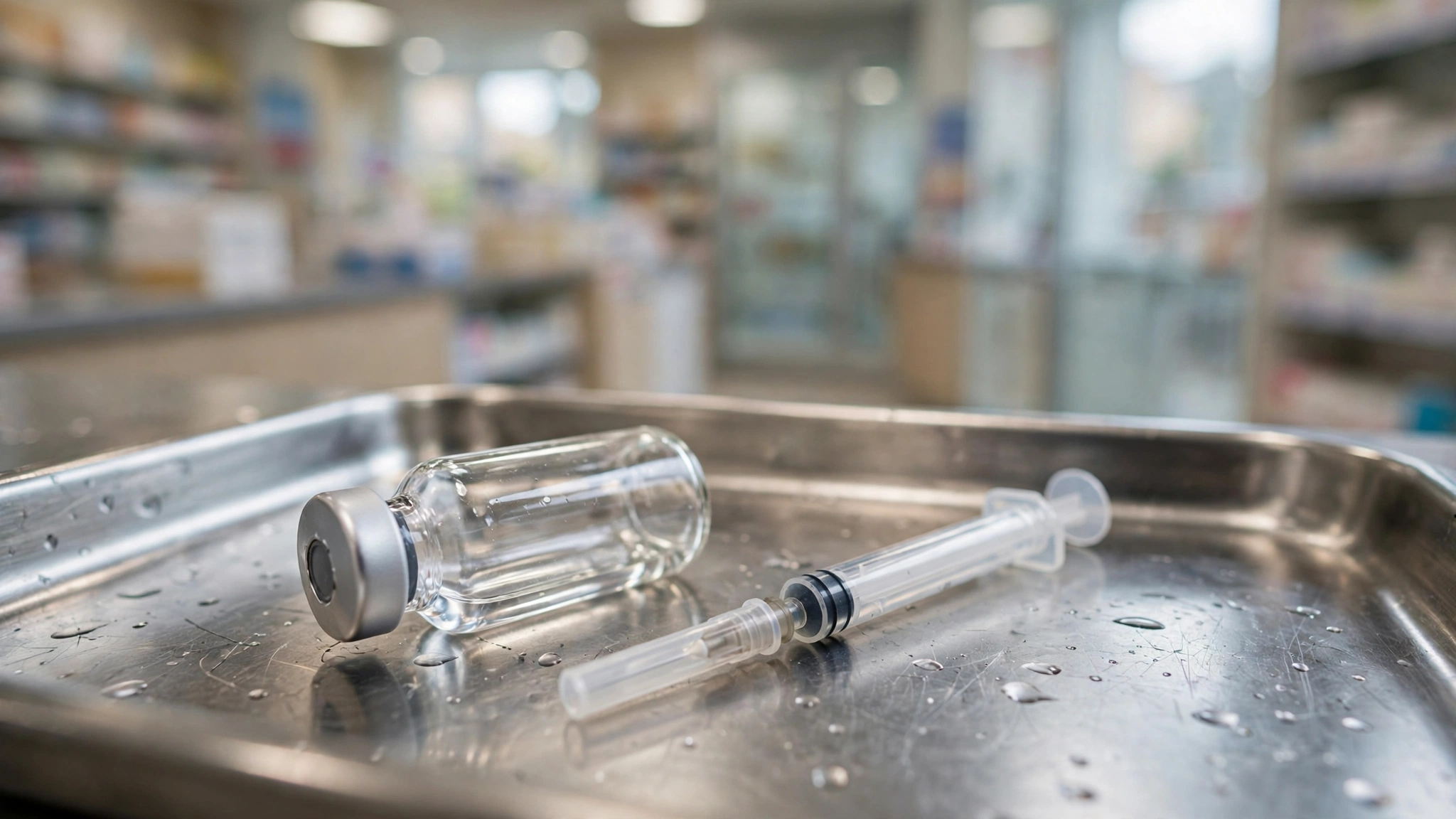
The recall covers 22 vials of Apothecary Pharma Tirzepatide Injection, 18 mg/mL, in 4 mL sterile multi-dose vials, sold by prescription only. The affected lot codes run from AP-202622 through AP-202644, with beyond-use dates from Oct. 7, 2026, through Nov. 26, 2026, including one lot whose beyond-use date is Oct. 20, 2026.
What patients should do
Neither the FDA nor Apothecary Pharma has issued a public statement on how to handle affected vials. Patients with a recalled lot should not use it and should contact their prescriber for instructions, according to reporting from USA Today. Patients have reported online that their prescribers have asked them to return or dispose of the medication.

A pharmacy the FDA warned last year
The recall comes less than a year after the FDA sent Apothecary Pharma a warning letter in December 2025 listing several violations, including what the agency called “serious deficiencies” in practices for producing drugs intended or expected to be sterile, “which put patients at risk.” USA Today contacted Apothecary Pharma and the FDA for comment on Oct. 19 and had not received a response.
Compounded GLP-1 medications drew intense scrutiny after tirzepatide and semaglutide were removed from the official drug shortage list in late 2024 and early 2025. Compounding pharmacies had stepped in to make their own versions during the shortage, and many kept producing them afterward, drawing agency warnings and lawsuits from drugmakers, according to the coverage. For readers keeping the brand names straight, here is how Ozempic and Mounjaro compare.
How compounded drugs differ
Compounded drugs are customized medications mixed by specialized pharmacies, often adjusting doses or removing allergens such as dyes. They are frequently used for pediatric and veterinary cases and during drug shortages, when the FDA temporarily allows compounders to produce a drug in bulk to fill a void.
Compounding pharmacies must use FDA-approved ingredients, but their formulations are not reviewed for purity, safety or effectiveness the way brand-name drugs are, and compounding pharmacies are not routinely regulated by the agency. Sanitation failures at compounders have caused serious harm before: in 2012, nearly 800 people became ill and 64 died in a fungal meningitis outbreak linked to contaminated injections from the New England Compounding Center.

Reporting based on coverage by The Providence Journal and USA Today.