AI Can Estimate Cancer Survival From a Single Face Photo, Mass General Brigham Study Says
Mass General Brigham researchers built an AI model trained on more than 40 million face images that estimates biological age and predicts cancer survival from a single photograph, according to a study published in The Lancet Digital Health.
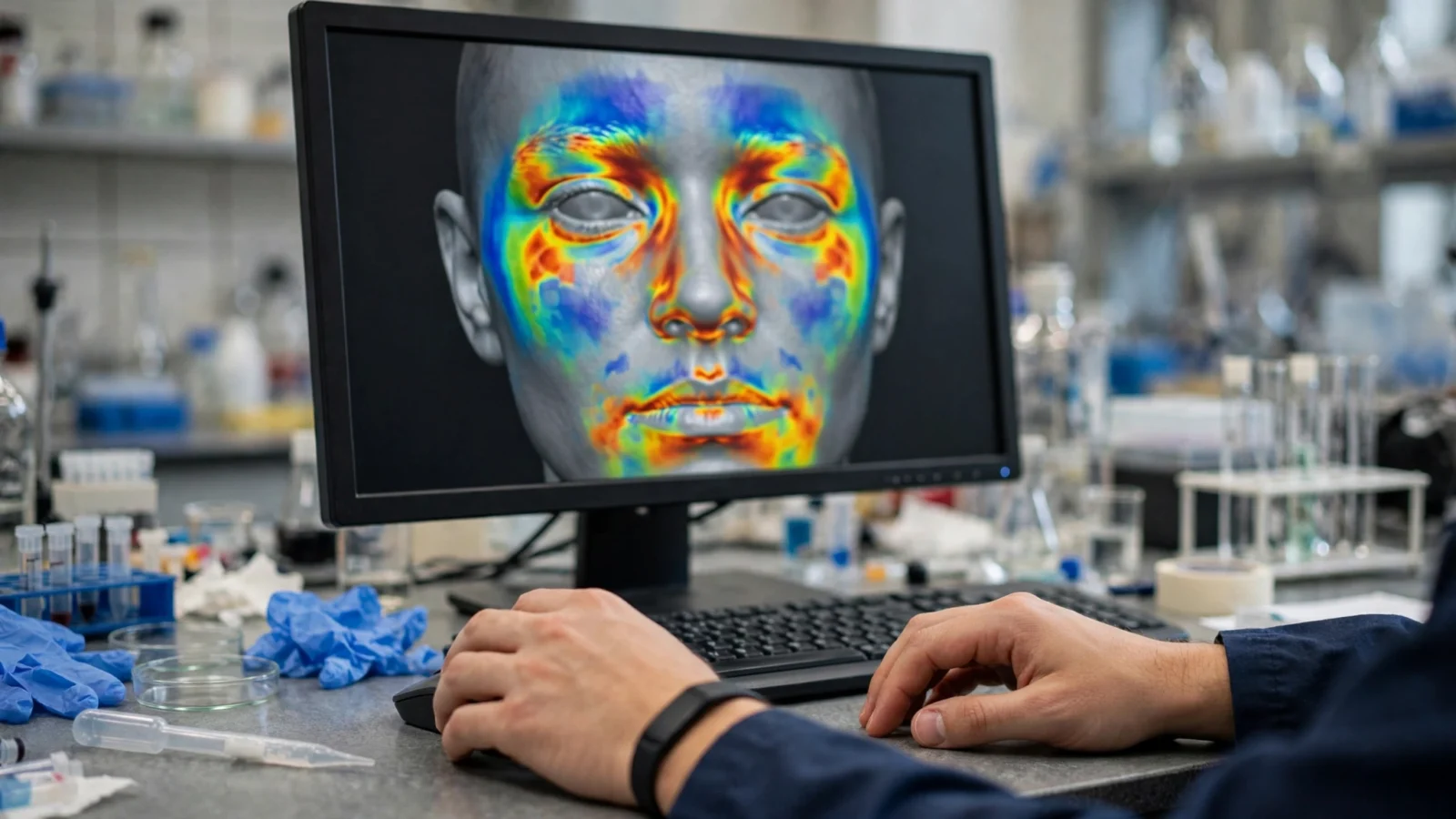
Doctors at Mass General Brigham have developed an artificial intelligence system that can estimate a patient’s biological age and predict cancer survival from a single photograph of their face, according to a study published Monday in The Lancet Digital Health.
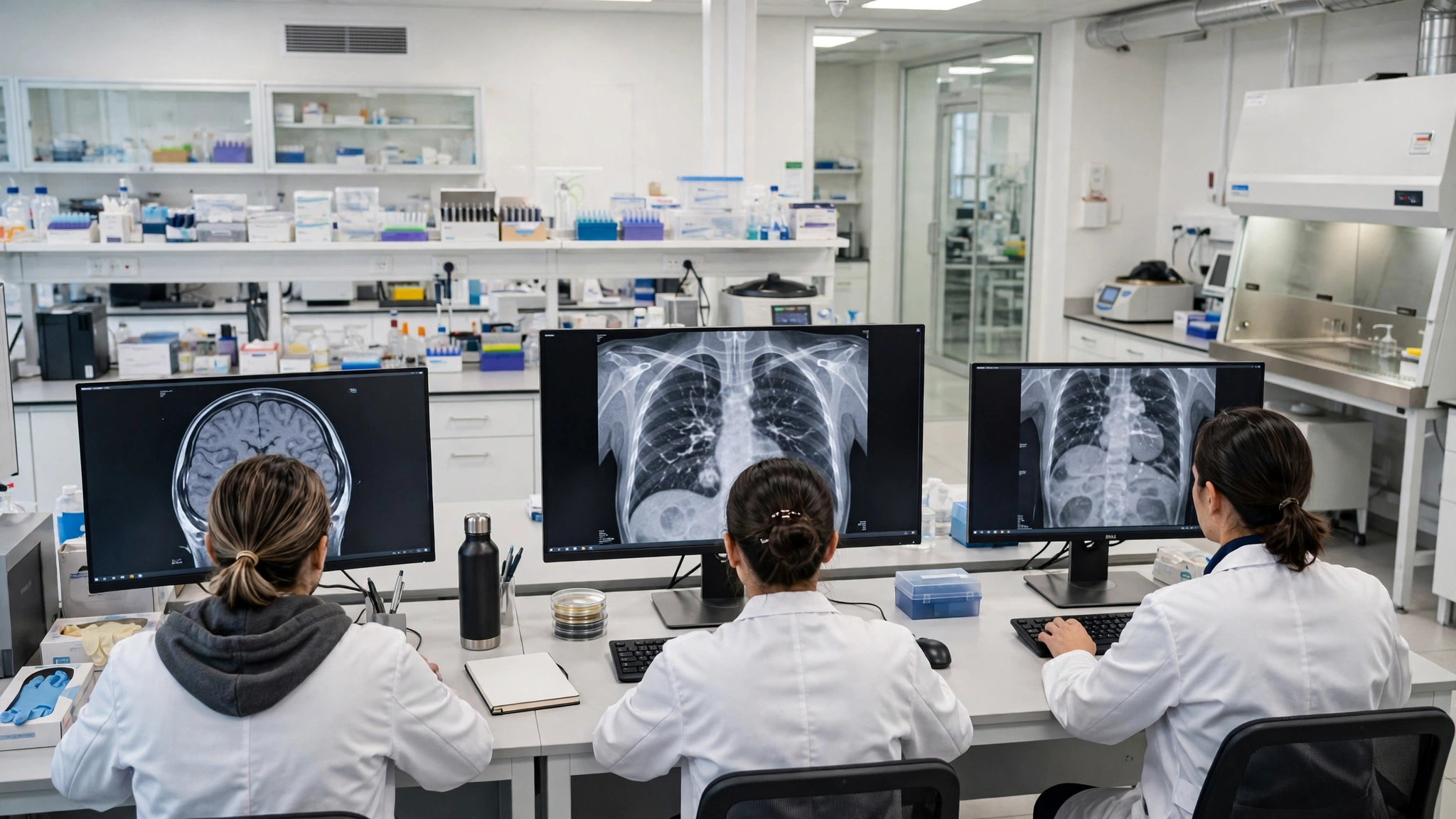
The system starts with a foundation model called FAHR-Face (Foundation Artificial Intelligence for Health Recognition), trained on more than 40 million face images. From that base, the team built two tools: FAHR-FaceAge, which estimates a patient’s biological age more accurately than earlier algorithms, and FAHR-FaceSurvival, which predicts survival outcomes in cancer patients directly from a face photograph, MedicalXpress reported.
The study found that the gap between a patient’s AI-estimated biological age and their chronological age was independently linked to survival. The two tools’ predictions were only weakly correlated, suggesting they capture different information about a patient’s health. Combining them improved survival-model fit in an external validation group of cancer patients.
What the model reads in a face
The two tools focus on different facial features. FAHR-FaceAge reads the temples, the forehead just above the eye sockets, and the creases between the nose and mouth. FAHR-FaceSurvival weighs the area beneath the eyes and the bridge of the nose.
“To our knowledge, this is the first demonstration that an AI model can directly predict cancer survival from a simple photograph,” said Hugo Aerts, a co-senior author and director of the Artificial Intelligence in Medicine program at Mass General Brigham.
The system held steady across changes in pose, lighting, facial expression and makeup, as well as most plastic surgery procedures, with only a small shift observed after rhinoplasty, MedicalXpress reported.

Support, not replacement, for doctors
“As the population ages, physicians need better ways to estimate physical reserve and frailty before recommending intensive treatments such as radiation, surgery or systemic therapy,” said Raymond Mak, a radiation oncologist at Mass General Brigham Cancer Institute and the study’s corresponding author. He said the goal is to make face photograph-based health assessment “more quantitative, consistent and scalable so it can support personalized treatment decisions rather than replace physician judgment.”
Lifestyle factors showed up in the images. Heavy alcohol use, drug use and smoking were associated with looking biologically older, with current smokers appearing older than former smokers and former smokers older than those who had never smoked.

Mass General Brigham has filed a U.S. provisional patent application covering the facial health algorithms and is expanding the research through a public, institutional review board-approved online study in which participants can upload a photograph and receive a research readout.
Reporting based on coverage by MedicalXpress, Becker’s Hospital Review and the Guardian.