China Imposes Export Controls on Tunnel-Boring Machines and Drones, Citing National Security
Beijing said Monday it will control exports of tunnel-boring machines and certain drones starting Nov. 18, extending a technology crackdown that also targets solar manufacturing and AI.
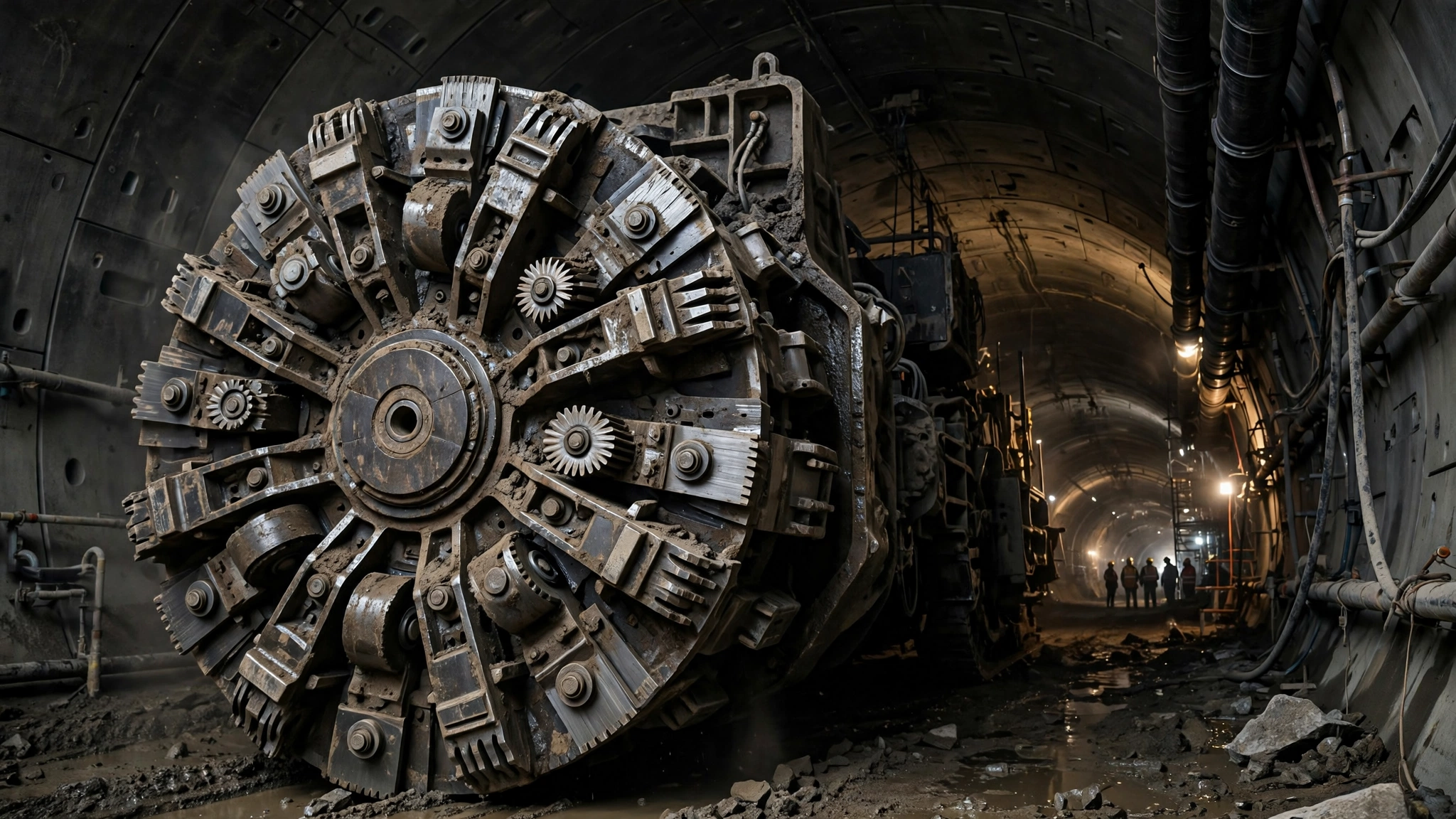
China said on Monday it will introduce export controls on tunnel-boring machines and related items, effective November 18, in the latest move to tighten its grip on technology exports in the name of national security.
The Commerce Ministry said the measures also cover certain dredgers and related items. In the announcement, the ministry said the controlled items have clear dual-use characteristics, meaning they can be used for both civilian and military purposes, and that the controls are meant to safeguard national security and help China fulfill its international obligations, including those related to non-proliferation.
The ministry said China had notified the relevant countries and regions with which it has export-control dialogue mechanisms before making the announcement public.
India already feels the pinch
India is one of the countries most exposed to the new rules. It depends on imports for tunnel-boring machines, which are used in metro rail construction, railway corridors and tunneling projects, including in border areas. India has already faced delays in customs clearance for imports of the machines from China since 2024. Commerce Minister Piyush Goyal raised the issue publicly in October 2024 with the visiting German vice chancellor, pointing out that China was blocking the export of machines made in China by a German company.
Drones and a wider technology draft
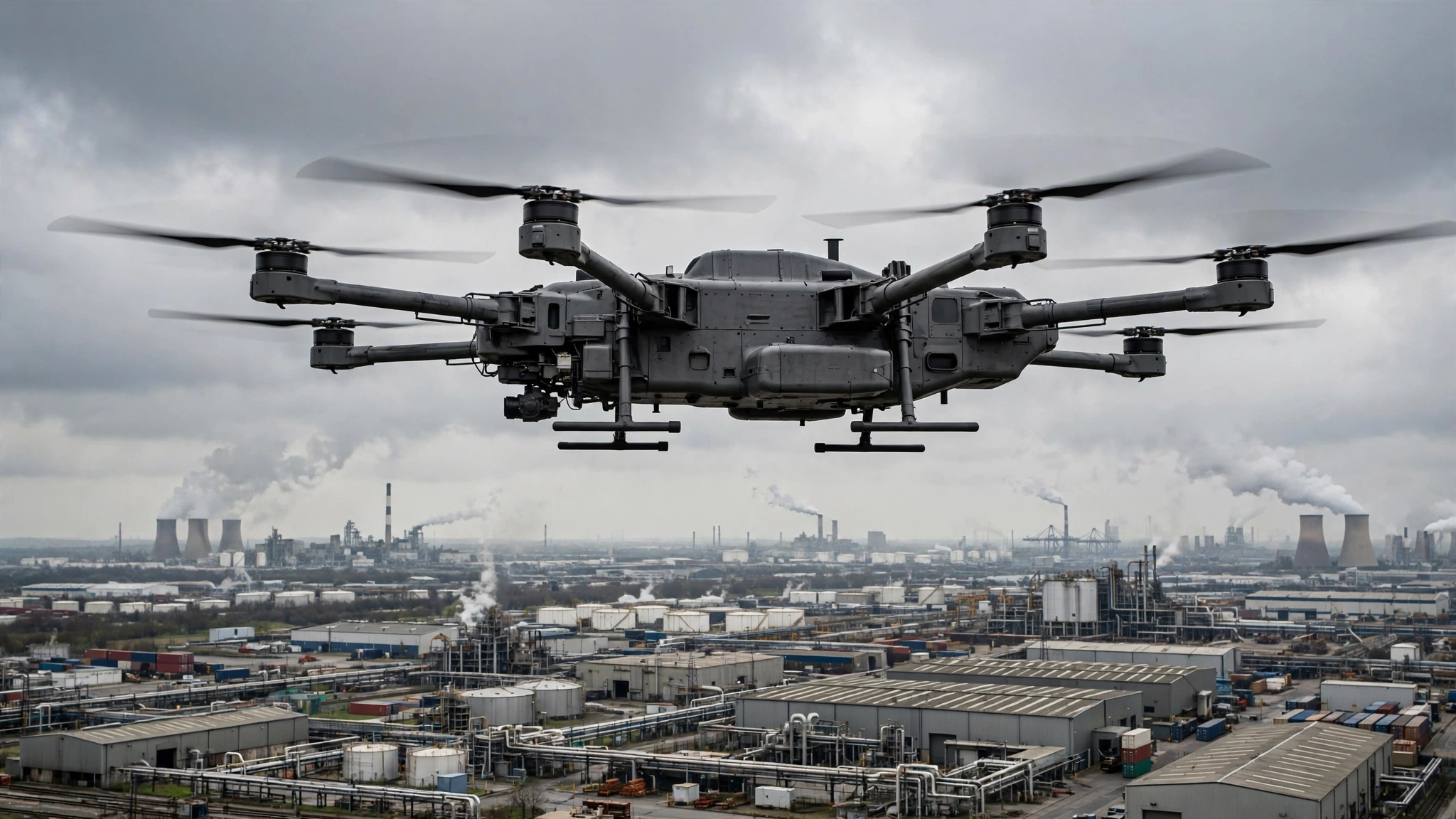
On the same day, China announced separate export control measures covering certain drones. The controlled items include autopilots specially designed for unmanned aerial vehicles, UAVs or unmanned airships with a maximum endurance of three hours or more, certain engines specially designed for UAVs or unmanned airships, and UAVs with a range of 300 kilometers or more.
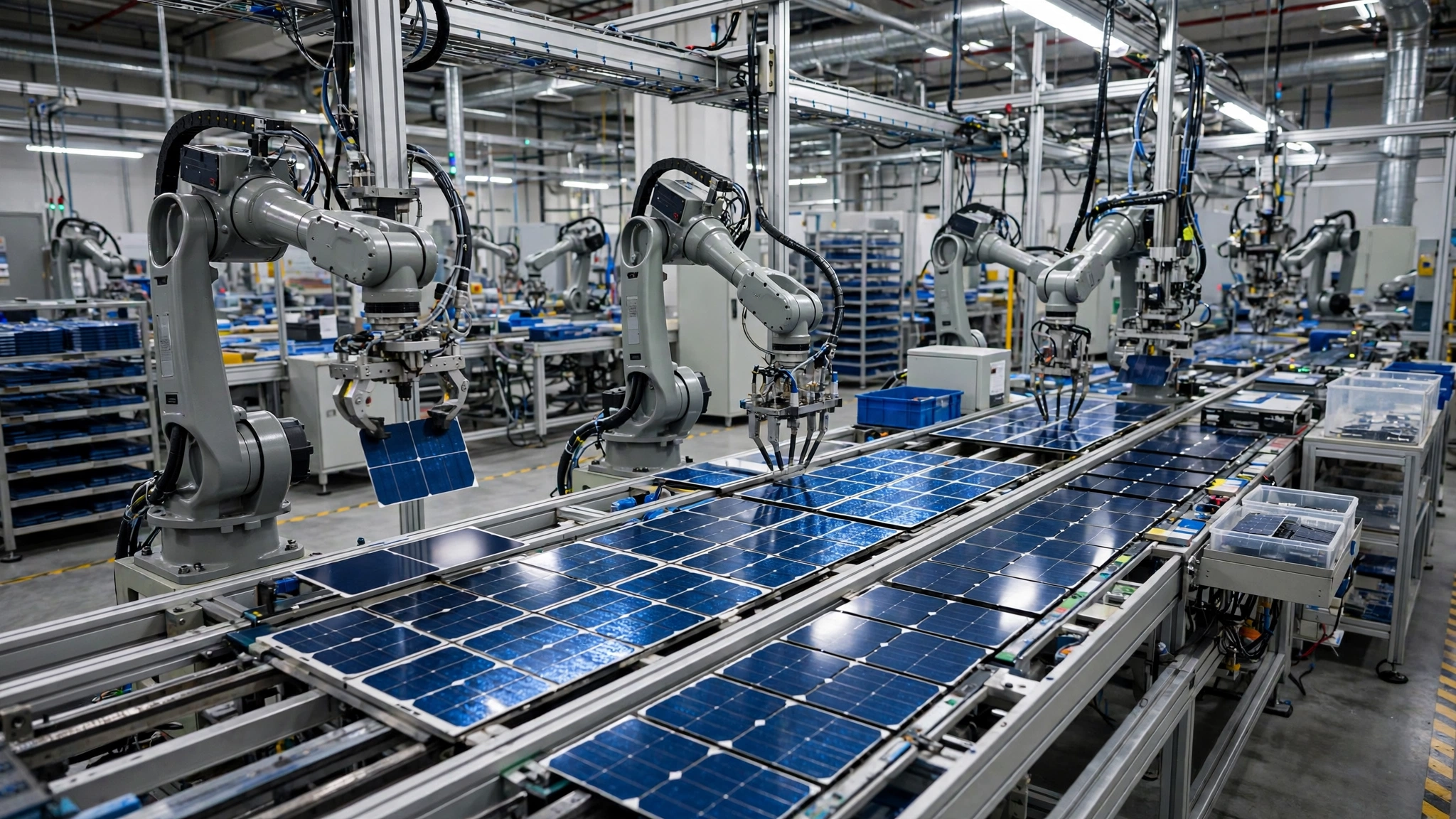
The announcements followed Beijing’s unveiling on October 16 of a draft plan to restrict exports of more than 40 cutting-edge technologies, including advanced solar manufacturing technologies, some AI models and certain biotech platforms. Under the draft, a number of technologies related to the manufacture of solar cells would be subject to a complete export ban or restricted exports, though most solar exports would not be affected. The new controls on next-generation solar manufacturing technologies could affect efforts by countries, including India, to reduce their dependence on China as they build their own solar industries.
Reporting based on coverage by The Hindu BusinessLine.