US Business Activity Eases to 57.6 in October as Price Pressures Hit Highest Since 2022
S&P Global's flash composite PMI slipped to 57.6 in October from September's five-year high of 58.4, while its gauge of prices charged rose to 59.8, the highest since August 2022, as firms passed higher costs to customers.
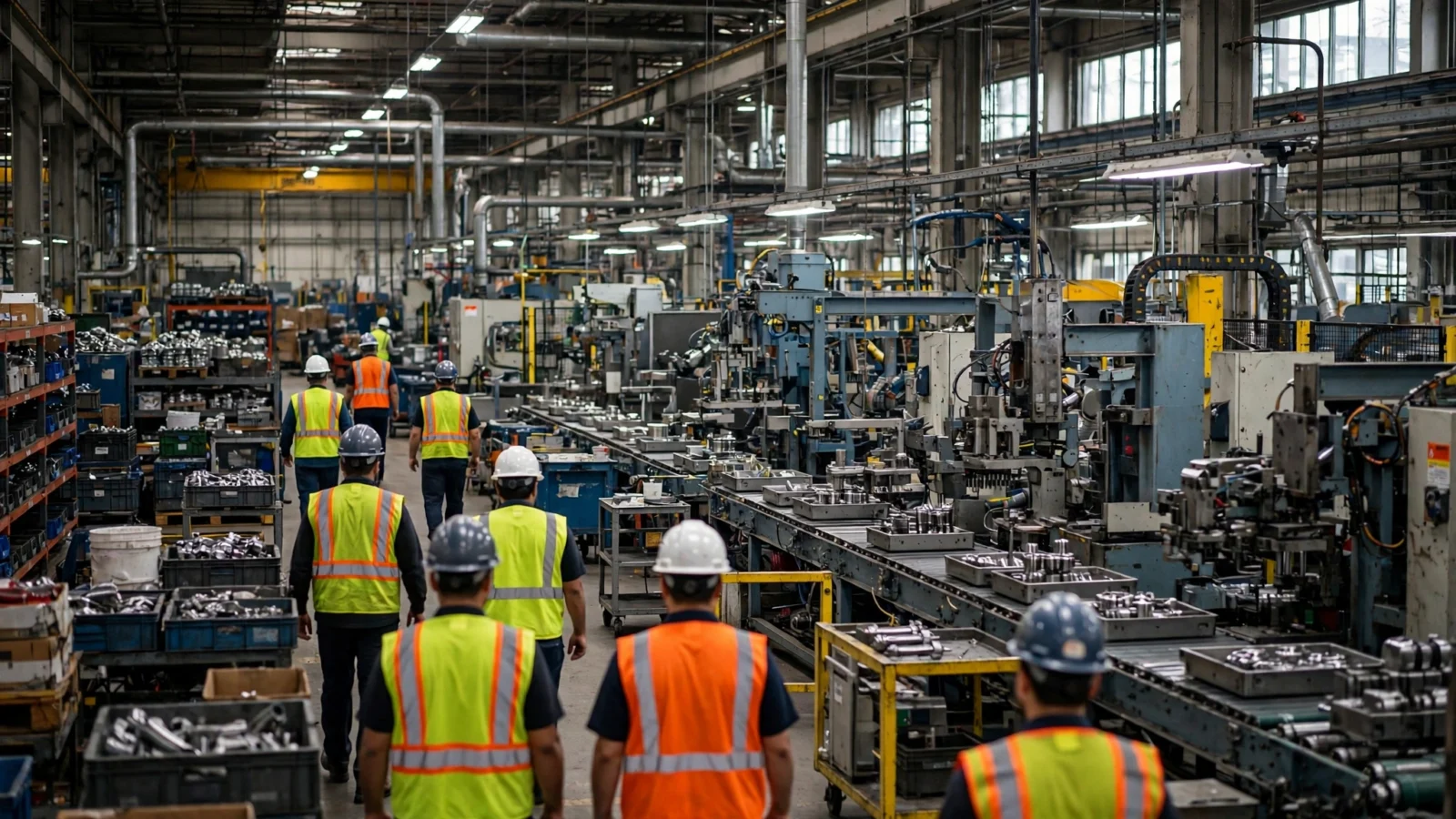
US business activity slowed modestly in October, but firms kept raising prices, according to S&P Global’s flash survey released Friday. The flash US Composite PMI Output Index, which tracks manufacturing and services, slipped to 57.6 this month from 58.4 in September, a five-year high. A reading above 50 signals expansion.
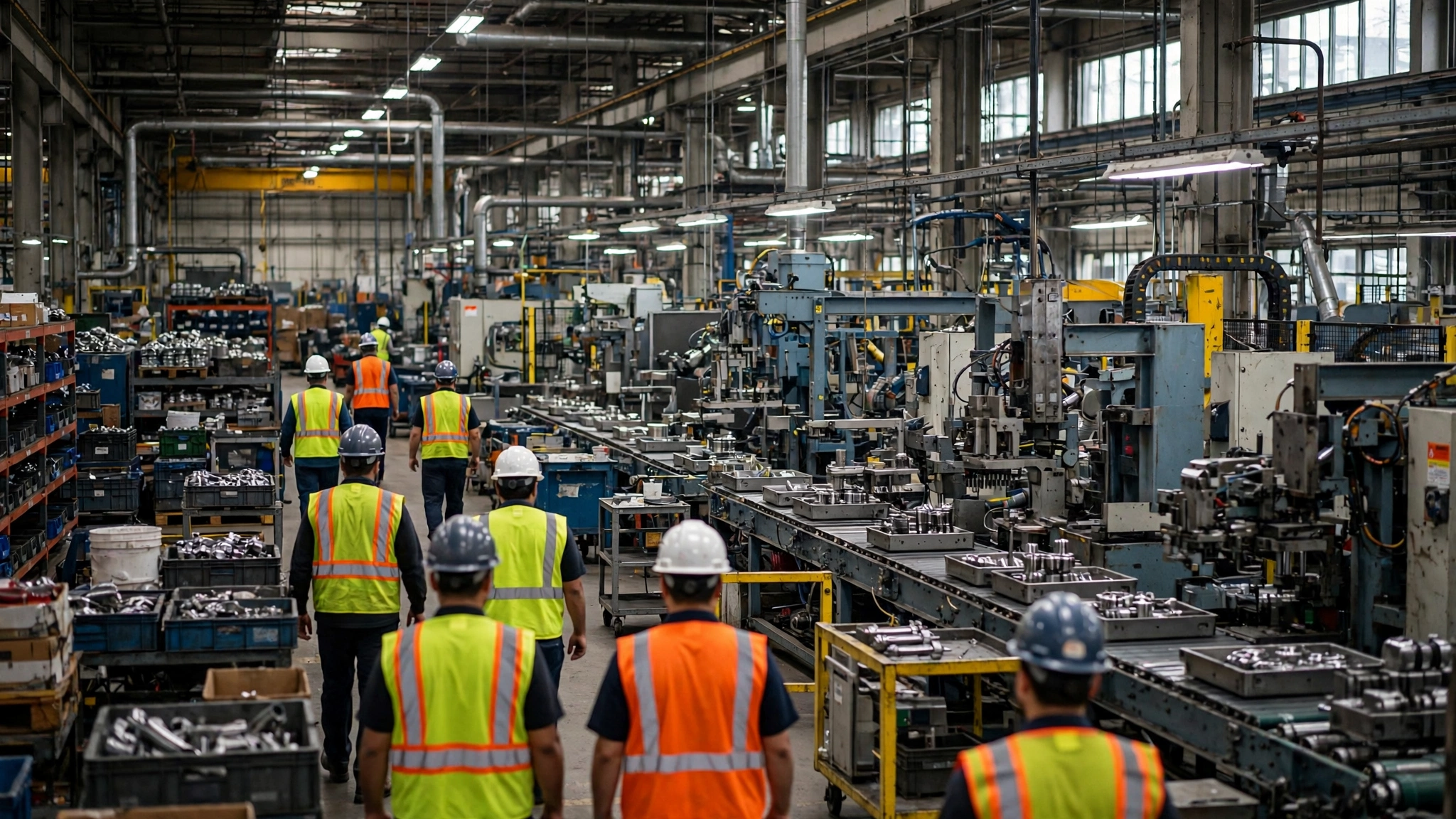
Manufacturing held up while services pulled back slightly, S&P Global said. New orders edged up to 58.2 from 58.1 in September, the highest since March 2022, with growth in services and exports. S&P Global said rising domestic demand, helped in part by precautionary stock building, supported the orders reading.
Price gauges climb as supply lines tighten
The survey’s gauge of prices charged rose to 59.8 from 58.4 in September, the highest since August 2022, as businesses in both manufacturing and services raised prices. Supplier delivery times fell to 38.1 from 40.9 in September, the lowest in more than four years, a sign that deliveries to manufacturers grew slower. “Supply chain bottlenecks have meanwhile intensified, and order book backlogs are growing, making it easier for companies to pass higher costs on to customers,” said Chris Williamson, chief business economist at S&P Global Market Intelligence.

Input prices paid by businesses eased to 64.9 from 65.9 in September, but the reading stayed high, and manufacturers faced higher prices this month, with that index still near four-year highs. Overall employment dipped after a September surge, but factory hiring rose to its highest since March 2012, as firms added staff to meet stronger customer demand, Williamson said.
Growth outlook and the Fed
The survey pointed to a solid start to the fourth quarter after what is expected to have been a strong July-September quarter, Reuters reported. Economists expect the government’s advance gross domestic product report next week to show growth of around 3.0% on an annualized basis last quarter, driven mainly by consumer spending and business investment in artificial intelligence.

Consumer and producer prices rose strongly in September, the government reported this month, a backdrop covered in our report on how consumer prices rose in September. The Federal Reserve raised its benchmark rate by 25 basis points in September to a range of 3.75% to 4.00%, and economists expect the central bank to hold rates steady at its meeting next week and raise them again in December, according to Reuters.

The economy has so far shown no sign of buckling under the oil price shock from the US-Israeli war with Iran, Reuters reported, with savings, spring tax returns, tariff refunds, a strong stock market and corporate profits providing a cushion. Economists warned that the inflation fallout from the drawn-out Middle East conflict could slow consumer spending this quarter.
Reporting based on coverage by Reuters.