Supreme Court Leaves in Place Deal Ending Immigration Judges’ Power to Pause Deportation Cases
The Supreme Court declined on Tuesday to halt an agreement between the Trump administration and Texas that ends administrative closure, the practice that let immigration judges pause deportation cases while other proceedings were pending.
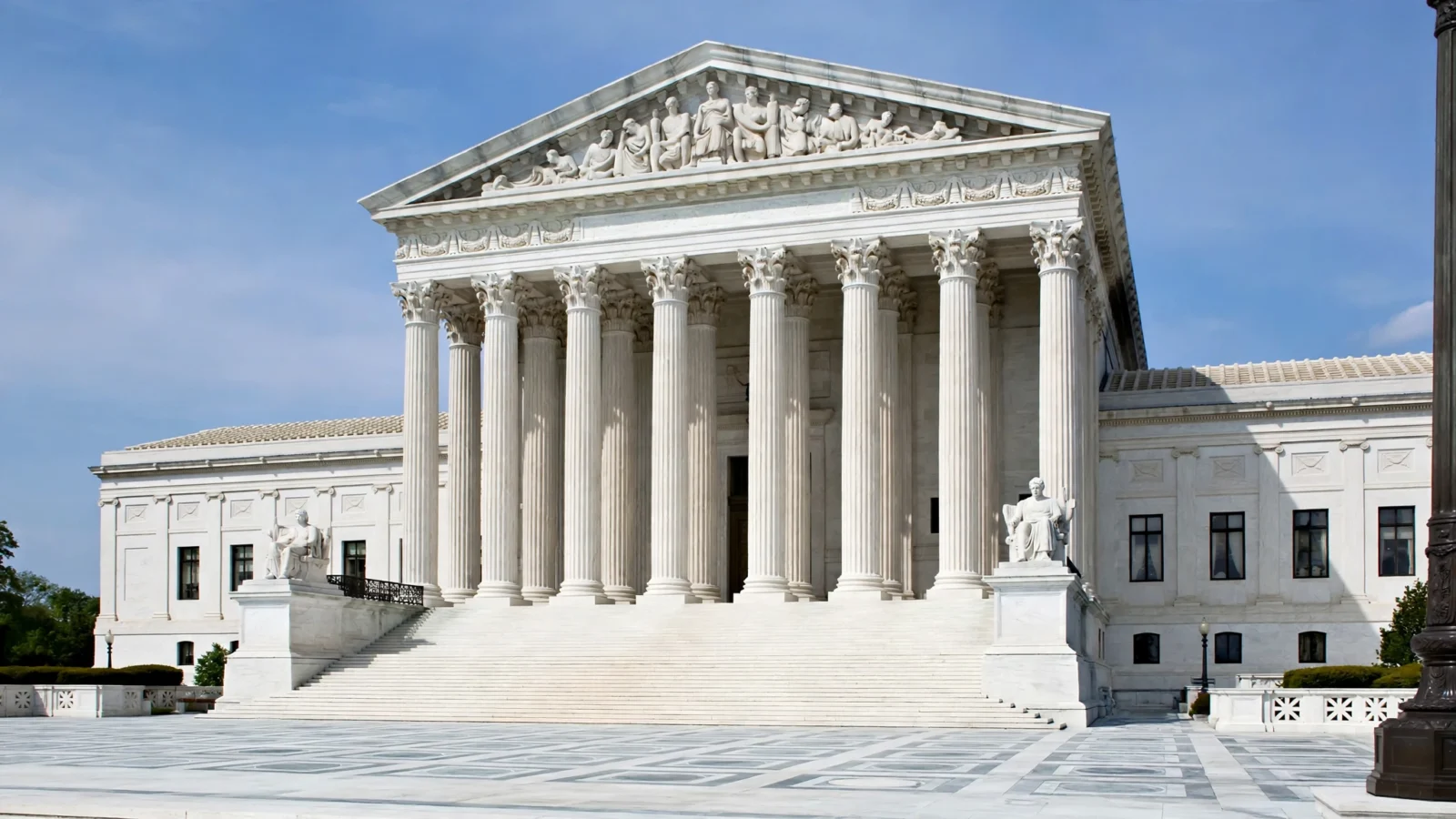
The United States Supreme Court declined on Tuesday to restore the power of immigration judges to pause deportation cases for a time. The decision leaves in place an agreement between the Trump administration and Texas that ends the practice known as administrative closure.

The justices denied an emergency request from three cities and an immigrant legal services group that sought to halt the agreement while the case continues. The order was one sentence long and gave no explanation, as is common for emergency requests. No justice publicly dissented, according to Reuters.
The cities that filed the request were Baltimore, New Haven in Connecticut, and Columbus in Ohio, along with the legal services provider Centro Legal de la Raza. They had asked the court to block a lower court ruling that approved the agreement.
How the agreement came about
Texas sued the federal government on June 22. In the lawsuit, Texas said a 2024 rule from the Biden administration lacked proper legal authority. The rule set out formal procedures for administrative closure, which let immigration judges take certain deportation cases off their active dockets for a time.

The Trump administration and Texas then jointly asked U.S. District Judge Reed O’Connor in Wichita Falls, Texas, to approve an agreement declaring the 2024 rule unlawful. O’Connor approved the agreement the same day and blocked the rule across the country. The cities later sought to join the case to defend the rule, but O’Connor rejected that bid. The New Orleans-based 5th U.S. Circuit Court of Appeals also declined to put the agreement on hold during an appeal.
Immigration judges have used administrative closure for decades, Reuters reported. Judges used it when a separate case involving the same person was still pending and could affect removal, such as a visa petition or an appeal of a criminal conviction. The practice has been used in hundreds of thousands of deportation cases over the years.

Two different accounts of the practice
Texas argued in its lawsuit that the rule let immigration judges grant what it called indefinite amnesty to people in the country without legal status. The Trump administration has made the same argument, and has said ending the practice is part of its stricter approach to immigration.
The cities and Centro Legal de la Raza told the Supreme Court that the administration used what they called manufactured litigation with Texas, a state that shared its position, to remove a rule it disliked without going through the normal process for changing agency rules. They wrote that the need for temporary relief was underlined by what they called collusion in the case from the start.
The Biden administration rule said in 2024 that administrative closure let judges manage their caseloads in an orderly way and treat immigrants fairly. That rule replaced a 2020 rule from the first Trump administration that courts had blocked. After President Donald Trump returned to office in 2025, the Justice Department office that oversees immigration courts said it would not defend the Biden rule against the Texas challenge.

The Supreme Court order does not decide the full case. It leaves the lower court ruling in effect while the appeal continues.
Reporting based on coverage by Reuters.