Serbia’s Student Movement Weighs Who Will Lead Its New Government
Three days after a student-backed list swept Aleksandar Vucic from power, attention in Belgrade has turned to who will fill the prime minister's office and other posts, while Brussels says the new government must first take shape before talks on Serbia's European path can move forward.
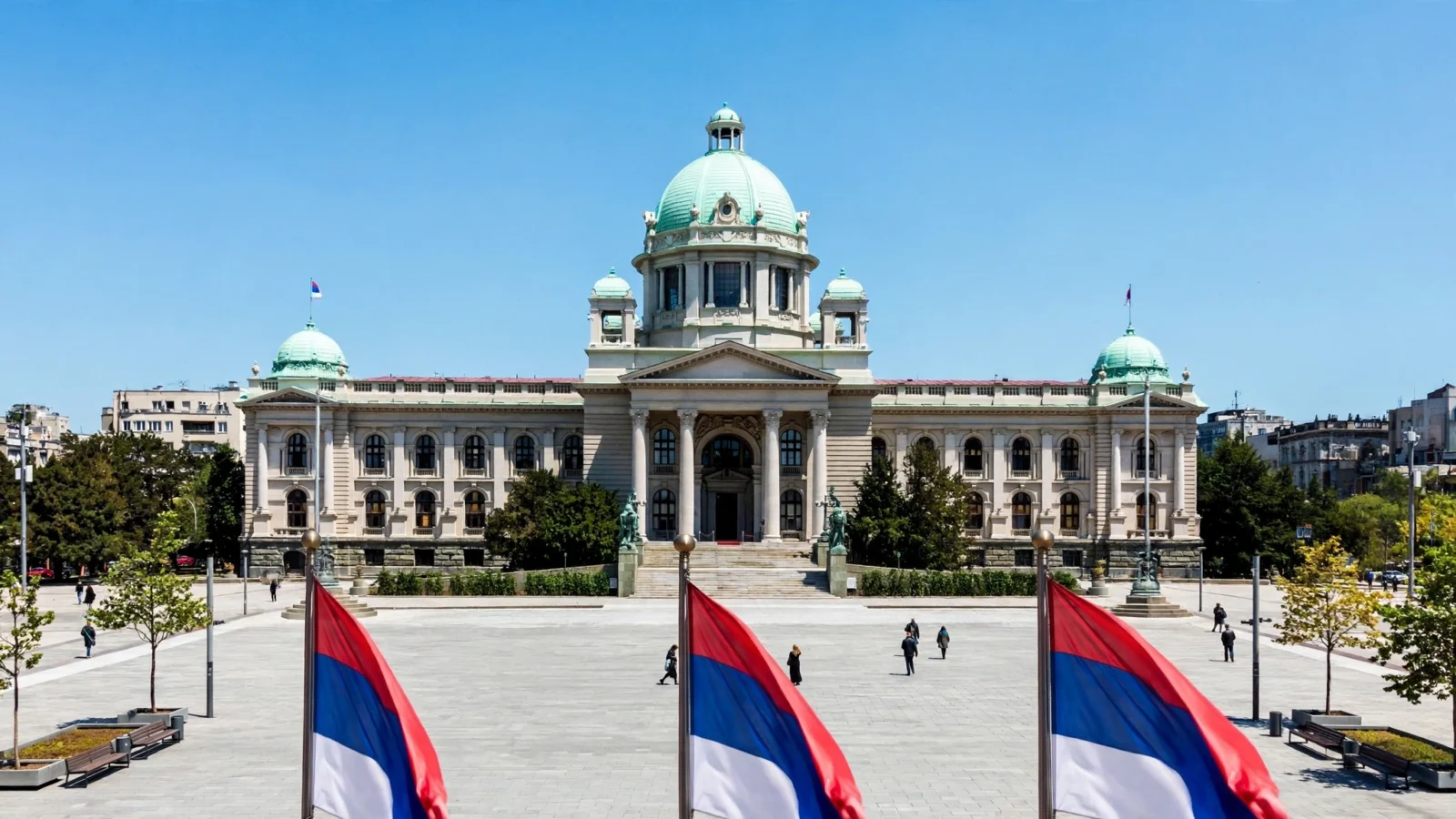
BELGRADE: Serbia’s student-backed movement, which swept former President Aleksandar Vucic from power in Sunday’s snap election, has not yet said who will head its new government, and the country is waiting to hear the names for the prime minister’s office and other ministerial posts, Reuters reported Wednesday.
The names most often mentioned on the students’ list come from outside party politics: a former central bank governor, a practicing cardiologist, a former basketball captain and a chemistry professor. None has been named to a post so far, and the movement’s lead candidate has said only that forming a government without delay is the priority.
A former central bank governor and a cardiologist
Dejan Soskic, 59, is an economist and a professor at the University of Belgrade’s Faculty of Economics who served as governor of the central bank between 2010 and 2012, before resigning in protest at legislative amendments that he argued compromised the institution’s independence. He has been a vocal opponent of Vucic’s government for years, and he says that prudent public finances will create a stable foundation for a permanent increase in wages and pensions.
During the campaign, Soskic proposed correcting, or weakening, the exchange rate of the dinar, which is in a managed float against the euro, to make domestic goods cheaper in foreign currencies. An alternative, he suggested, would be to maintain a fixed, stronger exchange rate but lower costs by cutting wages. Pro-government media have criticized his central bank record, accusing him of triggering the depreciation of the dinar during his tenure. Soskic has defended the depreciation as a reflection of the mandatory monetary policy amendments of the time rather than a personal failure.
Ilija Srdanovic, 55, is a practicing cardiologist and a professor at the University of Novi Sad Faculty of Medicine who became the student movement’s lead candidate when the ballot list was finalized in September. His move to frontline politics began during the student-led anti-corruption demonstrations, where he appeared often as a public speaker, and he took part in the movement’s “Guardians of the Constitution” bicycle tour across the northern Vojvodina province.
Srdanovic campaigned with the promise of a decentralized health system “at the service of citizens and based on equality for all patients.” In an interview with the Belgrade-based FoNet news agency, he said his political objective was building “a better Serbia, nothing else is important.” He declined an invitation from Vucic to take part in a televised debate during the campaign.
A basketball star, a chemist, and what Brussels expects
Dejan Bodiroga, 53, is the former captain of the Yugoslav national basketball team and the current EuroLeague president, a post he has held since 2022. He won back-to-back FIBA World Championship gold medals in 1998 and 2002 and led the then Yugoslav team to an Olympic silver medal at the 1996 Atlanta Games, before retiring as a player in 2007. During the campaign he appeared at student rallies, and he described Sunday’s election as a fight “for the return of a country that has been hijacked.”
Radomir Saicic, 64, is an organic chemistry professor and a member of the Serbian Academy of Sciences and Arts who was the face of the students’ election win on Sunday, taking the podium at their headquarters after Vucic conceded defeat to hail the outcome as a “citizens’ victory.” He works in medicinal chemistry, with research on the synthesis of chemotherapy treatments and antiviral therapies, including a COVID-19 project in collaboration with the Pasteur Institute. He joined the student-led anti-corruption protests that followed the 2024 collapse of a railway station canopy in Novi Sad, and political analysts and local media have tipped him as a contender in the presidential election triggered by Vucic’s recent resignation from that post.
European Council President Antonio Costa wrote on X on Tuesday that he had held a “good” telephone conversation with Srdanovic, saying that the priority is to establish a new government without delay. On Wednesday, European Commission spokeswoman Paula Pinho said European institutions will work with Serbia’s new government as with any freely elected government, adding that it is in the Union’s interest to support reforms in the rule of law, media freedom and the fight against corruption.
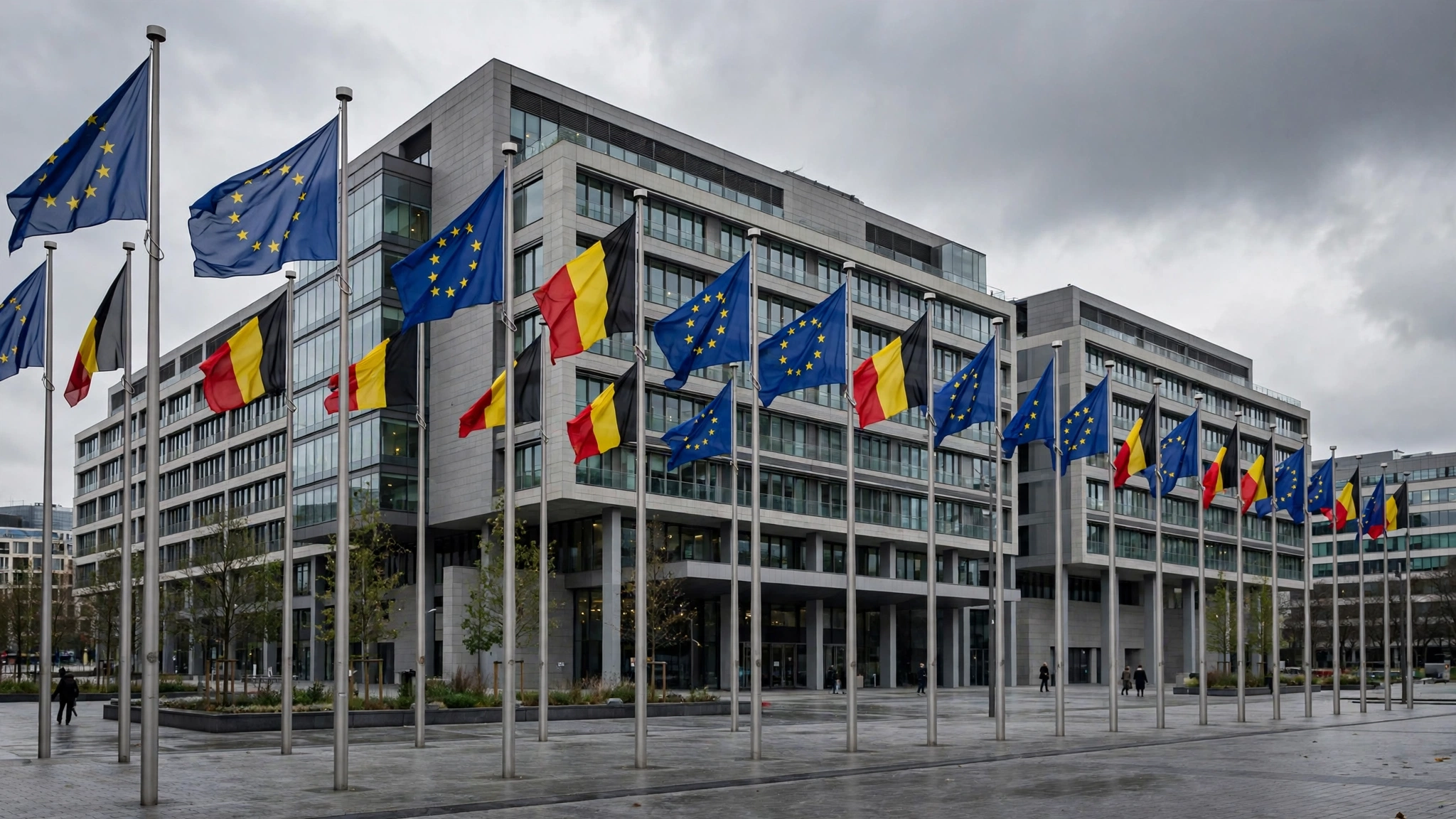
Commission spokesman Guillaume Mercier said Serbia belongs to the European family and that the Commission welcomes the new authorities’ ambitions toward democracy and the rule of law. He added that the Commission is ready to work closely with the future government on reforms in those areas, and that the Student List now has to form the institutions. Enlargement Commissioner Marta Kos said a country that does not follow the EU’s line on foreign and security policy, Russia included, will struggle to advance toward membership, and that the EU has not yet started talks with the new government.
“They must first form a new government, and then we will see how and whether we can continue in this area,” Kos said, according to the report. The Student List has not yet said who will head the government. Srdanovic has stressed the list’s position that Kosovo, which declared independence from Serbia in 2008, remains an integral part of the country, and he said during the campaign that European Union integration is not a current priority, with the immediate focus on domestic anti-corruption reforms and national “existential survival.”
Reporting based on coverage by Reuters and Srpske Novine.