Renters Insurance vs. Homeowners Insurance: What Each Covers and How to Choose
Renters insurance covers a tenant's belongings and liability, while homeowners insurance also covers the building itself; the right policy follows who owns the home.
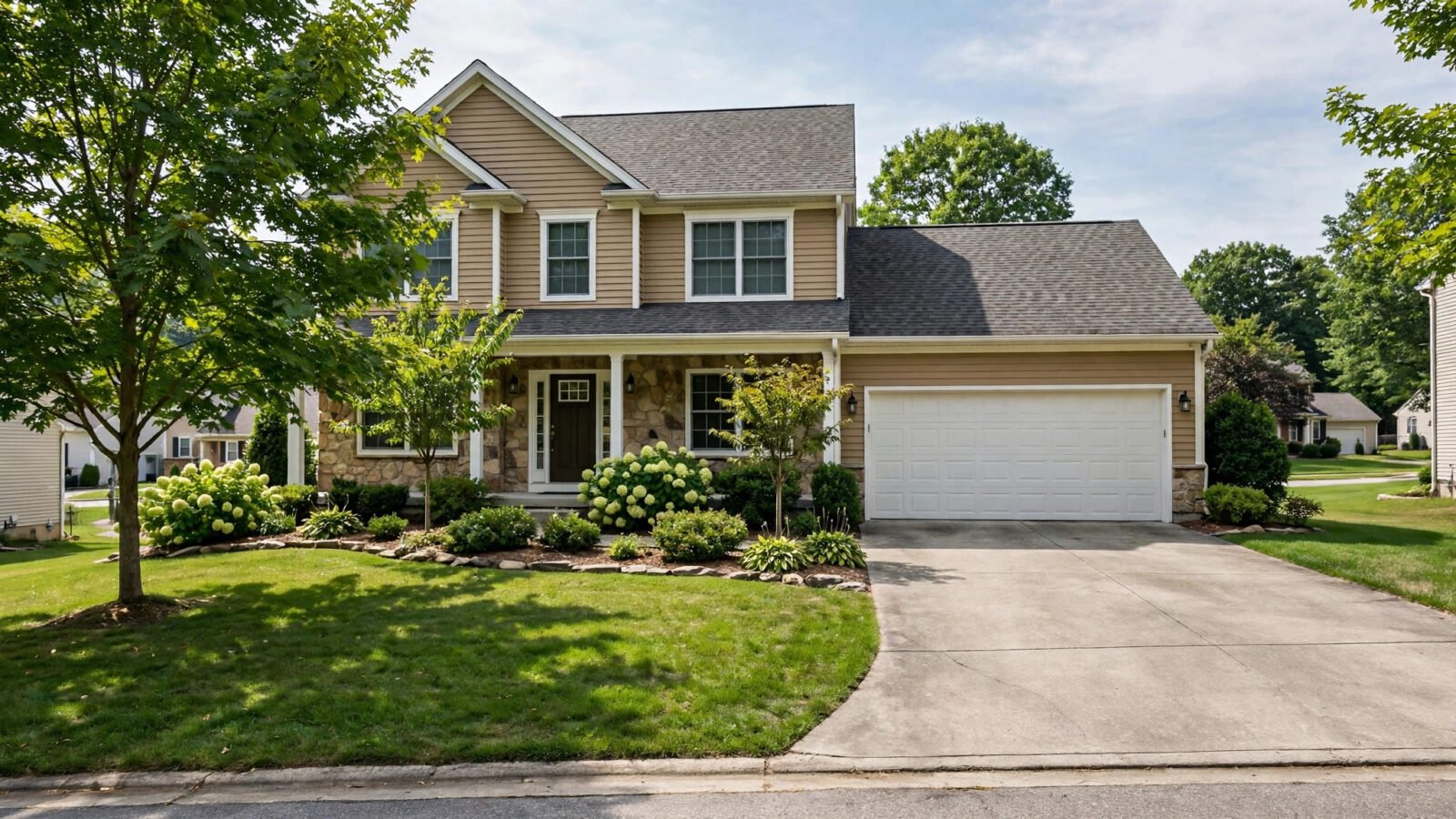
Renters insurance and homeowners insurance sound alike, and both pay for damage to a home and the things in it. The mix-up comes from that overlap. The split is simple: one policy protects a person who rents a place to live, and the other protects a person who owns the place. The building itself decides which policy fits, since a renter does not own the walls and an owner does.
How renters insurance works
A renters policy covers the tenant’s own property inside a rented apartment or house. That means furniture, clothing, electronics, and other belongings the tenant owns. If a covered event such as a fire or a theft damages those items, the policy pays to repair or replace them up to the coverage limit the tenant picked.
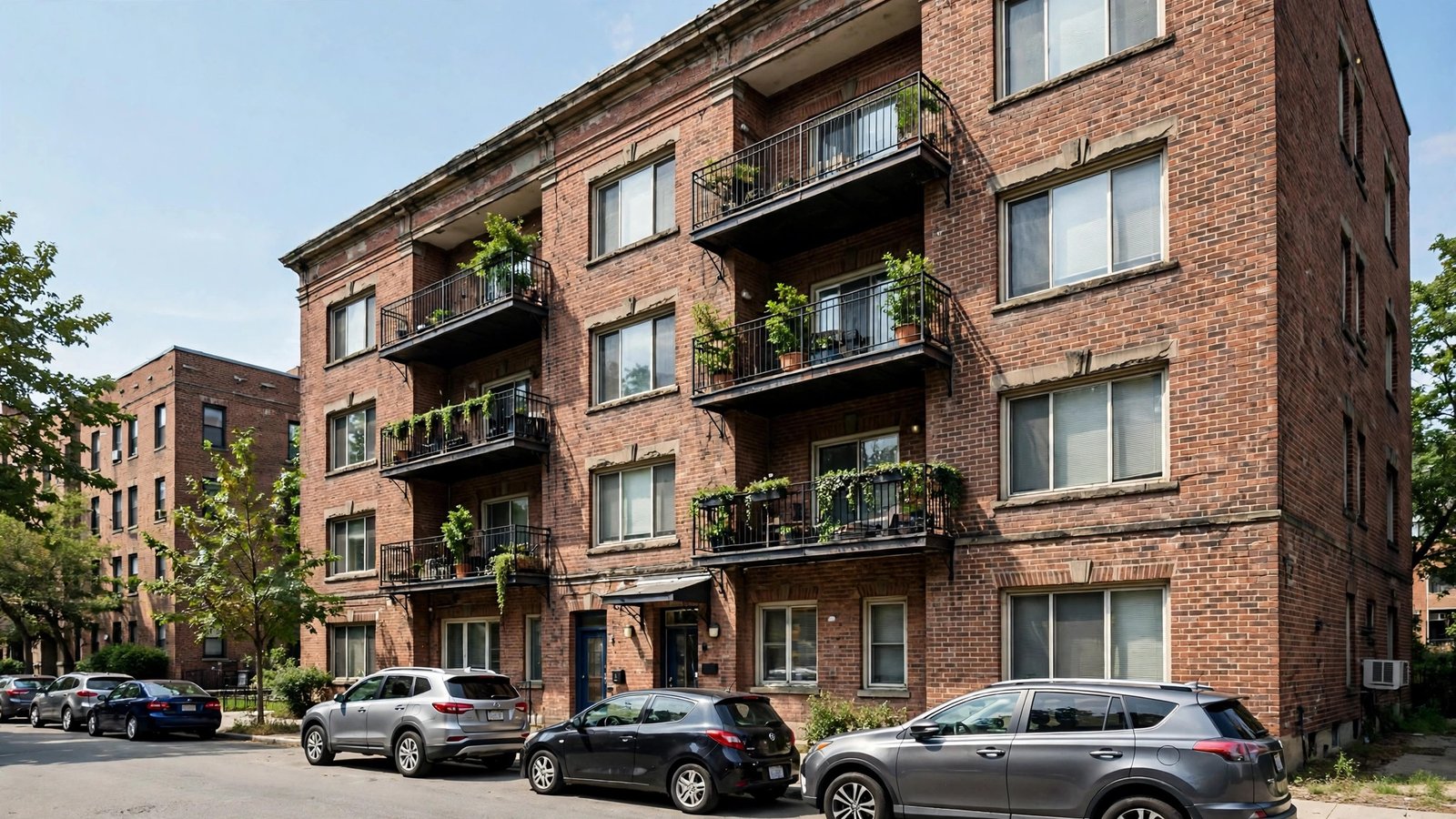
Renters insurance also covers liability. If a guest is hurt inside the rented unit, or if the tenant accidentally damages someone else’s property, liability coverage pays claims and legal costs up to the policy limit. Many policies also pay additional living expenses when a covered event makes the unit unfit to live in, such as a hotel bill while repairs are done.
What a renters policy does not cover is the building. The roof, the walls, and the plumbing in the walls belong to the landlord, and the landlord’s own policy covers that structure. No law at the federal level forces a tenant to buy renters insurance, but a lease can require it, and many landlords do ask for proof of a policy before handing over the keys.
How homeowners insurance works
A homeowners policy covers the owner and the house. It pays for damage to the dwelling itself, to other structures on the property such as a detached garage or a shed, and to the owner’s personal property inside the home. It also covers liability when someone is hurt on the property and additional living expenses when a covered event forces the owner out during repairs.

Mortgage lenders usually require homeowners insurance for as long as a loan is unpaid. The lender wants the house that secures the loan to be protected. Owners without a mortgage can still buy a policy, and most do, since rebuilding a house after a fire or a storm costs far more than most households can pay from savings.
Both types of policy use a deductible. That is the amount the policyholder pays out of pocket on a claim before the insurer pays the rest. Policies also differ in how they value damaged property. Replacement cost coverage pays what it costs to buy a new item of the same kind. Actual cash value coverage pays that cost minus depreciation for age and wear. The policy wording controls which method applies, so two policies with the same limit can pay different amounts on the same loss.
What neither policy usually covers
Standard renters and homeowners policies generally do not cover flood damage. Flood coverage is sold separately, through the National Flood Insurance Program or through a private insurer. Earthquake damage is also usually excluded from a standard policy and is sold as a separate policy or as an add-on in many states. Damage from normal wear, poor upkeep, and pests is generally excluded as well. Premium amounts change from year to year and vary by location, coverage limit, deductible, and claims history, so a quote from one year does not set the price for the next.
Side-by-side comparison
| Renters insurance | Homeowners insurance | |
|---|---|---|
| What it is | A policy for a tenant. It covers the tenant’s belongings, liability, and additional living expenses. It does not cover the building. | A policy for an owner. It covers the dwelling, other structures on the property, personal property, liability, and additional living expenses. |
| Who gets it | People who rent an apartment, a house, or a room and want protection for what they own inside it. | People who own the home they live in. Mortgage lenders usually require it until the loan is paid off. |
| Costs | Premiums are generally lower than homeowners premiums, since the policy does not insure a building. The amount varies by location, limit, deductible, and claims history, and it changes from year to year. | Premiums are generally higher, since the policy insures the full structure as well as belongings and liability. The amount varies by location, rebuild cost, limit, deductible, and claims history, and it changes from year to year. |
| Pros | Low cost relative to homeowners coverage. Protects belongings and liability for people who do not own the building. Can satisfy a lease requirement. | Covers the structure itself, which is usually the owner’s largest asset. Meets lender requirements. Covers belongings and liability in one policy. |
| Cons | Does not pay for damage to the building, so a tenant cannot use it to repair the landlord’s property. Coverage limits can fall short for high-value items unless extra coverage is added. | Costs more than renters coverage. Does not cover flood or earthquake damage under a standard policy. A claim can raise future premiums. |
Verdict: choose by your housing situation
Choose renters insurance if you rent your home. It is the policy built for your position: it protects what you own and your liability, while the landlord’s policy handles the building. Ask the landlord whether the lease requires it, and pick a personal property limit that matches what your belongings would cost to replace.

Choose homeowners insurance if you own your home. It is the only one of the two that pays to repair or rebuild the house itself, and a lender will require it while a mortgage is unpaid. Pick a dwelling limit tied to rebuild cost rather than market price, and check whether separate flood or earthquake coverage fits the risks where the house sits.
Do not buy both for the same home. One home needs one of these policies, and the right one follows ownership: renters insure what is inside, owners insure the building and what is inside.
Explainer based on consumer guidance published by the Insurance Information Institute and the Federal Emergency Management Agency on flood insurance.