OPEC+ Keeps December Oil Output Targets Unchanged as Crude Prices Fall Monday
Seven core OPEC+ producers held December production targets at 31.01 million barrels per day on Sunday, and Brent crude fell more than 3 percent on Monday as talks between Iran and Qatar continued.
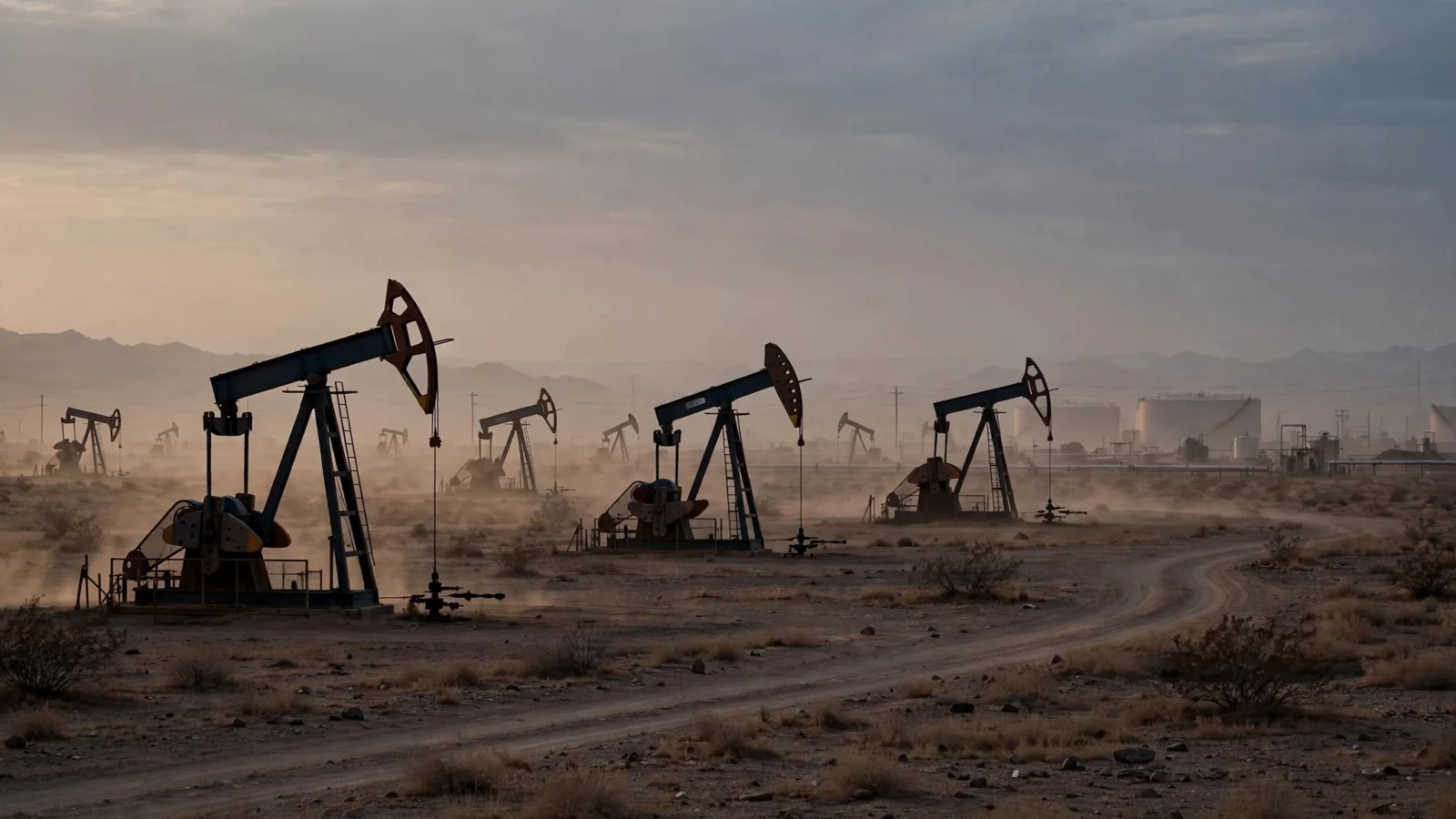
Seven core OPEC+ producers agreed on Sunday, November 1, to keep their oil production targets unchanged for December, holding combined targets at 31.01 million barrels per day, according to OPEC and news reports of the decision.
The seven members are Saudi Arabia, Russia, Iraq, Kuwait, Kazakhstan, Algeria and Oman. Saudi Arabia accounts for 10.478 million barrels per day and Russia for 9.949 million, followed by Iraq at 4.431 million, Kuwait at 2.676 million, Kazakhstan at 1.628 million, Algeria at 1.007 million and Oman at 841,000, according to AnewZ.
Prices fall on Monday as talks continue
Brent crude fell $3.68 to $109.75 a barrel by 04:07 GMT on Monday, a drop of 3.2 percent, while United States West Texas Intermediate crude fell $3.43 to $100.69, according to Reuters. AnewZ reported that the decline followed a third straight day of talks between Iranian and Qatari officials, which raised hopes that tensions in the Middle East could ease.
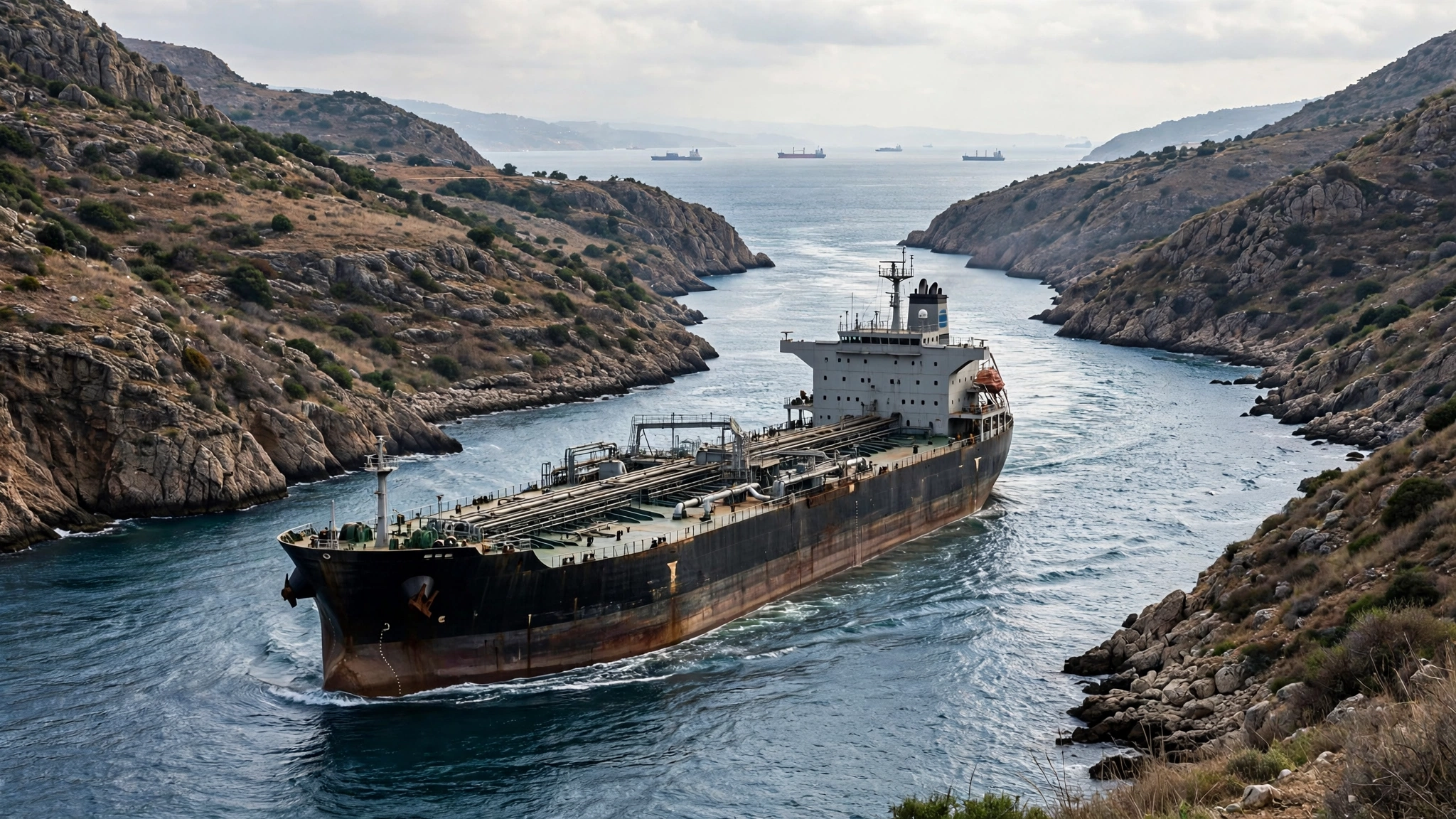
FXEmpire reported that crude slipped on Monday as the talks continued and the weekend passed without a large military clash, and that Brent had ended October at a six-month high, so part of Monday’s drop was traders taking profit after last week’s gains.
Targets exceed what most members pump
The targets tell only part of the story. AnewZ reported that the war with Iran has disrupted Gulf exports, leaving most of the seven producers pumping below their permitted levels. OPEC’s October Monthly Oil Market Report showed that countries in the wider OPEC+ agreement produced 39.07 million barrels per day in September, up about 903,000 barrels per day from August, while Brent averaged $102.02 a barrel in September, up $13.94 from August, as Middle East supply disruptions and worries over shipping routes pushed prices higher.

Freight rates for very large crude carriers traveling from the Middle East to Asia jumped 88 percent in September, according to OPEC. A World Trade Organization tracker cited by AnewZ showed the crude oil export voyage intake index for the Strait of Hormuz at zero throughout October 2026, compared with a seven-day average of 99.03 on October 31, 2025.
FXEmpire reported that the group completed the phased return of a 1.65 million barrel per day supply cut agreed in 2023 in September, while a separate layer of about 2 million barrels per day in cuts remains in place through the end of 2026. The producers are scheduled to meet again on November 29 to set production plans for 2027. For drivers, the near-term effect runs through pump prices, which follow crude costs with a lag.

Reporting based on coverage by AnewZ, Reuters and FXEmpire.